
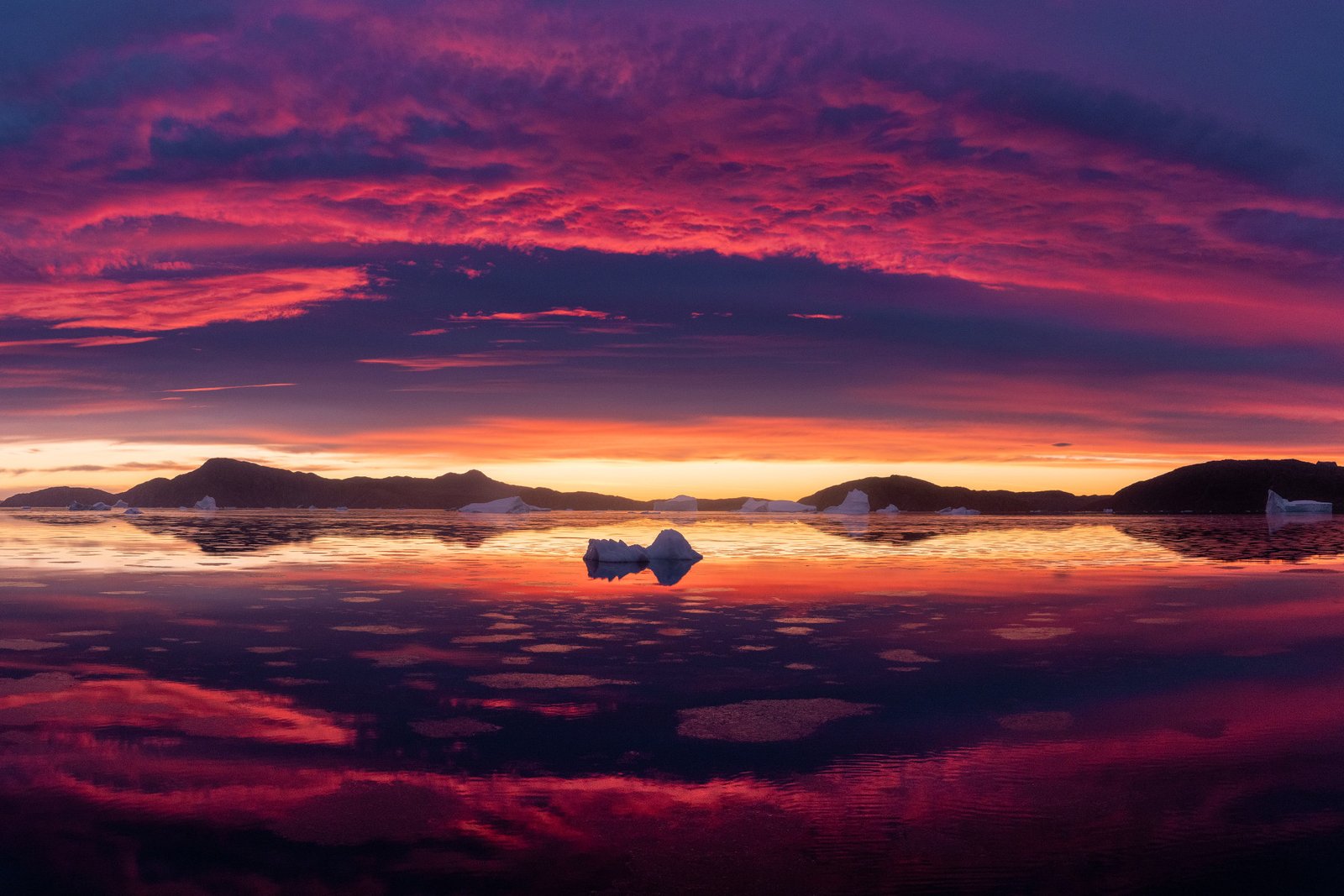
Professional Luminous Landscape Photography relies on a deep understanding of how light interacts with natural scenery. Low-light landscapes offer unique opportunities to capture mood, texture, and dramatic contrasts that are impossible in broad daylight. Photographers seeking striking imagery must combine technical precision with a keen eye for composition, balancing exposure, depth, and movement. The subtle interplay of shadows and highlights, reflections on water surfaces, and the soft glow of dawn or dusk can elevate ordinary landscapes into compelling works of art. Understanding the nuances of low-light conditions and mastering camera control allows photographers to craft images that draw viewers into a scene, evoking emotion and narrative. Developing skills in long exposure, ISO management, and lens selection ensures that landscapes retain clarity while embracing the natural ambiance of low-light environments, forming the foundation of professional luminous landscape photography.
Understanding Light and Its Impact on Landscapes
Light shapes the mood, texture, and perception of any landscape. In low-light situations, shadows become longer, colors deepen, and highlights often create points of focus. Observing the direction and intensity of light can transform a flat scene into one with dimensionality and drama. Photographers must note the color temperature at various times of the day, such as the warm hues of golden hour or the cool tones of twilight. Clouds, fog, and mist act as natural diffusers, softening harsh contrasts and adding a mystical quality to scenes. Compositions benefit from analyzing where natural light falls, creating areas of interest and guiding the viewer’s eye through the frame. Patience and timing are essential, as subtle changes in light can dramatically alter the atmosphere, turning an ordinary scene into a visually arresting low-light landscape.
Essential Camera Settings for Low-Light Photography
Precise camera settings allow photographers to maintain sharpness while capturing enough light to reveal details and textures. Managing ISO, aperture, and shutter speed is critical to reduce noise and retain clarity. Long exposures can convey motion, such as flowing water or moving clouds, while wide apertures capture available light without sacrificing depth of field. Manual focus often yields sharper results in dim conditions, as autofocus may struggle to lock onto subjects. Tripods stabilize the camera during extended exposures, preventing blur and enabling precise framing.
- Choose a low ISO to reduce noise and maintain image clarity.
- Use wide apertures to maximize light capture while controlling depth of field.
- Experiment with longer shutter speeds to create motion effects and enhance drama.
- Enable manual focus to ensure sharpness in areas of subtle detail.
Choosing the Right Equipment
Selecting suitable equipment makes low-light landscape photography more effective and enjoyable. Cameras with larger sensors perform better in low-light scenarios, preserving color and reducing digital noise. Lenses with wide maximum apertures allow more light to reach the sensor, providing flexibility with shutter speed and ISO. Tripods are indispensable for long exposures and precise compositions. Filters, such as neutral density (ND) and polarizing filters, offer control over reflections and light intensity, allowing creative effects that enhance depth and drama. Carrying extra batteries and memory cards ensures uninterrupted shooting, as low-light photography often involves extended sessions. Proper preparation and equipment awareness allow photographers to focus on composition and creative decisions rather than technical limitations.
Techniques for Capturing Mood and Drama
Low-light landscapes excel at evoking emotion when photographers employ creative techniques. Composition plays a key role, with foreground elements adding context and leading lines guiding the eye. Shadows, silhouettes, and reflections introduce mystery and dimension. Adjusting perspective and incorporating unusual angles can reveal hidden beauty in familiar locations. Experimenting with movement, such as capturing the motion of clouds, water, or wind-blown foliage, adds life and narrative. Color contrasts and tonal variations enhance visual impact, drawing attention to details that might be overlooked in brighter conditions.
- Utilize silhouettes to emphasize forms against low-light skies.
- Capture reflections in water to add depth and symmetry.
- Apply leading lines to direct the viewer’s focus through the landscape.
- Highlight textures and patterns that become prominent under limited light.
Post-Processing Strategies for Low-Light Landscapes
Editing is a vital stage to maximize the dramatic impact of low-light photography. Adjusting exposure and contrast brings out details in shadows and highlights while maintaining natural tones. Color grading enhances mood without overpowering the scene. Noise reduction preserves texture in areas of deep shadow, and sharpening can restore definition lost in long exposures. Dodging and burning techniques allow selective emphasis on key elements, adding depth and dimension. Maintaining a balance between realism and artistry ensures images remain authentic while showcasing the emotional quality of the landscape. Post-processing is most effective when subtlety is prioritized, allowing the original low-light conditions to guide creative decisions rather than dominate them.
Safety and Practical Tips for Shooting in Low Light
Outdoor low-light photography often occurs during dawn, dusk, or nighttime hours, requiring awareness of personal safety and preparedness. Scouting locations in daylight helps identify hazards and optimal angles for shots. Carrying headlamps or portable lighting ensures visibility while navigating uneven terrain. Wearing appropriate clothing for changing temperatures and weather conditions maintains comfort during extended shoots. Tripods, sturdy camera bags, and reliable footwear reduce risk and support mobility. Planning the timing of exposures allows photographers to capture fleeting moments of optimal light without compromising safety or equipment. Practical preparation complements technical skill, enabling photographers to focus on creativity while minimizing risks.
Conclusion
Mastering low-light landscape photography involves balancing technical precision with creative vision. Observing natural light, understanding camera settings, selecting appropriate equipment, and experimenting with composition and post-processing transform ordinary landscapes into dramatic, emotive works. Every low-light scenario presents unique challenges and opportunities, demanding patience, practice, and attention to detail. Combining technical knowledge with artistic intuition allows photographers to capture luminous scenes that convey depth, mood, and narrative, solidifying the essence of professional luminous landscape photography. Experimenting with these techniques encourages growth and personal expression, helping photographers consistently create compelling low-light landscapes.
FAQs
What is the best time of day for low-light landscape photography?
Golden hour and twilight offer natural soft light and vibrant color contrasts, ideal for creating dramatic effects.
Which camera settings are optimal for low-light landscapes?
Low ISO, wide aperture, and longer shutter speeds allow sufficient light capture while preserving image clarity and depth.
Can post-processing improve low-light landscape images?
Adjusting exposure, contrast, and color grading enhances mood and detail while maintaining the scene’s authenticity.
What equipment is essential for low-light landscape photography?
A camera with a large sensor, fast lenses, tripod, filters, and extra batteries ensures stability, sharpness, and creative flexibility.
