
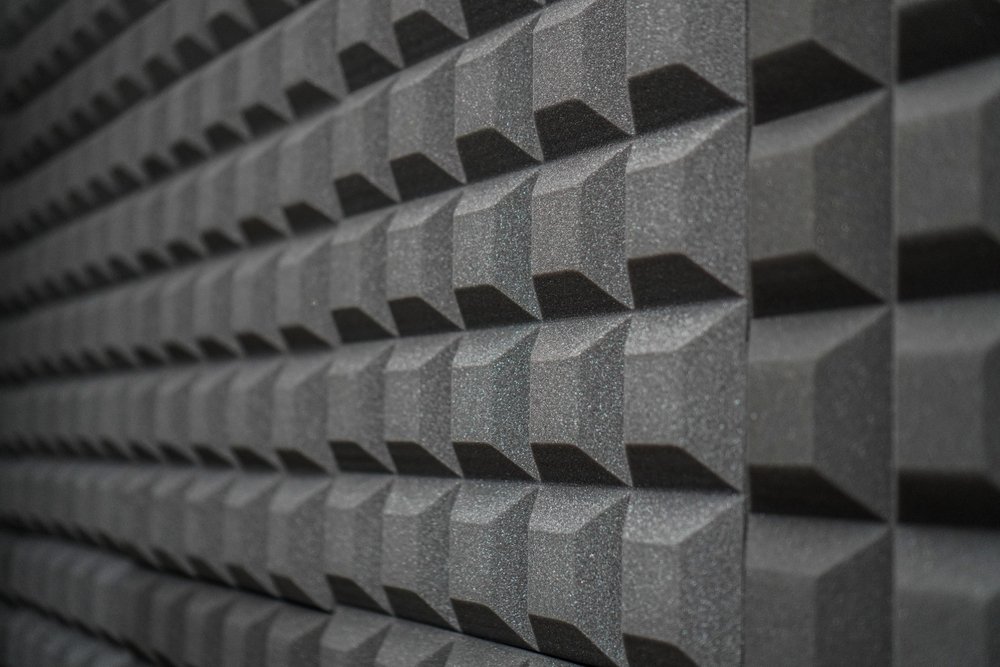
Noise is not just a background inconvenience anymore. Uncontrolled sound impacts safety, productivity, regulation compliance, and long-term operational efficiency in industrial, commercial, and built environments. That is why Acoustic Soundproofing Panels are becoming more of an indispensable infrastructure than an option.
Before investing in acoustic solutions, it is important to understand how these panels function, where they perform best, and what separates effective systems from short-term fixes. The right choice is considered not only on noise levels but also on material engineering, environmental conditions, and durability over time.
Understanding How Acoustic Soundproofing Panels Work
Acoustic soundproofing panels are made to absorb, dampen and control sound energy. When sound waves hit hard surfaces several times in an enclosed or noisy space, the result is more reverberation and louder noise overall. Acoustic panels interrupt this process by trapping sound within engineered foam structures and reducing the strength of reflected waves.
The majority of panels designed for industrial applications are made of high-density acoustic foams with carefully controlled cell structures. These internal cells absorb sound energy and convert it into low-level heat, and contribute to the reduction of airborne noise and vibration. Performance is based on factors such as foam density, thickness, surface profile, and proper placement within the space.
Vibration control is as essential as sound absorption when dealing with heavy machinery, generators, or air compressors. Panels used here must manage continuous mechanical movement without losing structural integrity.
Why Material Quality Matters More Than Thickness
A common misconception is that thicker panels automatically provide better soundproofing. In practice, material composition and density are far more important. High-density certified acoustic foams are designed to function effectively in challenging conditions.
In generator and air compressor enclosures, acoustic soundproofing panels must withstand:
- Continuous heat exposure
- Oil and chemical contact
- Mechanical vibration
- Long operating cycles
This is why compliance with standards such as UL-94 HF1, UL-94 V0, and IS 7888 is a critical factor when evaluating acoustic panels for industrial and commercial use. In enclosed or high-risk settings, certified foams provide both fire safety and acoustic performance.
Where Acoustic Soundproofing Panels are Most Effective
Understanding the source and movement of noise helps determine the right application. Acoustic soundproofing panels are used widely across several environments:
Generators and air compressors
These are among the most significant industrial noise sources. Panels must combine sound absorption and heat resistance to allow for quieter operation without restricting airflow or affecting equipment safety.
Industrial machinery zones
Acoustic panels are used on manufacturing floors and processing units to minimize long-term noise exposure, improve communication, and promote safer working conditions around heavy equipment.
Commercial buildings and offices
Acoustic soundproofing panels are used between rooms and floors to manage sound transmission, improve privacy, and enhance comfort in shared spaces.
Studios, theatres, and auditoriums
In these settings, the goal shifts from noise reduction to sound control. Panels are chosen to manage reverberation and reflections, resulting in clear and balanced acoustics.
Specialized acoustic spaces
Isolation booths and anechoic chambers need highly regulated acoustic performance, where panel precision and consistency are essential.
Looking Beyond Acoustics: Durability and Adaptability
A smart investment considers more than immediate noise reduction. Panels must perform reliably over time. Foam stability, resistance to compression, and edge durability determine whether acoustic performance lasts for years or degrades quickly.
Customization also plays a key role. Facilities differ in layout, noise sources, and operational constraints. Acoustic soundproofing panels should be available in varied densities, sizes, and profiles to address specific challenges without major structural changes.
Foam Engineering Across Industries
The principles behind acoustic foam performance extend beyond noise control. Engineered foams are used across multiple sectors where comfort, vibration control, and durability matter.
In automotive applications, automotive seat foam relies on similar material engineering principles to manage pressure, absorb vibration, and preserve form over extended periods of usage. In footwear, memory foam for shoes highlights how foam adapts to pressure points while retaining resilience and cushioning.
This cross-industry relevance highlights why deep material science expertise is important when selecting acoustic solutions. Manufacturers with extensive expertise across multiple foam applications are better able to produce reliable, performance-driven solutions.
Conclusion
The installation of acoustic soundproofing panels is a proactive measure that enhances the safety, compliance, and efficiency in both industrial and commercial areas. With a long history of material science, certified acoustic foams of UL-94 HF1, UL-94 V0, and IS 7888, and performance that is demonstrated in generators, machines, buildings, and studios, Sheela Foam provides acoustic soundproofing panels with a long history of durability and consistency. It is based on the same engineering capabilities as the automotive seat foam and memory foam that Sheela Foam has been able to leverage in providing shoes and remains a reliable vendor of high-performance foam solutions where reliability is a real requirement.
FAQs
1. What are acoustic soundproofing panels used for?
Acoustic soundproofing panels are used to absorb noise, minimize vibration, and regulate sound reflection in industrial, commercial, and acoustically sensitive environments.
2. Are acoustic soundproofing panels suitable for generator and machinery enclosures?
Yes, high-density certified acoustic panels are designed to endure heat, vibration, and severe conditions in generator and machinery enclosures.
3.How do acoustic soundproofing panels differ from traditional insulation?
Unlike basic insulation, acoustic soundproofing panels are designed to manage sound absorption and reverberation while maintaining durability and acoustic performance over time.
