
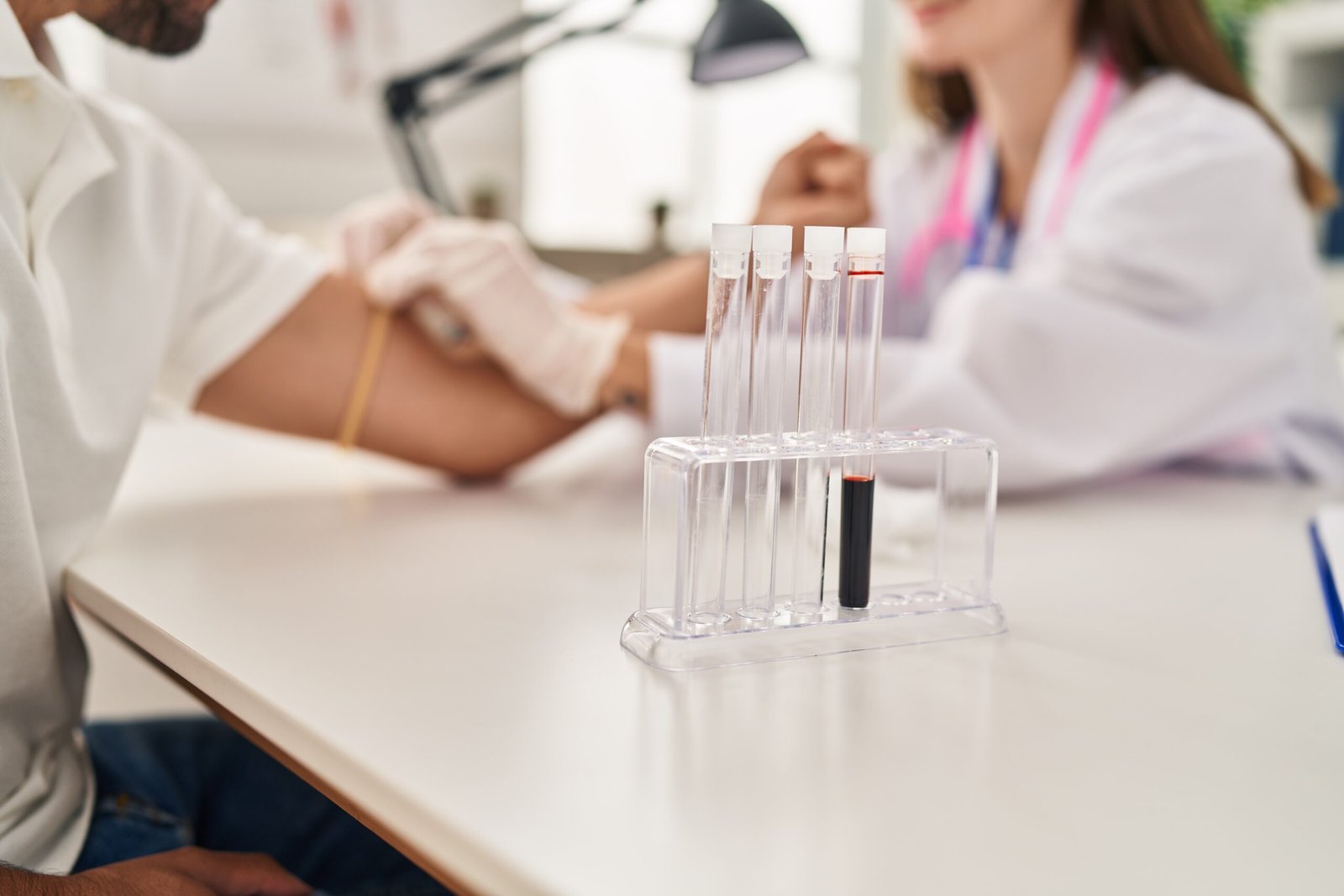
Sexual health plays an important role in overall well being today. Many people stay active without understanding the hidden risks involved. Infections can spread easily during unprotected contact between partners. Some infections show no symptoms and remain unnoticed for long periods. Therefore taking preventive steps becomes very important for long term health. Regular testing helps detect issues early and prevent serious complications. It also protects partners and supports safer relationships over time.
Sexually transmitted diseases affect millions of people across the world. Global health reports show hundreds of millions of new cases yearly. Common infections include chlamydia gonorrhea syphilis and trichomoniasis worldwide. Viral infections like HIV herpes and HPV also add to cases. In the United States millions of new infections are reported annually. However awareness about regular testing still remains lower than expected. Therefore routine testing helps close this gap and improves public health.
Understanding the Risks of Untreated STDs
Ignoring testing can lead to serious long term health complications. Chlamydia often shows no symptoms especially in many women. If untreated it may lead to infertility or serious reproductive issues. Men may develop painful conditions that affect fertility and comfort. Gonorrhea can also cause infections that spread to other body parts. In advanced stages it may lead to joint pain or heart issues.
Syphilis develops in stages and often confuses early diagnosis efforts. Early signs may look mild but the infection worsens over time. If left untreated it can damage the brain nerves and organs. HIV weakens the immune system and reduces the body ability to fight infections. HPV increases the risk of cervical cancer and other related conditions. Herpes leads to repeated outbreaks and increases the risk of transmission.
These health problems do not affect only one individual person. Pregnant individuals may pass infections to their unborn children. This can lead to serious complications or health risks for newborns. Therefore early detection plays a key role in breaking transmission cycles.
Who Needs Regular Testing and How Often
Not everyone faces the same level of risk from infections. However general guidelines help people decide when to get tested. Sexually active women under twenty five should test at least once yearly. Older women with new or multiple partners should also test regularly. Men who have sex with men may need testing every few months. Individuals living with HIV require more frequent screening for other infections.
Testing frequency depends on personal behavior and lifestyle choices. People with one stable partner may need fewer tests over time. However those with multiple partners should test every three to six months. After unprotected encounters immediate testing is often a wise decision. Most infections can be detected within a few weeks using modern methods.
Healthcare providers often adjust testing plans based on personal history. They consider age, lifestyle habits and possible exposure risks carefully. Clinics in busy urban areas may recommend more frequent testing schedules. Access to testing services has become easier and more confidential today.
The Process of STD Testing Explained
STD testing is simple, quick and usually stress free for most people. You can visit a doctor clinic or specialized health center nearby. Many clinics offer walk in services without long waiting times. A healthcare professional will first review your medical and sexual history. They ask basic questions in a respectful and non judgmental manner.
Different tests are used depending on the type of infection. Urine samples help detect infections like chlamydia and gonorrhea. Blood tests are used for HIV syphilis and some viral infections. Swabs may be taken from specific areas based on exposure risks. Some rapid tests provide results within a short period of time. Full panel tests may take a few days but cover multiple infections.
Results are shared through calls, messages or online health portals. If results are positive, treatment plans are provided quickly. Bacterial infections are treated with antibiotics and usually cured fully. Viral infections are managed with medications to control symptoms. Follow up testing ensures that treatment has worked effectively.
Benefits Beyond Detection and Treatment
Testing does more than just detect infections early in the body. It helps prevent the spread of diseases to other people. Knowing your health status allows you to make safer decisions. You can use protection or avoid contact until treatment is complete. This reduces the risk of passing infections to partners.
Testing also improves mental peace and emotional well being. Many people feel anxious when they are unsure about their health. Negative results provide relief and reduce unnecessary stress levels. Early treatment also prevents fear linked to unknown health conditions. Couples who test together often build stronger trust in relationships.
Public health also improves when more people choose regular testing. Lower infection rates reduce pressure on healthcare systems over time. Preventive programs become more effective when combined with regular screening.
Breaking Common Myths About STD Testing
Many myths still prevent people from getting tested regularly. One common belief is that no symptoms means no infection exists. In reality many infections remain silent for long periods of time. Another myth suggests testing is painful or uncomfortable for most people. However most procedures are simple and feel like routine medical tests.
Some people think testing is only needed for certain lifestyles. This idea is incorrect because risk exists in many situations. Even one unprotected encounter can lead to infection exposure. Others rely only on home testing kits for convenience. While helpful they may not detect all possible infections accurately. Professional testing provides more reliable results and proper medical guidance.
Long Term Health Strategies
Regular testing should become part of a healthy lifestyle routine. People should stay aware of their sexual health status consistently. Keeping track of partners and exposure helps manage risk effectively. Using protection methods like condoms reduces chances of infection spread. Vaccination for HPV and hepatitis also provides additional protection.
Healthy lifestyle habits also support recovery and immune strength. Balanced nutrition, regular exercise and good sleep improve overall health. Avoid sharing personal items that may carry infection risks. High risk individuals should consider regular health consultations for safety.
Communities also play an important role in spreading awareness. Education programs help people understand prevention and testing importance. Access to affordable testing services improves participation rates significantly.
Final Thoughts
Regular STD testing is an essential part of preventive healthcare today. It helps detect hidden infections and prevent serious complications later. It also supports healthier relationships and reduces transmission risks. Waiting for symptoms is not a safe or effective approach.
Taking control of your sexual health is a responsible decision. Regular testing ensures safety for both you and your partners. With better awareness and simple actions long term health outcomes improve. Therefore make testing a routine step in your overall wellness plan.
