
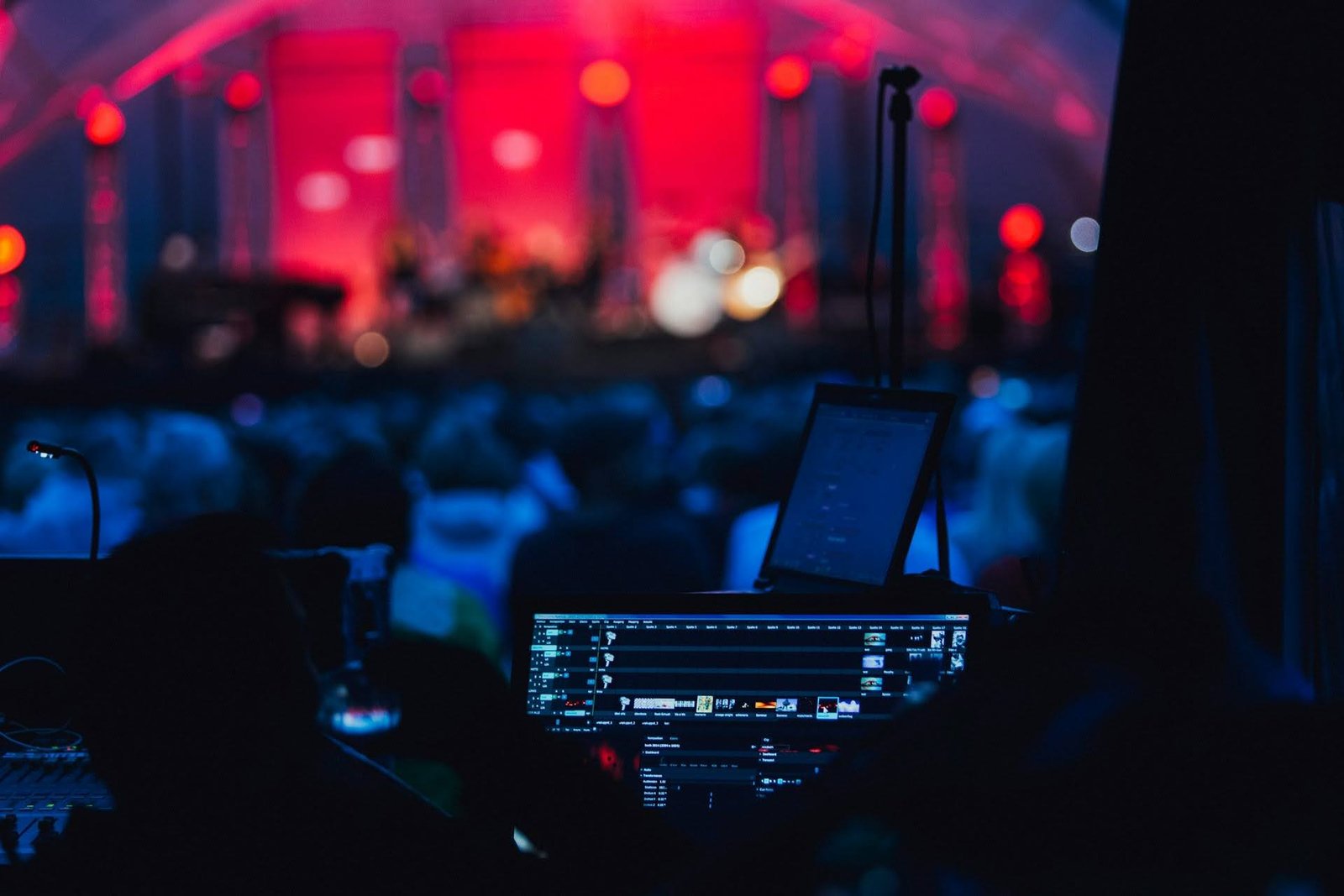
Corporate events are more than just the overall look and the way people network. It’s also about catering to the audience’s expectations on interactive engagement, digital experience, and professional production for the duration of the event.
Whether you’re hiring corporate event planners or have an in-house organiser, it’s important to make sure that the technology essential for the event is all present.
In this article, we’ll discuss the technology tools you need for corporate events.
1. Reliable High-Speed Internet
One of the most important things you should secure nowadays when organising corporate events is having a reliable internet connection. This is especially important if the event format is hybrid since you need to stay connected with various stakeholders, including your audience, partners, and investors.
Of course, the larger the event is, the higher the required bandwidth should be. Unfortunately, if it’s lower, it might interrupt live presentations, and streaming might not be possible.
2. Event Registration and Ticketing Platforms
Nowadays, event registrations are easier than before, due to digital registration systems. It usually includes QR code check-ins, online ticket sales, automated confirmations, attendee tracking, real-time attendance monitoring, and data collection.
When there’s the right ticking platform and automated event registration, the attendees won’t feel the burden to register. At the same time, advance registration can help you track possible errors and resolve them right away.
3. Mobile Event Apps
When it comes to corporate events, there are various mobile apps you can use to ensure attendee engagement and improved communication. At the same time, these apps can also provide venue maps, schedules, networking features, speaker profiles, Q&A tools, and live polls. You just need to inform the attendees and other stakeholders about the app you’re using, so that they can also receive the latest updates about the event.
4. Professional Audio-Visual Equipment
Other things you should keep in mind when organising corporate events are audio-visual components. They’re essential, especially since there are presenters, music, speakers, and audience engagement.
Some of the specific equipment you need that’s under AV include projectors or LED screens, mixers, speakers, microphones, amplifiers, video playback systems, presentation switchers, and stage lighting.
5. Live Streaming and Hybrid Event Technology
As mentioned, many corporate events are now hosting hybrid event formats, which is why you should also have the tools and equipment to make it possible. These are also essential even if you’re hosting a pure online event. Some of the things you need to prepare include streaming platforms, camera setups, virtual attendee portals, remote presentation tools, and live chat moderation.
6. Audience Engagement Tools
No matter the event format, interaction with the attendees is important. Some of the tools you need to prepare include Q&A platforms, live polling, quizzes, gamification features, and real-time feedback.
If the attendees can interact with the hosts and speakers, the more insightful the event can be. At the same time, you can ensure that your future events will gain more attention.
7. Digital Signage and Interactive Displays
Digital signage and interactive displays are also gaining attention nowadays. They’re usually used for sponsor messaging, event schedules, room directions, welcome displays, and session updates. At the same time, interactive screens help in grabbing the attention of the audience. When looking for such tools, you can coordinate with corporate event planners, since most of them are knowledgeable about these things.
8. Presentation and Collaboration Software
Nowadays, presentations rely more on collaboration software and digital tools. Which is why you should also ensure that you have screen-sharing tools, presentation software, video conferencing tools, virtual whiteboards, and collaboration apps.
If you’re using EMS or event management software, you can ensure that there’s centralised handling of budget, timelines, documentation, tasks, and vendors, especially if you’re handling huge corporate events.
9. Event Security Technology
Another thing you should secure when planning the technological tools and equipment for corporate events is the security system to protect the staff, attendees, and sensitive event data. In doing so, you can include surveillance cameras, QR codes, RFIDs, cybersecurity measures, a secure payment process, and credential verification tools.
10. Charging Stations and Power Solutions
Nowadays, corporate event attendees rely more on technology, which includes tablets, smartphones, laptops, internet connections, charging solutions, and other wireless connections. These tools can significantly help make sure that there’ll be no interruptions with the entire experience of everyone involved in the event.
11. Backup and Redundancy Systems
Regardless of how well-planned the event is, you can still encounter technical issues, especially since it’s one of the event elements that often encounters challenges. So, ensure that there are backup plans for power supply, internet connection, audio-visual equipment, streaming platforms, and presentation files (have an online and offline copy).
12. Data Analytics and Reporting Tools
As a part of modern event technology, you should also secure reporting tools and data analytics. These tools can help in gaining valuable insights and measuring performance, so that you can make the necessary adjustments during the current event and for future events of your company.
13. Contactless Technology
Another element of modern corporate events includes contactless solutions. Usually, it includes digital payments, mobile check-in, NFC tools, and touchless badge scanning. When it comes to NFC tools, you can use event apps that are connected to wristbands, so that you can update transactions by just scanning the wristbands.
Final Thoughts
If you’re aiming for a successful corporate event, keep in mind that technology plays a vital role. Besides, in organising modern events, many technological tools and equipment are necessary to ensure that your event succeeds. By making sure that these tools are incorporated in the planning process.
