

These questions matter more than you might think. Many Australians assume that passing a vision screening means their eyes are perfectly healthy. Unfortunately, this isn’t always the case. Vision screenings and comprehensive eye exam serve very different purp
oses, and understanding this distinction could make a significant difference to your long-term eye health. A screening might tell you that you can read letters on a chart, but it won’t reveal the full picture of what’s happening inside your eyes.
In this article, we’ll break down everything you need to know about both types of assessments. You’ll discover what happens during each one, who performs them, and why relying solely on screenings could mean missing serious conditions. Whether you’re a parent concerned about your child’s eyesight or an adult who hasn’t visited an optometrist in years, this guide will help you make informed decisions about protecting your vision.
What Is a Vision Screening?
A vision screening is essentially a quick pass or fail test designed to identify people who might need further evaluation. Think of it as a basic checkpoint rather than a thorough investigation into your eye health.
How Vision Screenings Work
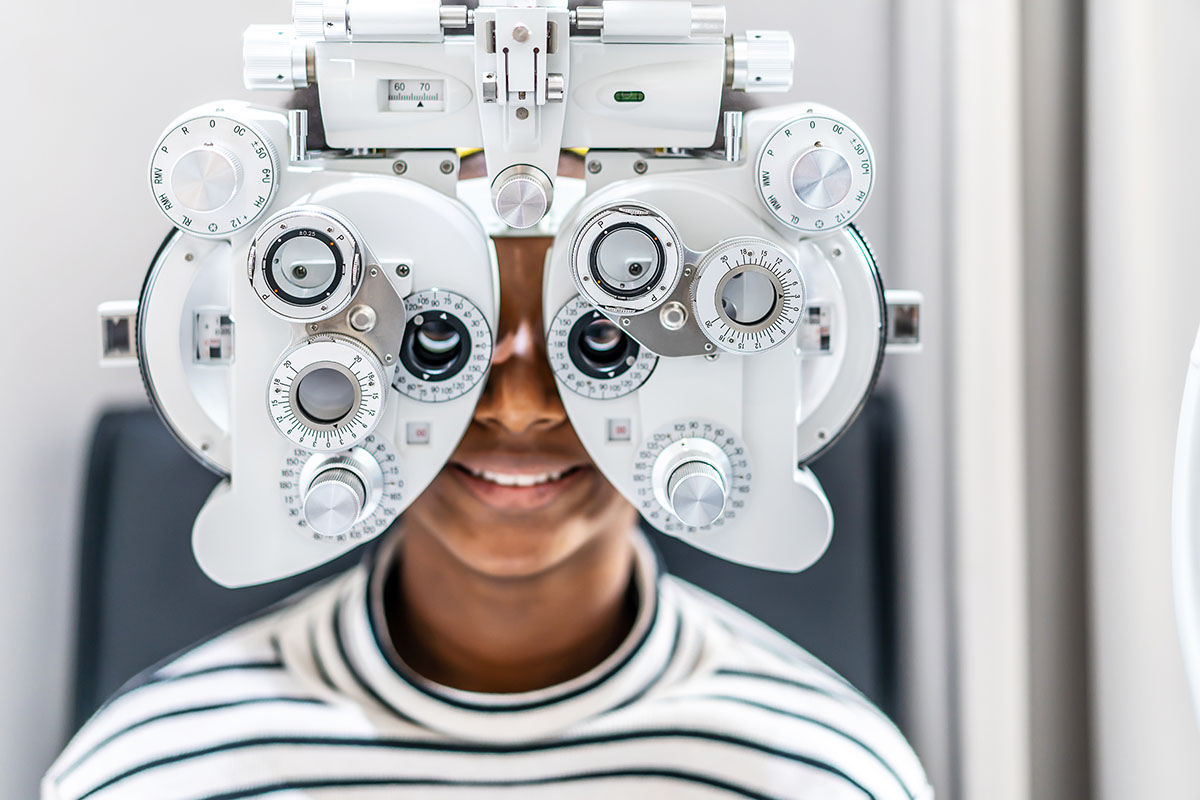
Vision screenings typically involve reading letters or shapes from a distance chart. You’ve probably experienced this at some point standing a few metres away and calling out increasingly smaller letters. For young children, picture based charts or simple matching games are often used instead. The whole process usually takes just a few minutes.
Where Are Vision Screenings Conducted?
These basic checks pop up in various settings across Australia. Schools commonly conduct them for students, and you might encounter them at your local pharmacy, during a driver’s licence renewal, or as part of a general health check-up at work. They’re convenient and accessible, which is their main advantage.
What Can a Vision Screening Detect?
Screenings can flag obvious issues like significant short-sightedness or long-sightedness. They’re quite good at picking up on visual acuity problems—basically, how clearly you can see at certain distances.
Limitations of Vision Screenings
Here’s where it gets tricky. Vision screenings only assess a tiny fraction of your overall eye health. They don’t examine the internal structures of your eye, check for diseases like glaucoma or macular degeneration, or evaluate how well your eyes work together. Someone could pass a screening with flying colours while having a serious underlying condition developing undetected.
What Is a Comprehensive Eye Exam?
A comprehensive eye exam is a completely different experience. It’s a thorough assessment of your entire visual system and eye health, conducted by a qualified professional.
What Happens During an Eye Exam?
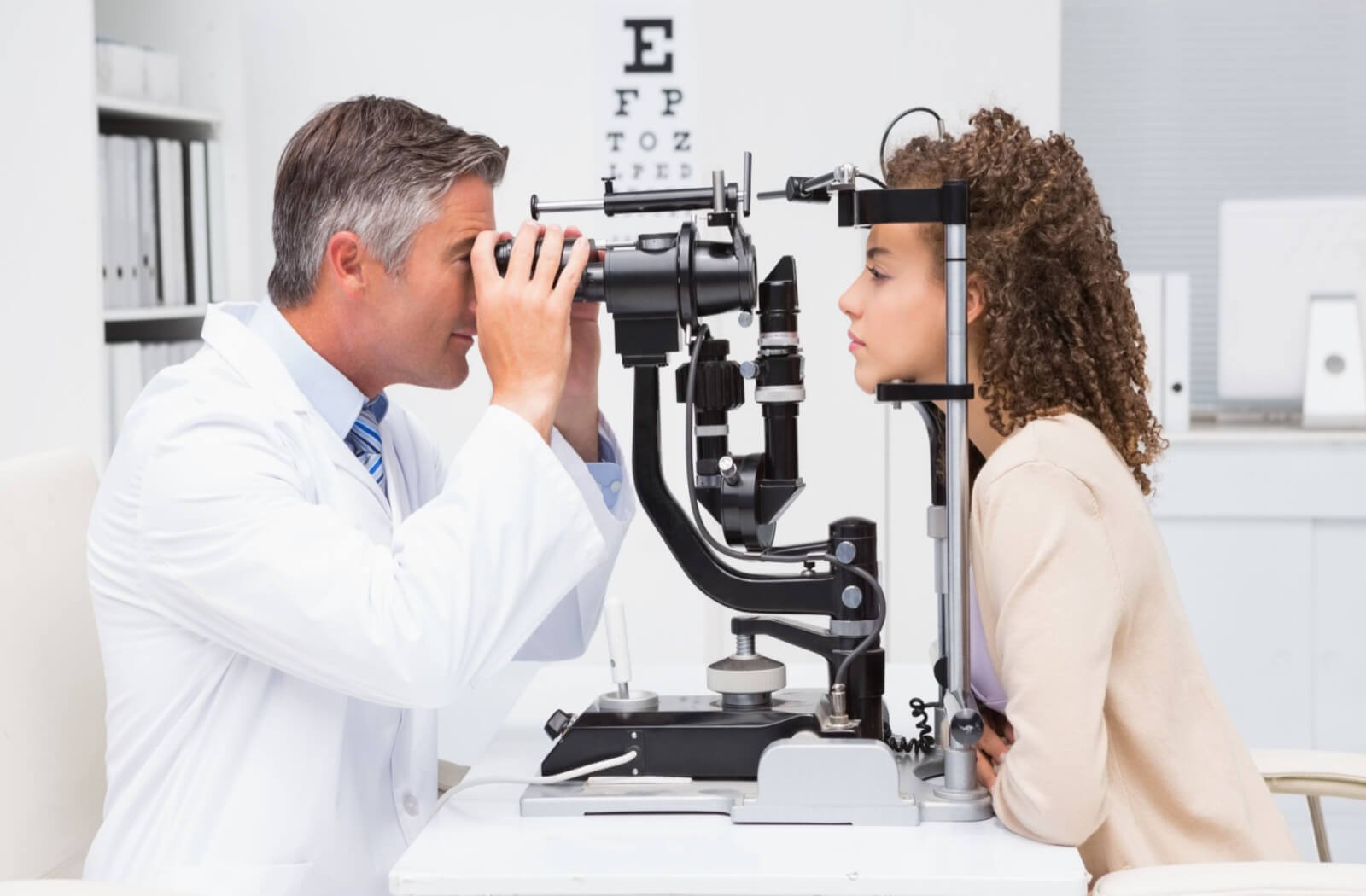
During a full exam, your optometrist or ophthalmologist will check far more than just how well you read a chart. They’ll examine your eye pressure, look at the health of your retina, assess your peripheral vision, and evaluate how your eyes focus and move together. Many exams include dilating your pupils to get a better view of the internal structures.
Who Performs Eye Exam?
Only qualified eye exam professionals optometrists or ophthalmologists perform comprehensive exams. In Australia, optometrists complete at least five years of university training, while ophthalmologists are medical doctors with additional specialist training in eye surgery and disease.
What Conditions Can an Eye Exam Diagnose?
The list is extensive. Full exams can detect glaucoma, cataracts, macular degeneration, diabetic retinopathy, and even signs of high blood pressure or diabetes. Early detection of these conditions can be genuinely life-changing, as many cause irreversible damage if left untreated.
Eye Exam vs Vision Screening: Key Differences Explained
Understanding the specific differences helps clarify why one shouldn’t replace the other.
Depth of Assessment
A screening provides surface-level information about your visual acuity. An exam digs deep into every aspect of your eye health, from the front surface to the back of your eye. It’s the difference between glancing at a car’s exterior versus popping the bonnet and checking every component.
Equipment and Technology Used
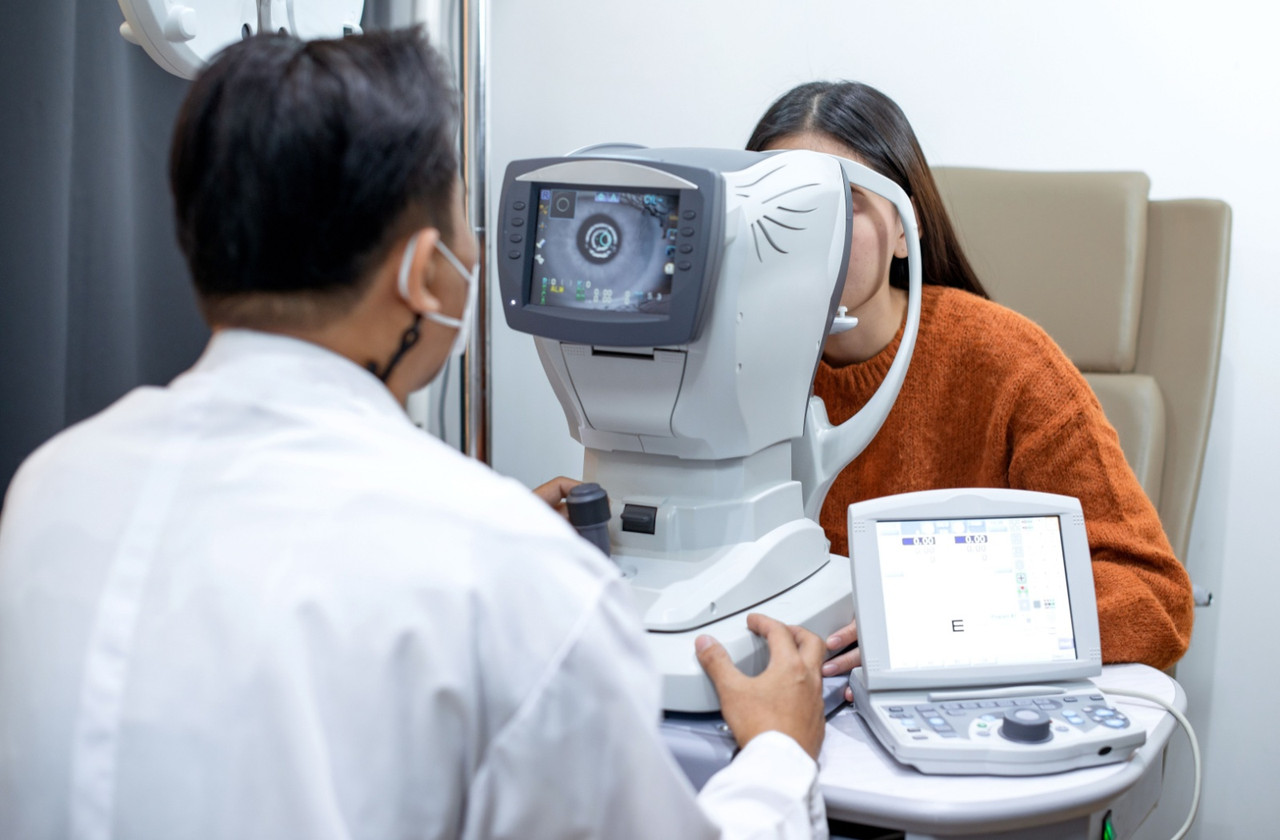
Screenings typically use basic charts and perhaps a simple autorefractor. Comprehensive exams employ sophisticated equipment including slit lamps, tonometers for pressure measurement, retinal cameras, and visual field testing machines. This technology allows professionals to spot subtle changes that could indicate developing problems.
Time and Cost Comparison
A screening takes minutes and is often free. A comprehensive exam typically lasts 20-45 minutes and involves a fee, though many are bulk-billed through Medicare in Australia. The investment of time and money pays off through proper disease detection and accurate prescriptions.
Qualifications of the Examiner
Vision screenings might be conducted by nurses, teachers, or trained volunteers. Eye exam are always performed by registered optometrists or ophthalmologists with extensive clinical training.
Is a Vision Screening Enough for My Child?
In short, no. While school screenings serve a useful purpose in flagging obvious issues, they shouldn’t replace regular comprehensive exams. Children’s eyes develop rapidly, and conditions like amblyopia (lazy eye) or strabismus (misaligned eyes) need early intervention for the best outcomes. The Australian Optometry Association recommends children have their first eye exam before starting school.
Can You Pass a Vision Screening but Still Need Glasses?
Absolutely, yes. This happens more often than you’d expect. Vision screenings typically test distance vision, so someone with reading difficulties or mild astigmatism might sail through. You could also pass while having focusing problems that cause headaches or eye strain during close work. Only a comprehensive exam provides accurate prescription information.
How Often Should You Get a Comprehensive Eye Exam?
Recommended Frequency for Children
Children should have their eyes examined at around three years old, again before starting school, and then every two to three years unless issues arise. Your optometrist will advise on the appropriate schedule based on your child’s specific needs.
Recommended Frequency for Adults
Adults aged 18-64 without known eye conditions should aim for an exam every two years. Those over 65 benefit from annual check-ups, as age-related conditions become more common. If you wear contact lenses, annual exams are essential.
When to Schedule an Eye Exam Sooner
Don’t wait for your routine appointment if you experience sudden vision changes, persistent headaches, eye pain, flashes of light, or new floaters. These symptoms warrant prompt professional attention.
Do I Need an Eye Exam If My Vision Seems Fine?
Yes, you do. Many serious eye conditions develop without obvious symptoms in their early stages. Glaucoma is often called the silent thief of sight because it can cause significant damage before you notice anything wrong. Regular exams catch these conditions when treatment is most effective.
What Eye Problems Can Go Undetected Without a Full Eye Exam?
The list is concerning. Glaucoma, early stage cataracts, macular degeneration, diabetic retinopathy, retinal detachment, and eye tumours can all develop silently. Additionally, your eyes can reveal signs of systemic health conditions like diabetes, high blood pressure, and even certain autoimmune diseases conditions you might not know you have.
Choosing Between an Optometrist and Ophthalmologist
For routine exams and general eye care, an optometrist is your first port of call. They can prescribe glasses, fit contact lenses, detect diseases, and treat many conditions. Ophthalmologists are typically needed for surgery, complex diseases, or conditions requiring specialist medical intervention. Your optometrist will refer you to an ophthalmologist if necessary.
Conclusion
So what’s the takeaway from all this? Vision screenings have their place they’re quick, accessible, and can flag obvious problems. However, they’re simply not designed to replace comprehensive eye exam. Relying solely on screenings is a bit like checking your car’s oil level but never servicing the engine. You might catch some issues, but you’ll miss plenty of important ones.
Your eyes deserve proper professional attention on a regular basis. The conditions that comprehensive exams detect glaucoma, macular degeneration, diabetic changes are often treatable when caught early but can cause permanent vision loss if ignored. The time and cost involved in regular exams pale in comparison to the potential consequences of undetected eye disease.
Make a commitment to your eye health today. If it’s been more than two years since your last comprehensive exam, book an appointment with an optometrist. If your children haven’t had a proper eye check, schedule one before the next school term. Your vision is precious, and taking these simple steps could protect it for years to come. After all, there’s nothing quite like seeing the world clearly.
