

Author

zoehsewell

Browsing

These questions matter more than you might think. Many Australians assume that passing a vision screening means their eyes are perfectly healthy. Unfortunately, this isn’t always the case. Vision screenings and comprehensive eye exam serve very different purp

oses, and understanding this distinction could make a significant difference to your long-term eye health. A screening might tell you that you can read letters on a chart, but it won’t reveal the full picture of what’s happening inside your eyes.

In this article, we’ll break down everything you need to know about both types of assessments. You’ll discover what happens during each one, who performs them, and why relying solely on screenings could mean missing serious conditions. Whether you’re a parent concerned about your child’s eyesight or an adult who hasn’t visited an optometrist in years, this guide will help you make informed decisions about protecting your vision.

What Is a Vision Screening?

A vision screening is essentially a quick pass or fail test designed to identify people who might need further evaluation. Think of it as a basic checkpoint rather than a thorough investigation into your eye health.
How Vision Screenings Work

Vision screenings typically involve reading letters or shapes from a distance chart. You’ve probably experienced this at some point standing a few metres away and calling out increasingly smaller letters. For young children, picture  based charts or simple matching games are often used instead. The whole process usually takes just a few minutes.

Where Are Vision Screenings Conducted?

These basic checks pop up in various settings across Australia. Schools commonly conduct them for students, and you might encounter them at your local pharmacy, during a driver’s licence renewal, or as part of a general health check-up at work. They’re convenient and accessible, which is their main advantage.

What Can a Vision Screening Detect?

Screenings can flag obvious issues like significant short-sightedness or long-sightedness. They’re quite good at picking up on visual acuity problems—basically, how clearly you can see at certain distances.

Limitations of Vision Screenings

Here’s where it gets tricky. Vision screenings only assess a tiny fraction of your overall eye health. They don’t examine the internal structures of your eye, check for diseases like glaucoma or macular degeneration, or evaluate how well your eyes work together. Someone could pass a screening with flying colours while having a serious underlying condition developing undetected.

What Is a Comprehensive Eye Exam?

A comprehensive eye exam is a completely different experience. It’s a thorough assessment of your entire visual system and eye health, conducted by a qualified professional.

What Happens During an Eye Exam?

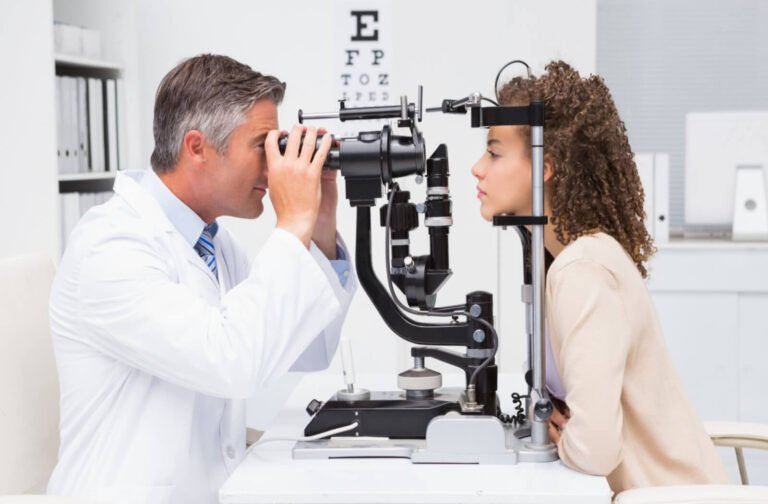
During a full exam, your optometrist or ophthalmologist will check far more than just how well you read a chart. They’ll examine your eye pressure, look at the health of your retina, assess your peripheral vision, and evaluate how your eyes focus and move together. Many exams include dilating your pupils to get a better view of the internal structures.

Who Performs Eye Exam?

Only qualified eye exam professionals optometrists or ophthalmologists perform comprehensive exams. In Australia, optometrists complete at least five years of university training, while ophthalmologists are medical doctors with additional specialist training in eye surgery and disease.

What Conditions Can an Eye Exam Diagnose?

The list is extensive. Full exams can detect glaucoma, cataracts, macular degeneration, diabetic retinopathy, and even signs of high blood pressure or diabetes. Early detection of these conditions can be genuinely life-changing, as many cause irreversible damage if left untreated.

Eye Exam vs Vision Screening: Key Differences Explained

Understanding the specific differences helps clarify why one shouldn’t replace the other.

Depth of Assessment

A screening provides surface-level information about your visual acuity. An exam digs deep into every aspect of your eye health, from the front surface to the back of your eye. It’s the difference between glancing at a car’s exterior versus popping the bonnet and checking every component.

Equipment and Technology Used

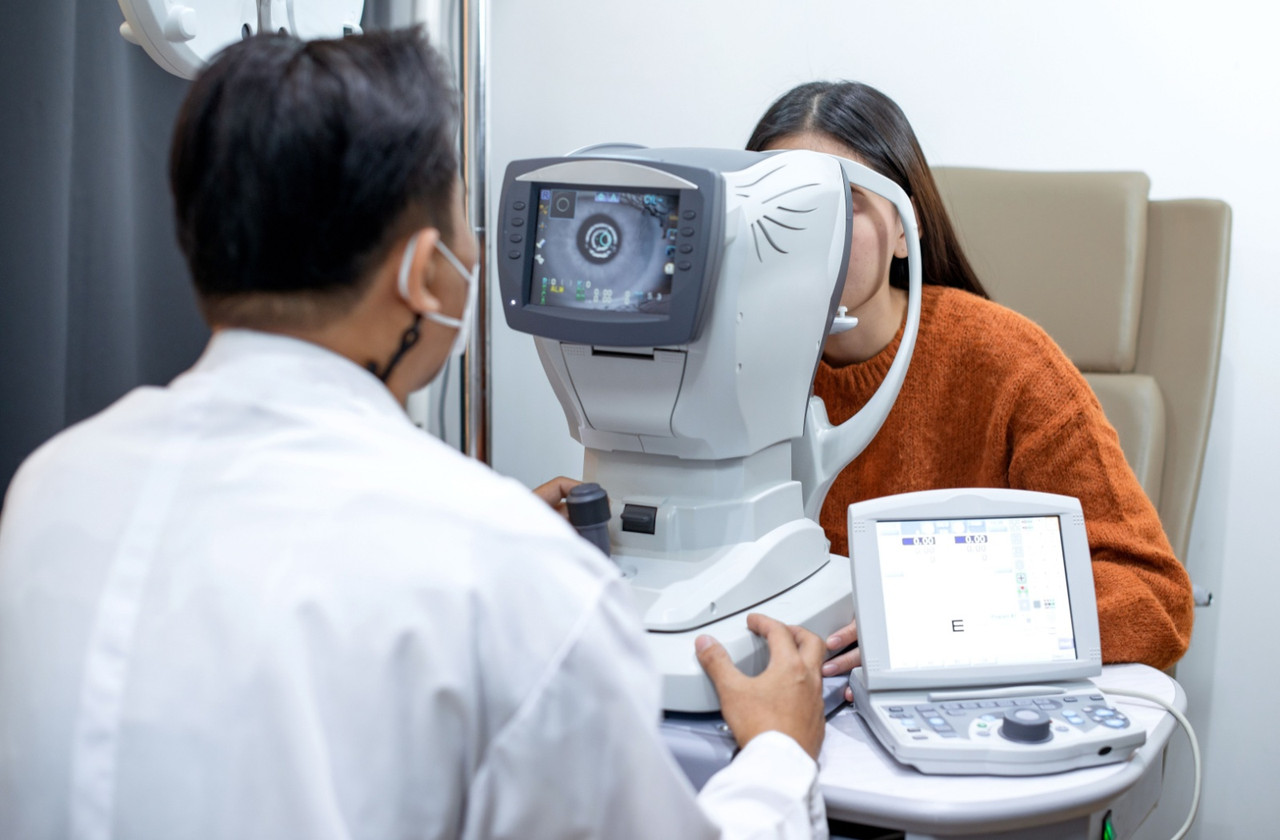
Screenings typically use basic charts and perhaps a simple autorefractor. Comprehensive exams employ sophisticated equipment including slit lamps, tonometers for pressure measurement, retinal cameras, and visual field testing machines. This technology allows professionals to spot subtle changes that could indicate developing problems.

Time and Cost Comparison

A screening takes minutes and is often free. A comprehensive exam typically lasts 20-45 minutes and involves a fee, though many are bulk-billed through Medicare in Australia. The investment of time and money pays off through proper disease detection and accurate prescriptions.

Qualifications of the Examiner

Vision screenings might be conducted by nurses, teachers, or trained volunteers. Eye exam are always performed by registered optometrists or ophthalmologists with extensive clinical training.

Is a Vision Screening Enough for My Child?

In short, no. While school screenings serve a useful purpose in flagging obvious issues, they shouldn’t replace regular comprehensive exams. Children’s eyes develop rapidly, and conditions like amblyopia (lazy eye) or strabismus (misaligned eyes) need early intervention for the best outcomes. The Australian Optometry Association recommends children have their first eye exam before starting school.

Can You Pass a Vision Screening but Still Need Glasses?

Absolutely, yes. This happens more often than you’d expect. Vision screenings typically test distance vision, so someone with reading difficulties or mild astigmatism might sail through. You could also pass while having focusing problems that cause headaches or eye strain during close work. Only a comprehensive exam provides accurate prescription information.
How Often Should You Get a Comprehensive Eye Exam?

Recommended Frequency for Children

Children should have their eyes examined at around three years old, again before starting school, and then every two to three years unless issues arise. Your optometrist will advise on the appropriate schedule based on your child’s specific needs.

Recommended Frequency for Adults

Adults aged 18-64 without known eye conditions should aim for an exam every two years. Those over 65 benefit from annual check-ups, as age-related conditions become more common. If you wear contact lenses, annual exams are essential.

When to Schedule an Eye Exam Sooner

Don’t wait for your routine appointment if you experience sudden vision changes, persistent headaches, eye pain, flashes of light, or new floaters. These symptoms warrant prompt professional attention.

Do I Need an Eye Exam If My Vision Seems Fine?

Yes, you do. Many serious eye conditions develop without obvious symptoms in their early stages. Glaucoma is often called the silent thief of sight because it can cause significant damage before you notice anything wrong. Regular exams catch these conditions when treatment is most effective.

What Eye Problems Can Go Undetected Without a Full Eye Exam?

The list is concerning. Glaucoma, early stage cataracts, macular degeneration, diabetic retinopathy, retinal detachment, and eye tumours can all develop silently. Additionally, your eyes can reveal signs of systemic health conditions like diabetes, high blood pressure, and even certain autoimmune diseases conditions you might not know you have.

Choosing Between an Optometrist and Ophthalmologist

For routine exams and general eye care, an optometrist is your first port of call. They can prescribe glasses, fit contact lenses, detect diseases, and treat many conditions. Ophthalmologists are typically needed for surgery, complex diseases, or conditions requiring specialist medical intervention. Your optometrist will refer you to an ophthalmologist if necessary.

Conclusion

So what’s the takeaway from all this? Vision screenings have their place they’re quick, accessible, and can flag obvious problems. However, they’re simply not designed to replace comprehensive eye exam. Relying solely on screenings is a bit like checking your car’s oil level but never servicing the engine. You might catch some issues, but you’ll miss plenty of important ones.

Your eyes deserve proper professional attention on a regular basis. The conditions that comprehensive exams detect glaucoma, macular degeneration, diabetic changes are often treatable when caught early but can cause permanent vision loss if ignored. The time and cost involved in regular exams pale in comparison to the potential consequences of undetected eye disease.

Make a commitment to your eye health today. If it’s been more than two years since your last comprehensive exam, book an appointment with an optometrist. If your children haven’t had a proper eye check, schedule one before the next school term. Your vision is precious, and taking these simple steps could protect it for years to come. After all, there’s nothing quite like seeing the world clearly.

An eye test is one of the most important steps you can take to protect your vision and overall eye health. Many people ignore early signs of vision problems, which can lead to more serious complications over time. Scheduling a regular eye test ensures that any issues are detected early and treated effectively. Whether you are experiencing blurred vision or simply due for a check-up, an eye test provides valuable insights into your eye health and helps maintain clear vision for years to come.

What Is an Eye Test?

An eye test is a comprehensive examination performed by an eye care professional to assess your vision and check for any underlying eye conditions. During an eye test, various tests are conducted to measure visual acuity, eye coordination, and overall eye health.

A standard eye test may include checking your ability to read letters on a chart, evaluating how well your eyes focus, and examining the internal and external structures of your eyes. Regular eye test appointments are essential for identifying issues such as refractive errors, eye strain, and early signs of diseases.

Importance of Regular Eye Test

Early Detection of Eye Conditions

One of the biggest advantages of scheduling an eye test is early detection. Many eye conditions, such as glaucoma, cataracts, and macular degeneration, develop gradually without noticeable symptoms. A timely eye test can identify these issues before they worsen.

By detecting problems early, an eye test allows for prompt treatment and better outcomes. Regular eye test visits can prevent long-term vision loss and ensure your eyes remain healthy.

Accurate Vision Correction

If you experience blurred vision, headaches, or difficulty focusing, an eye test can determine the exact cause. Refractive errors like nearsightedness, farsightedness, and astigmatism are common issues that can be corrected with glasses or contact lenses.

An accurate eye test ensures that your prescription is up to date. Wearing the correct lenses improves clarity, reduces eye strain, and enhances your overall quality of life.

Monitoring Overall Eye Health

An eye test does more than just check your vision—it also evaluates the health of your eyes. Eye care professionals examine the retina, optic nerve, and blood vessels to detect signs of disease.

Regular eye test appointments can even reveal underlying health conditions such as diabetes or high blood pressure. This makes an eye test an essential part of your overall healthcare routine.

What to Expect During an Eye Test

Vision Assessment

During an eye test, your visual acuity is measured using an eye chart. This helps determine how clearly you can see objects at various distances. The results of this eye test guide your prescription if corrective lenses are needed.

Refraction Test

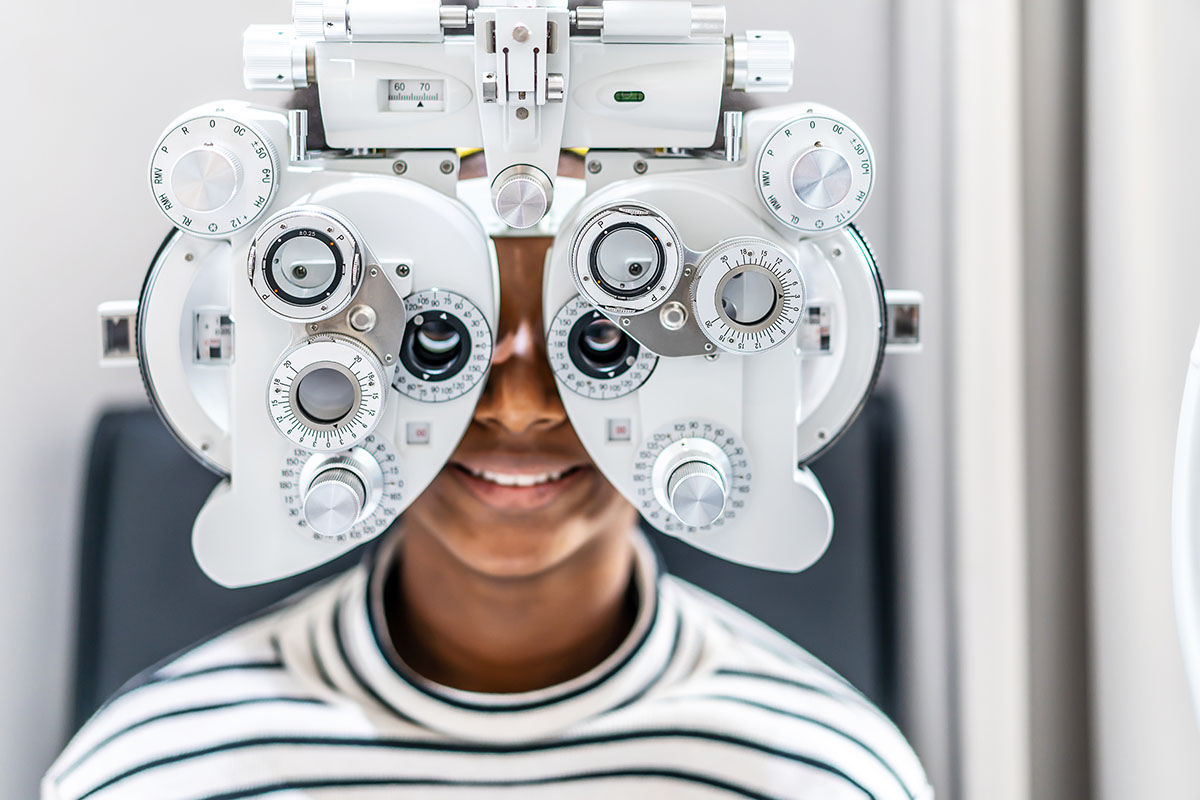
A refraction test is a key part of any eye test. It helps determine the exact lens power required to correct your vision. By trying different lens combinations, the eye care professional identifies the best option for you.

Eye Health Examination

An in-depth examination of your eye structures is also included in an eye test. This may involve using specialized equipment to check for abnormalities or signs of disease. A thorough eye test ensures that any issues are detected early and managed effectively.

Benefits of Booking an Eye Test Today

Prevents Vision Loss

Regular eye test appointments play a crucial role in preventing vision loss. Early detection and treatment of eye conditions can significantly reduce the risk of permanent damage. By prioritizing your eye test, you safeguard your long-term vision.

Reduces Eye Strain

In today’s digital world, prolonged screen time can lead to eye strain and discomfort. An eye test helps identify the causes of strain and provides solutions such as corrective lenses or lifestyle adjustments. Scheduling an eye test can greatly improve your comfort and productivity.

Improves Daily Performance

Clear vision is essential for daily tasks such as reading, driving, and working. An up-to-date eye test ensures that your eyes are functioning at their best. With improved vision, you can perform tasks more efficiently and confidently.

Who Should Get an Eye Test?

Children

Children should undergo regular eye test examinations to ensure proper vision development. Early detection of vision problems can improve learning and overall development.

Adults

Adults should schedule an eye test every one to two years, depending on their needs. Regular eye test visits help maintain good vision and detect age-related changes.

Seniors

Older adults are at a higher risk of eye conditions, making regular eye test appointments even more important. Frequent eye test check-ups help manage age-related issues and preserve vision.

Tips for Maintaining Eye Health Between Eye Test Visits

Follow a Healthy Diet

A balanced diet rich in vitamins and minerals supports eye health. While an eye test is essential, maintaining proper nutrition helps keep your eyes strong.

Take Screen Breaks

Reducing screen time and taking regular breaks can minimize eye strain. Even with regular eye test appointments, it is important to practice healthy habits.

Wear Protective Eyewear

Using protective eyewear during activities can prevent injuries. Combining safety measures with routine eye test visits ensures comprehensive eye care.

Conclusion

Booking an eye test today is a simple yet powerful step toward maintaining clear vision and overall eye health. From early detection of conditions to accurate vision correction, an eye test offers numerous benefits for people of all ages. Regular eye test appointments not only improve your eyesight but also contribute to your overall wellbeing.

Don’t wait for symptoms to appear—schedule your eye test and take control of your eye health. With consistent care and timely check-ups, you can enjoy better vision and a higher quality of life for years to come.

Finding the right behavioral optometry specialist can feel overwhelming, especially when you’re not entirely sure what sets them apart from regular optometrists. The good news is that with the right guidance, you can find a practitioner who’ll address not just how clearly you see, but how efficiently your entire visual system works.

This comprehensive guide will walk you through everything you need to know about behavioural optometry. You’ll learn how to identify when you might benefit from this specialised approach, what qualifications to look for, and which questions to ask during consultations. We’ll also explore treatment options, help you spot potential red flags, and provide a practical checklist to make your final decision with confidence.

Understanding Behavioral Optometry

behavioral optometry takes a holistic approach to vision care that goes well beyond checking whether you need glasses. While traditional optometry focuses primarily on visual acuity (how clearly you can see), behavioral optometry examines how your entire visual system functions as you interact with your environment. Think of it as the difference between checking if a car’s engine runs versus evaluating how well the entire vehicle performs on the road.

This specialised field recognises that vision involves much more than just the eyes. It encompasses how your brain processes visual information, how your eyes work together as a team, and how visual skills integrate with other sensory systems. Behavioural optometrists look at factors like eye tracking, focusing flexibility, depth perception, and visual-motor integration – skills that are crucial for reading, learning, and everyday activities.

Signs You or Your Child May Benefit from a Behavioral Optometry

Recognising when to seek help from a behavioural optometrist isn’t always straightforward. Many signs of visual dysfunction can masquerade as other issues, particularly in children who might be labelled as having attention problems or learning difficulties. If your child frequently loses their place while reading, skips words or entire lines, or complains that text appears to move on the page, these could indicate underlying visual processing issues rather than comprehension problems.

Physical symptoms often provide important clues as well. Regular headaches during or after visual tasks, excessive eye rubbing, closing one eye while reading, or tilting the head at unusual angles can all signal that the visual system is working harder than it should. You might notice your child holding books extremely close to their face or sitting unusually near to the television. Adults aren’t immune either – if you find yourself experiencing frequent eye strain at work, difficulty switching focus between distances, or persistent neck and shoulder tension, a behavioral optometry assessment could reveal surprising connections.

How to Research and Compare Behavioral Optometrists

Finding the right behavioral optometry specialist requires thoughtful research beyond simply choosing the closest clinic. Start your search by checking the ACBO website for registered practitioners in Melbourne, as this ensures you’re considering properly qualified professionals. Online reviews and testimonials can provide valuable insights, but remember to look for detailed feedback about specific conditions or treatments rather than just general satisfaction ratings.

Personal recommendations often prove invaluable when selecting healthcare providers. Talk to teachers, occupational therapists, or other healthcare professionals who work with vision-related issues – they often have first-hand experience with local behavioural optometrists. Parent groups and educational support networks can also be excellent sources of recommendations, particularly if you’re seeking help for a child with learning difficulties.

What to Expect During a Behavioral Optometry Assessment

A behavioral optometry assessment differs significantly from a standard eye examination, typically lasting between 60 to 90 minutes. The extended timeframe allows for a thorough evaluation of not just visual acuity, but the entire visual system’s functionality. Your optometrist will begin with a detailed history, asking about visual symptoms, general health, developmental milestones (for children), and how vision impacts daily activities. This conversation helps them understand your unique visual demands and challenges.

Understanding Treatment Options and Vision Therapy Programmes

Treatment in behavioral optometry extends far beyond prescribing glasses or contact lenses. While corrective lenses might form part of the solution, they’re often just one component of a comprehensive treatment plan. Vision therapy programmes are individually designed to address specific visual deficits through a series of exercises and activities. These programmes work like physiotherapy for your visual system, gradually building stronger and more efficient visual skills.

Behavioral Optometry

Red Flags to Avoid When Choosing a Practitioner

While most behavioural optometrists maintain high professional standards, being aware of potential red flags helps protect you from inadequate care. Be cautious of practitioners who promise unrealistic outcomes or claim their methods can cure conditions beyond the scope of vision care. behavioral optometry can significantly improve visual function, but it’s not a miracle cure for all learning or developmental challenges. Legitimate practitioners will be honest about what vision therapy can and cannot achieve.

While behavioral optometry services typically cost more than standard eye care due to their comprehensive nature, be cautious of practitioners who demand large upfront payments for extended programmes without clear treatment plans. Legitimate practitioners should provide transparent fee structures, realistic treatment timelines, and regular progress reviews. They should also be willing to communicate with other healthcare providers involved in your care.

Conclusion

Finding the right behavioral optometry specialist oesn’t have to be an overwhelming process. By understanding what behavioral optometry offers and knowing what to look for in a practitioner, you’re already well-equipped to make an informed decision. Remember that this specialised approach to vision care addresses much more than just visual clarity – it’s about optimising how your entire visual system functions in daily life.

The key points to remember including checking for proper qualifications and ACBO membership, asking thorough questions during consultations, and being aware of both positive indicators and red flags. Take time to research your options, compare different practitioners, and trust your instincts about who feels like the right fit. Whether you’re seeking help for a child struggling with learning, dealing with workplace visual stress, or recovering from a brain injury, the right behavioral optometry can make a significant difference.

Your vision impacts virtually every aspect of your daily life, from work and education to sports and leisure activities. Investing time in finding the right specialist is an investment in your overall quality of life. Don’t settle for ongoing visual discomfort or accept that certain visual challenges are unchangeable. With the right behavioral optometry support, you might be surprised at how much your visual function can improve. Take that first step today – your eyes and brain will thank you for it.


Ever lodged in the cozy corner of your room, engrossed in an alluring novel, just to find your eyes straining as the clock ticks on? Or perhaps the relentless hours spent glaring at your screen has made your eyes tired and teary? Can these symptoms be thwarted? Could there be a more holistic approach to visual well-being? Cue in behavioral optometry – a distinct practice in vision care to provide answers to these questions.

Behavioral optometry surges past the conventional methods and augments an extended field of vision care. This method intricately appraises the connection between your eyes and brain, pinpointing a matrix of factors that can determine your visual acuity. The substance of this blog post unfolds the mystic practices of behavioral optometry and how it can bolster your eyesight.

Diving into this stimulating topic, we will decode the various techniques used in behavioral optometry. We’ll explore what it is, the underlying principles, contemporary methods, the pros and cons, and real-world implications. Let’s embark on this fascinating journey together.

What is Behavioral Optometry?

To comprehend behavioral optometry, we must first disentangle the basic conception underpinning this system. Behavioral optometry ventures beyond mere clear eyesight, encapsulating a broader vision functionality and efficiency. This comprehensive practice aims at optimizing the way your eyes receive and interpret images.

Not just a standalone methodology, behavioral optometry is a cocktail of psychological, neurological, and optical disciplines. It surveys the relation between an individual’s visual system and their day-to-day activities, recognizing that vision does not operate in isolation.

Presenting a holistic approach, behavioral optometry embraces techniques to facilitate visual perception, eye-tracking, and hand-eye synchronization, thus ensuring complete visual wellness.

Techniques Employed in Behavioral Optometry

An array of cognitive and physical techniques converges in the arena of behavioral optometry. It predominantly focuses on visual exercises aimed at improving the brain-eye coordination while simultaneously strengthening the eye muscles.

Visual Gymnastics, also known as eye, exercises, plays an instrumental part in this program. These exercises build up the flexibility and endurance of eye movements, whereas tasks like pencil push-ups, and convergence exercises cater to near vision difficulties.

Integrating technology, the interactive metronome technique uses rhythmic exercises to improve cognitive processing speed, attention, and coordination. Biofeedback, another significant method, harvests physiological data to enhance self-regulation and promote healthier, more productive visual habits.

The “Why” of Behavioral Optometry

Why step aside from traditional optometry and navigate towards behavioral sciences? The answer lies in the manifestation of modern work-culture which has led to a surge in vision-related predicaments.

Behavioral optometry does not just house the proximate cause of the visual problem but rather probes into the remote context as well. It provides an all-encompassing remedy, calculating the visual system’s functionality in concurrent physical, visual and psychological scenarios.

There’s also a proactive virtue in the practice of behavioral optometry. Regular check-ups and preventive practices even in the absence of significant problems can steer clear of future visual derailment.

Pros and Cons

With any unconventional approach, there arises the inevitable conversation of advantages and shortcomings. Behavioral optometry likewise presents its own set of pros and cons.

On the positive front, behavioral optometry’s wide-ranging holistic approach and its focus on eye-brain cooperation furnish comprehensive patient care. Yet a downside emanates from a lack of scientific endorsement with some critics claiming its benefits to be merely placebo-induced.

Moreover, as behavioral optometry veers off the standardized path, there’s a scarcity of well-trained behavioral optometrists. Another downside is its cost – depending on the extent of the therapy, the expenses can mount higher than traditional optometry.

Real-World Implications

Daily tasks, be it reading, driving, or using digital devices, can impose a significant strain on our eyes. This is where behavioral optometry techniques come into real-world relevance.

Children with learning difficulties can particularly benefit from these techniques. The link between vision and learning is substantial; hence an incremental upgrade in visual abilities can foster academic success.

behavioral optometry

Similarly, for adults who work for prolonged periods at visual tasks, behavioral optometry can prove to be a boon. The techniques can offset eye fatigue, enhance visual focus, and thus improve overall productivity.

Conclusion

In conclusion, behavioral optometry presents a novel vista into vision care. Its essence reverberates through the amalgamation of various disciplines to provide a more holistic intervention for our visual needs.

While there are quite a few debates concerning its efficacy, its burgeoning acceptance can’t be overlooked. As vision holds an undeniable dominance in our daily activities, the broad-based techniques of behavioral optometry offer a beacon of hope, particularly for those dealing with modern visual challenges.

In this digital age, nurturing our visual health is a paramount obligation that we owe to ourselves, and a dive into the world of behavioral optometry could be the fresh perspective we are lacking. This broader outlook on optical well-being lets us fathom that seeing is stressful, but with behavioral optometry, it doesn’t always have to be. So let’s open our eyes not only to see but also to perceive.

Maintaining clear vision and healthy eyes is essential for everyday life. From reading and working to driving and enjoying hobbies, your eyes play a vital role in how you experience the world. An Eye Test is one of the most effective ways to ensure your vision remains sharp and your eyes stay healthy. Regular Eye Test appointments help detect problems early, provide accurate prescriptions, and support overall wellbeing.

What Is an Eye Test?

An Eye Test is a comprehensive examination conducted by an eye care professional to evaluate your vision and check for any eye-related issues. During an Eye Test, various assessments are performed to measure visual clarity, eye coordination, and eye health.

A standard Eye Test includes reading from an eye chart, testing your focus, and examining the internal structures of your eyes. By scheduling a routine Eye Test, you can ensure that any changes in your vision are identified and managed promptly.

 Importance of Regular Eye Test

Early Detection of Eye Conditions

One of the most important reasons to schedule an Eye Test is early detection. Many eye diseases, such as glaucoma, cataracts, and macular degeneration, develop slowly and may not show symptoms in the early stages.

A regular Eye Test allows eye care professionals to identify these conditions before they worsen. Early diagnosis through an Eye Test can prevent serious complications and protect your long-term vision.

Accurate Vision Correction

If you experience blurred vision, headaches, or difficulty focusing, an Eye Test can help determine the cause. Refractive errors like nearsightedness, farsightedness, and astigmatism are common and can be corrected with the right prescription.

An up-to-date Eye Test ensures that your glasses or contact lenses match your current vision needs. This not only improves clarity but also reduces eye strain and discomfort.

Monitoring Overall Eye Health

An Eye Test does more than just check how well you can see. It also evaluates the health of your eyes, including the retina, optic nerve, and blood vessels.

Regular Eye Test visits can even reveal signs of underlying health conditions such as diabetes or high blood pressure. This makes an Eye Test an important part of your overall health routine.

 Benefits of Getting an Eye Test

Prevents Vision Loss

Routine Eye Test appointments play a key role in preventing vision loss. Detecting and treating issues early can significantly reduce the risk of permanent damage.

By making an Eye Test a regular habit, you can protect your eyesight and maintain clear vision for years to come.

Reduces Eye Strain

In today’s digital age, many people spend long hours looking at screens. This can lead to eye strain, dryness, and discomfort.

An Eye Test helps identify the causes of eye strain and provides solutions such as corrective lenses or lifestyle changes. Regular Eye Test check-ups can improve comfort and productivity.

Enhances Daily Performance

Clear vision is essential for performing everyday tasks efficiently. Whether you are reading, working, or driving, good eyesight makes a significant difference.

An Eye Test ensures that your vision is at its best, allowing you to carry out daily activities with confidence and ease.


What Happens During an Eye Test?

Visual Acuity Test

During an Eye Test, you will be asked to read letters from a chart to assess how clearly you can see at different distances. This helps determine if you need corrective lenses.

Refraction Assessment

A refraction test is an important part of an Eye Test. It helps identify the correct lens prescription by testing different lens options.

Eye Health Examination

An Eye Test also includes a detailed examination of your eye structures. Specialized equipment is used to check for signs of disease or abnormalities.

 Who Should Get an Eye Test?

Children

Children should have regular Eye Test appointments to ensure proper vision development. Early detection of issues can improve learning and overall growth.

Adults

Adults should schedule an Eye Test every one to two years. Regular Eye Test visits help maintain clear vision and detect age-related changes.

Seniors

Older adults are more prone to eye conditions, making frequent Eye Test check-ups essential. Regular monitoring through an Eye Test helps preserve vision and manage age-related issues.

 Tips for Maintaining Eye Health

Follow a Healthy Lifestyle

A balanced diet rich in vitamins and minerals supports eye health. While an Eye Test is essential, maintaining a healthy lifestyle also plays a key role.

Take Breaks from Screens

Reducing screen time and taking regular breaks can help prevent eye strain. Even with routine Eye Test visits, healthy habits are important.

Wear Protective Eyewear

Using protective eyewear during activities can prevent injuries. Combining safety measures with regular Eye Test appointments ensures complete eye care.

Conclusion

An Eye Test is essential for maintaining clear vision and overall eye health. From early detection of conditions to accurate vision correction, a regular Eye Test offers numerous benefits for people of all ages.

By making time for routine Eye Test appointments, you can protect your eyesight, improve your quality of life, and prevent serious eye problems. Don’t wait for symptoms to appear—schedule your Eye Test today and take a proactive step toward better vision and long-term eye health.