
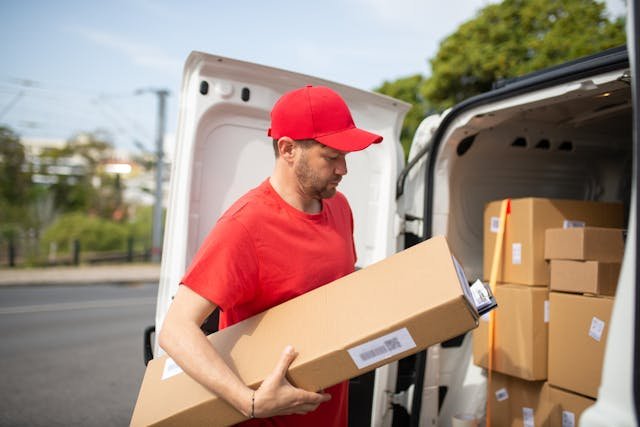
The transportation of furniture and other heavy pieces is not just dropping a small package at someone’s front door. It involves planning, strength, coordination and a lot of patience. It is a different story whether you are an independent contractor or a full-time delivery driver; dealing with a large and bulky item presents a different challenge.
Learning about these issues can allow companies to work more efficiently and assist drivers with facing the facts of the profession.
The Physical Demands
Physical strain is one of the biggest problems in furniture and heavy-goods delivery. Sofas, fridges, washing machines, and solid wood tables are not only heavy. They are clumsy to hold and hard to navigate through narrow corridors.
A delivery driver may face:
- Narrow staircases
- Small elevators
- Tight door frames
- Long apartment hallways
- Uneven outdoor walkways
A 250-pound couch requires a lot of effort to get up three flights of stairs, even with dollies and lifting straps. The danger of injury is great in the absence of proper lifting techniques. Common strains of the back, pulled muscles and injuries of the joints are a normal occurrence in this line of work.
These risks are minimised by companies investing in training and the right equipment, but the physical aspect of the job cannot be eliminated.
Access and Entry Issues
These are the conditions that are commonly beyond the control of the driver in large-item delivery. Customers can reside in buildings that are aged and lack lifts. There are homes with steep driveways or a lack of parking. In urban areas, the problem of double parking can be inevitable, which causes stress and time loss.
A delivery operator may approach with an easy drop-off on the ground floor, only to be surprised by obstacles he or she had not anticipated. There are times when the furniture does not even make it through the doorway. In such instances, the team might be required to take away doors, break down the object or delay the delivery.
These problems can be overcome through clear communication before delivery, yet there are always surprises.
Risk of Property Damage
In the transportation of heavy goods, any slight error can be disastrous. Dented walls, scratched hardwood floors, and broken bannisters can become high-cost claims.
In the view of the company, damage impacts reputation and profit. On the side of the delivery driver, it pressures each movement. Drivers should strike a balance between speed and caution. Going too slowly impacts scheduling, whereas rushing heightens the chances of error.
Safety equipment like floor runners, corner guards and padding are aids, but they should be handled with care.
Time Constraints and Scheduling
Delivering heavy goods is time-consuming in comparison to a normal parcel drop. Each stop may involve:
- Carrying items inside
- Assembling furniture
- Installing appliances
- Removing packaging
- Hauling away old items
Individual deliveries may require between 30 minutes and two hours. When a single job is delayed, it may slow down the whole day.
Traffic provides an additional source of uncertainty. A delivery driver in the city needs to consider congestion, small loading areas, and parking areas. Delays can occur frequently, and customers can get frustrated when delivery windows are not met.
Team Coordination
In comparison to small parcel delivery, heavy goods applications may necessitate the use of two individuals. Team coordination is imperative. Both should raise together, share a message effectively, and foresee each other.
Lack of teamwork poses a risk of injury and damage. Good communication abilities are as essential as physical strength. A properly coordinated team will transport a sectional sofa to the affected area. Even smaller items would not work with a poorly coordinated one.
Weather Challenges
Furniture and appliance deliveries occur throughout the year. It is that drivers work in rain, snow, heat and heavy humidity.
Slick conditions make surfaces wet. Fall risk is augmented by snow and ice. When the day requires the need to carry uplifted heavy goods, exhaustion may occur due to high heat.
What is also weather-influenced is the item itself. Wood furniture could be sensitive to moisture. Handling of electronics should be done with utmost care at high temperatures. Delivery teams should exercise extra care to secure themselves and the products.
Customer Expectations
Furniture or appliance customers are usually making big purchases. Emotions can run high. They expect:
- On-time arrival
- Professional behavior
- Careful handling
- Quick assembly
- Clean removal of packaging
When something is wrong, frustration occurs soon. A delivery driver is not only doing physical work, but also a representative of the company’s brand. Professionalism, effective communication, and composure are equally important as physical ability.
Establishing correct delivery timeframes and pre-verifying details can also be used to manage expectations.
Equipment Limitations
Although dollies, lift gates, and straps make the task easier, they do not eliminate all the issues. Equipment is not permitted in all buildings. Narrow spaces may restrict manoeuvres. In certain situations, goods have to be transported by hand.
Another problem is vehicle space. Trucks should also be loaded in a manner that they do not move during transportation. Ineffective load balancing may lead to destruction or pose safety risks along the road.
Safety and Liability Issues
Delivery of heavy items is more liable than normal shipping. Damaged goods, property claims, and injuries are costly within a short time.
A delivery driver should take safety measures:
- Proper lifting posture
- Securing loads correctly
- Using protective gear
- Checking installation procedures.
Organisations with safety training are more likely to report fewer accidents and improved performance in the long term.
Final Thoughts
The work of delivering furniture and heavy goods is hard. It is a blend of physical power, problem-solving, teamwork, and customer service. Each delivery has new variables, such as narrow staircases or fluctuating weather.
To every delivery driver in this field, everything is preparation. The difference between a stressful job and a smooth job is the use of proper equipment, effective communication and focus on detail.
The challenges are present, but so are the rewards. Heavy goods delivery is often highly paid in comparison to regular parcel routes and may offer consistent and reliable employment. Drivers can overcome these challenges and succeed in their careers in this challenging but necessary industry with the right attitude and help.
