

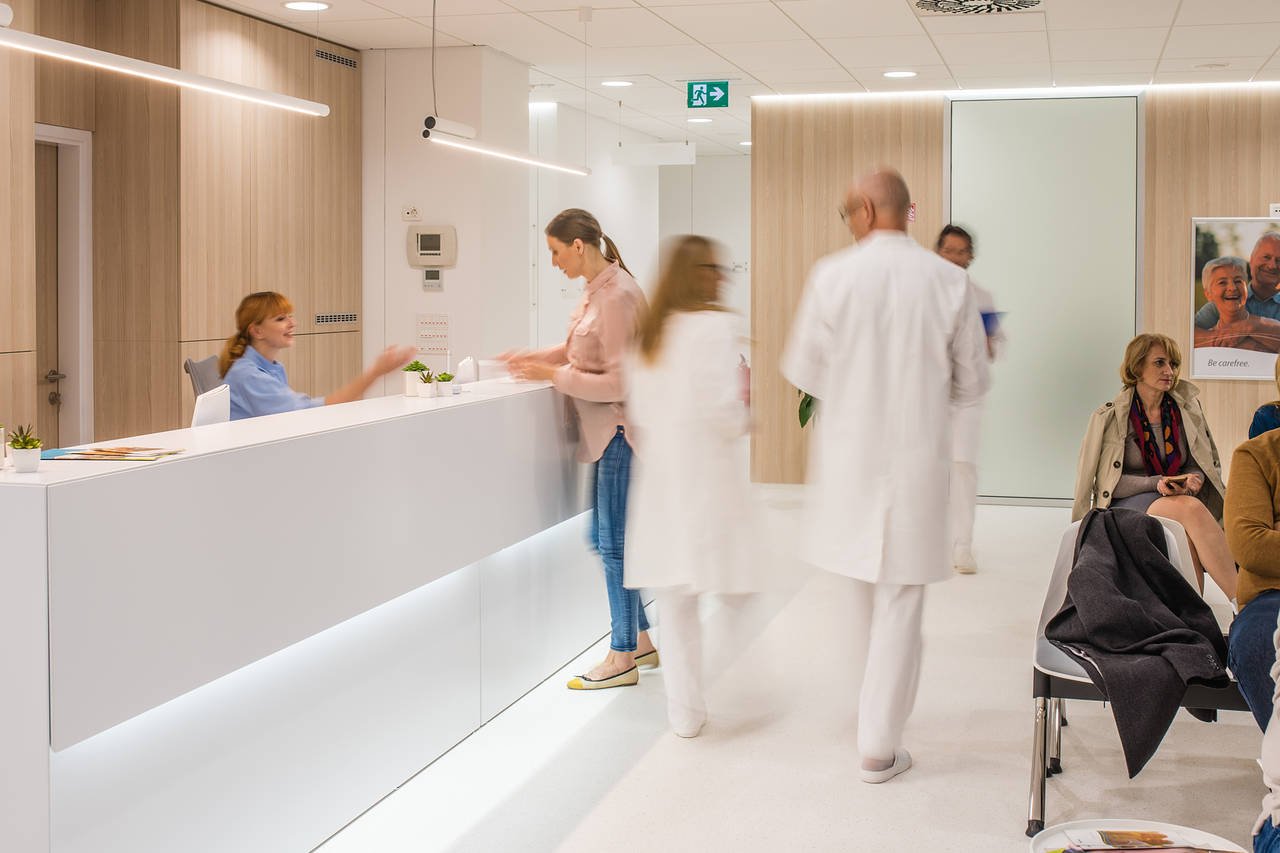
When you or a loved one suddenly needs medical attention, speed and reliability become the top priorities. Many patients today are searching for a healthcare provider that delivers both quality care and quick service. This is where a first care clinic stands out as a practical solution. At First Care Family Clinic, patients experience a healthcare approach that focuses on timely treatment without compromising on professional standards. From minor illnesses to preventive services, having access to fast and dependable care can make a significant difference in overall well-being.
Understanding the Role of a First Care Clinic
A first care clinic is designed to provide immediate medical attention for non-life-threatening conditions. Unlike traditional appointments that may take days to schedule, these clinics are structured to offer quick access to healthcare services. Patients can walk in with common health concerns and receive timely evaluation, diagnosis, and treatment.
This model is especially beneficial for individuals with busy schedules or families who need quick solutions without long waiting times. Instead of delaying care or rushing to emergency rooms for minor issues, patients can rely on a first care clinic for efficient and affordable services.
Why Speed Matters in Modern Healthcare
In today’s fast-paced world, delaying treatment can lead to complications. Minor conditions, when ignored, may worsen over time and require more intensive care. Quick access to healthcare allows patients to address symptoms early, preventing unnecessary discomfort and long-term issues.
Speed is not just about saving time it is also about improving outcomes. Early diagnosis often leads to simpler treatments and faster recovery. Clinics that prioritize efficiency ensure that patients receive care when they need it most, reducing stress and uncertainty.
Services You Can Expect from a First Care Clinic
A reliable first care clinic offers a wide range of services that cover everyday medical needs. These services are designed to address both immediate concerns and preventive care, ensuring patients stay healthy in the long run.
- Treatment for Common Illnesses
Patients frequently visit clinics for conditions like colds, flu, infections, or minor injuries. Quick diagnosis and treatment help reduce symptoms and prevent the condition from worsening. - Minor Injury Care
Cuts, sprains, and small fractures require immediate attention. Clinics provide proper cleaning, bandaging, and stabilization to support healing and avoid complications. - Diagnostic Services
Basic lab tests and screenings are often available on-site. This allows for faster diagnosis and ensures patients receive accurate treatment without unnecessary delays. - Preventive Healthcare
Regular check-ups, vaccinations, and health screenings help detect issues early and maintain long-term wellness.
Benefits of Choosing a First Care Clinic
Choosing the right healthcare provider can significantly impact your experience and outcomes. A first care clinic offers several advantages that make it a preferred option for many patients.
- Convenience and Accessibility
With walk-in availability and flexible hours, patients can receive care without scheduling long appointments. This is especially helpful for working individuals and families. - Cost-Effective Care
Compared to emergency rooms, clinics provide more affordable services for non-emergency conditions, making healthcare accessible to more people. - Shorter Waiting Times
Efficient systems ensure patients are seen quickly, reducing the frustration of long waits often experienced in hospitals. - Comprehensive Care Approach
From diagnosis to treatment and follow-up, clinics provide a complete healthcare experience under one roof.
How First Care Clinics Maintain Quality
Speed does not mean compromising on quality. Reputable clinics maintain high standards by employing experienced medical professionals and using modern equipment. Each patient is evaluated thoroughly, ensuring accurate diagnosis and effective treatment.
Additionally, clinics follow strict hygiene protocols and evidence-based practices to ensure patient safety. By combining efficiency with expertise, they deliver care that meets both medical and patient expectations.
The Importance of Patient-Centered Care
A key feature of a successful first care clinic is its focus on the patient experience. This means listening to concerns, explaining treatment options clearly, and ensuring patients feel comfortable throughout the visit.
When patients feel heard and respected, they are more likely to follow treatment plans and maintain better health habits. Patient-centered care builds trust and encourages long-term relationships between healthcare providers and the community.
When to Visit a First Care Clinic
Understanding when to choose a clinic instead of an emergency room is important. First care clinics are ideal for non-life-threatening conditions that still require prompt attention. These include mild infections, minor injuries, allergies, and routine health concerns.
However, in cases of severe symptoms such as chest pain, difficulty breathing, or major trauma, emergency services should always be the first choice. Knowing the difference ensures patients receive the right level of care at the right time.
Building Trust Through Consistency
Consistency is a major factor in healthcare satisfaction. Patients prefer clinics where they receive reliable care every time they visit. This includes accurate diagnosis, effective treatment, and a supportive environment.
Over time, this consistency builds trust and confidence. Patients feel reassured knowing they have a dependable place to turn to whenever a health issue arises.
How Technology Enhances Speed and Efficiency
Modern clinics use technology to improve both speed and accuracy. Electronic medical records, digital prescriptions, and online check-in systems streamline the entire process.
These tools not only reduce waiting times but also ensure better communication between patients and healthcare providers. As a result, patients receive faster, more coordinated care that meets their needs effectively.
Conclusion
Finding healthcare that is both fast and reliable is essential in today’s world. A well-equipped first care clinic offers the perfect balance of speed, affordability, and quality care. From treating minor illnesses to providing preventive services, these clinics play a vital role in maintaining community health. At First Care Family Clinic, patients benefit from a trusted environment where their medical needs are addressed promptly and professionally. Choosing the right clinic ensures peace of mind, knowing that help is always available when it matters most.
FAQs
1. What is a first care clinic?
A first care clinic provides quick medical treatment for non-emergency conditions without the need for long appointments.
2. Can a first care clinic handle minor injuries?
Yes, clinics are equipped to treat cuts, sprains, and other minor injuries effectively.
3. Is visiting a clinic faster than going to a hospital?
In most cases, clinics offer shorter waiting times for non-emergency issues.
4. Are services at a first care clinic affordable?
Yes, clinics are generally more cost-effective compared to emergency room visits.
5. When should I avoid a clinic and go to the ER?
Severe conditions like chest pain, breathing difficulty, or major injuries require emergency care.
