

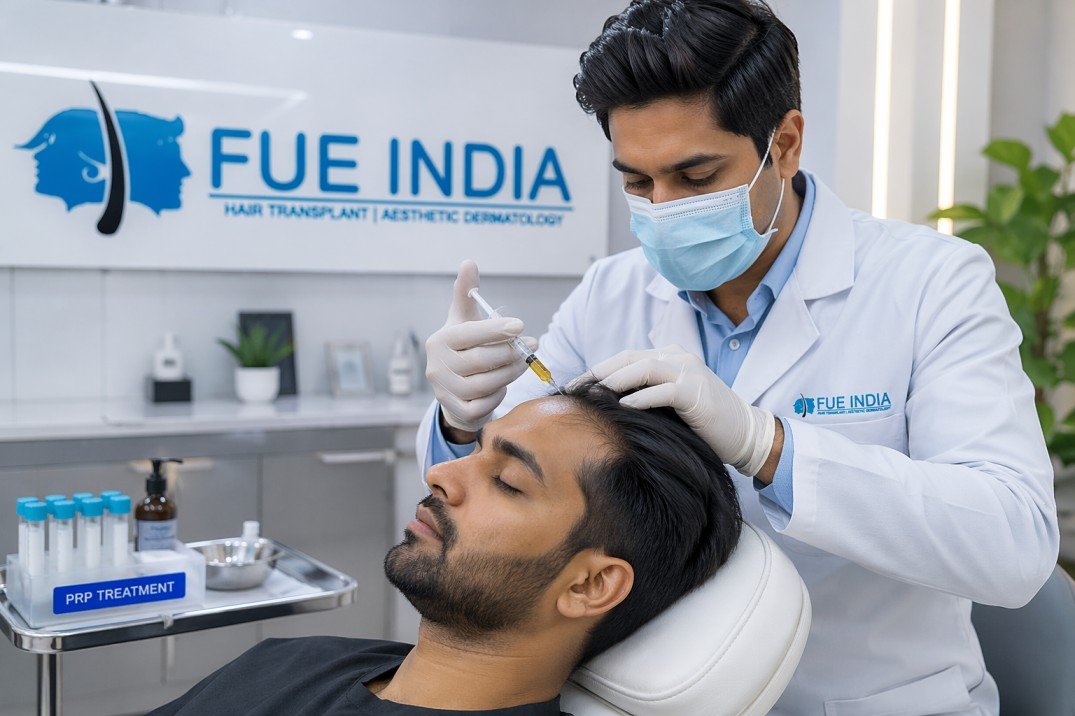
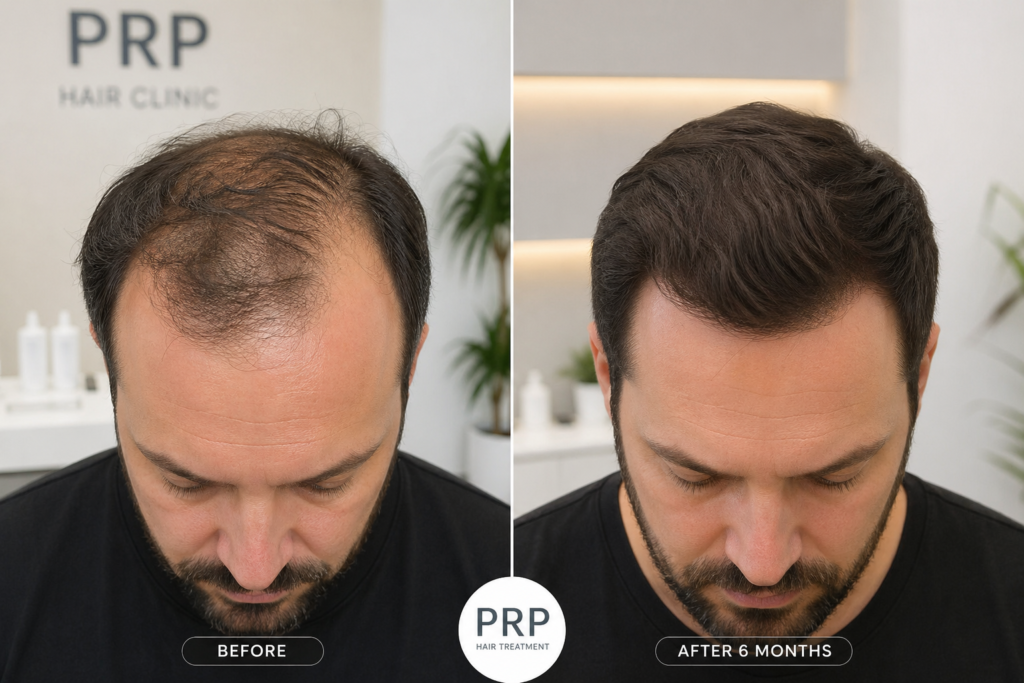
Hair transplantation has become one of the most effective and permanent solutions for hair loss. However, one common misconception is that every patient will achieve the same results. Many people compare online Hair Transplant Before and After photos and expect an identical transformation, but every hair restoration journey is unique.
Several factors, including the Norwood scale classification, hair texture, genetics, graft count, and the treatment technique used, influence the final outcome. Understanding these differences helps patients develop realistic expectations and appreciate that successful hair restoration is about achieving the best possible result for their individual condition rather than copying someone else’s transformation.
Understanding Hair Transplant Before and After Results
A hair transplant involves moving healthy hair follicles from a donor area, typically the back or sides of the scalp, to areas experiencing thinning or baldness. Although the procedure follows the same medical principles for every patient, the final appearance depends on multiple personal factors.
This is why Hair Transplant Before and After results vary from one individual to another, even when surgeries are performed by the same surgeon.
1. Norwood Scale Classification Determines the Treatment Plan
The Norwood Scale is the standard system used to classify male pattern baldness and helps surgeons determine the most appropriate treatment approach.
Norwood Stage 1–2
Patients with minimal hair loss usually require fewer grafts and can often achieve excellent density with a single procedure.
Norwood Stage 3–4
Hairline recession becomes more noticeable, requiring a moderate number of grafts to restore a natural appearance.
Norwood Stage 5–7
Advanced hair loss involves larger bald areas, making strategic graft placement and donor management essential for balanced coverage.
Because every stage requires a different treatment strategy, Hair Transplant Before and After results should always be evaluated based on the patient’s original hair loss pattern rather than comparing different cases.
2. Hair Texture Influences Density
Hair texture significantly affects how dense a transplant appears after healing.
Thick Hair
Thicker hair shafts cover more scalp area, creating a fuller appearance with fewer grafts.
Fine Hair
Fine hair may require more grafts to achieve similar visual density.
Curly or Wavy Hair
Curly hair naturally adds volume and provides better scalp coverage.
Straight Hair
Straight hair lies flatter, making the scalp slightly more visible despite successful graft growth.
These natural differences explain why two patients receiving the same number of grafts can have completely different Hair Transplant Before and After outcomes.
3. Genetics Affect Long-Term Results
Genetics play an important role in determining both hair quality and recovery.
They influence:
- Hair thickness
- Growth speed
- Hair color
- Hair density
- Future hair loss progression
- Healing ability
Some patients experience rapid growth within six months, while others continue improving for up to twelve months or longer.
Since genetics cannot be controlled, Hair Transplant Before and After timelines naturally differ from person to person.
4. Graft Count Makes a Significant Difference
The number of transplanted grafts directly impacts the amount of coverage that can be achieved.
Typical graft requirements include:
- 1,000–1,500 grafts: Minor hairline correction
- 2,000–3,000 grafts: Frontal restoration and moderate thinning
- 3,500–5,000 grafts: Extensive baldness and crown restoration
However, more grafts do not always guarantee better results. An experienced surgeon focuses on creating natural density while preserving donor hair for the future.
Proper graft planning leads to balanced and long-lasting Hair Transplant Before and After transformations.
5. Treatment Technique: FUE vs FUT
The surgical method also affects recovery and appearance.
FUE (Follicular Unit Extraction)
- Individual follicles are extracted one by one
- Minimal linear scarring
- Faster healing
- Ideal for shorter hairstyles
- Less invasive procedure
FUT (Follicular Unit Transplantation)
- A strip of scalp is removed from the donor area
- Higher graft numbers may be possible in one session
- Leaves a linear scar
- Suitable for patients requiring extensive restoration
Both techniques can produce excellent Hair Transplant Before and After results when performed by an experienced surgeon. The best option depends on the patient’s needs and donor availability.
6. Donor Hair Quality Matters
Every hair transplant relies on the strength and density of the donor area.
A healthy donor area provides:
- Strong follicles
- Better graft survival
- Natural density
- Long-lasting results
Patients with thick donor hair often achieve fuller coverage than those with limited donor resources.
Careful donor management also ensures that additional procedures remain possible if future hair loss occurs.
7. Age and Future Hair Loss
Age influences both treatment planning and long-term satisfaction.
Younger patients may continue losing native hair after surgery, making long-term planning essential. Surgeons often design a mature, natural hairline instead of creating an aggressively low one.
Older patients with stabilized hair loss generally achieve more predictable outcomes.
This personalized approach ensures Hair Transplant Before and After results remain natural for many years.
8. Healing and Recovery Vary
Every person’s body heals differently.
Several factors influence recovery, including:
- Overall health
- Nutrition
- Lifestyle habits
- Smoking
- Stress levels
- Compliance with aftercare instructions
Some patients notice early growth by the third month, while others see significant improvement after six months.
Patience is essential throughout the Hair Transplant Before and After journey.
Why Realistic Expectations Are Important
Many patients expect immediate and dramatic changes after surgery, but hair restoration is a gradual process.
Typical recovery includes:
- Week 1–2: Healing and scab formation
- Month 1: Temporary shock loss
- Month 3–4: Initial new hair growth
- Month 6: Noticeable increase in density
- Month 9–12: Final natural-looking results
Understanding this timeline helps reduce anxiety and improves overall satisfaction.
Tips for Achieving the Best Results
To maximize your outcome:
- Choose an experienced hair transplant surgeon.
- Follow all post-operative instructions carefully.
- Avoid smoking and excessive alcohol consumption.
- Maintain a healthy, protein-rich diet.
- Protect your scalp from direct sunlight.
- Attend scheduled follow-up appointments.
- Be patient and allow the natural growth cycle to progress.
Conclusion
Every Hair Transplant Before and After journey is unique because every patient has different hair characteristics, genetics, donor availability, and hair loss patterns. Factors such as the Norwood scale classification, hair texture, graft count, and the choice between FUE and FUT all contribute to the final result.
Rather than comparing your progress with someone else’s, focus on achieving the best possible outcome for your individual condition. With realistic expectations, expert surgical planning, and proper aftercare, a hair transplant can provide natural, long-lasting results that restore both your hair and your confidence.
