
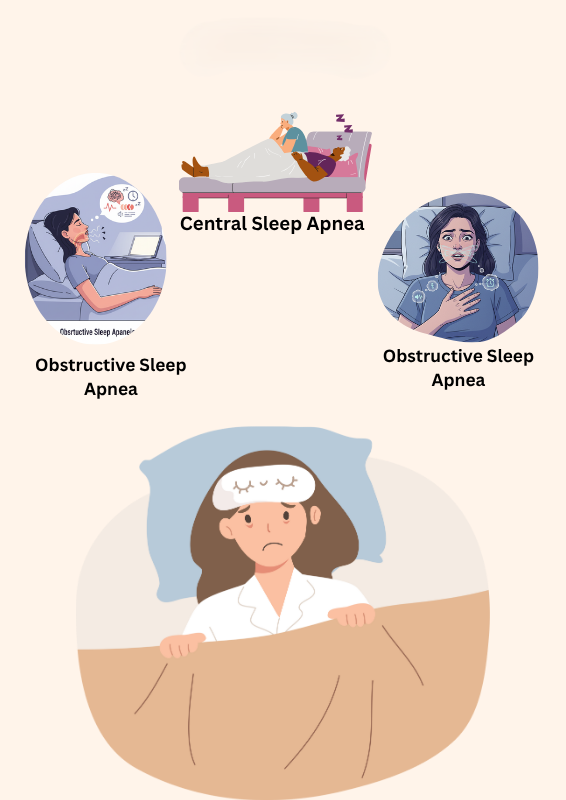
Narcolepsy is a long-term sleep disorder that affects how the brain controls sleep and wake cycles. People living with narcolepsy often experience excessive daytime sleepiness, sudden sleep attacks, disturbed nighttime sleep, and trouble staying alert during daily activities. While medical care plays an important role, many people also look for natural remedies to support better wakefulness and improve daily life.
Natural approaches cannot cure narcolepsy, but they can help reduce symptoms, improve focus, and support overall well-being. When combined with professional guidance, these remedies may help people feel more in control of their day.
Understanding the Role of Supportive Treatment
Managing narcolepsy usually requires a combination of structured habits and supportive treatments. Some individuals, under medical advice, use options such as modaheal 200 mg to support alertness during the day. These treatments are often discussed early in the management journey, along with lifestyle changes, to help maintain better focus and productivity.
Natural remedies work best when they support a consistent routine and healthy sleep-wake balance. They focus on improving sleep quality, energy levels, and mental clarity without overstimulating the body.
1. Build a Consistent Sleep Schedule
One of the most effective natural remedies for narcolepsy is maintaining a strict sleep routine. Going to bed and waking up at the same time every day helps train the brain to follow a predictable pattern.
Short, planned naps during the day can also help. Many people with narcolepsy benefit from one or two brief naps, lasting 15–20 minutes. These naps can refresh the mind and reduce sudden sleep attacks later in the day.

2. Improve Sleep Environment Naturally
A calm sleep environment plays a big role in managing narcolepsy symptoms. Keep the bedroom dark, quiet, and cool. Avoid screens at least one hour before bedtime, as blue light can interfere with natural sleep signals.
Natural tools such as blackout curtains, white noise machines, or relaxing scents like lavender may help improve sleep quality. Better nighttime sleep often leads to improved alertness during the day.
3. Eat for Steady Energy
Diet has a strong connection to daytime alertness. Heavy or sugary meals can cause energy crashes, which may worsen daytime sleepiness. Instead, choose balanced meals with lean protein, whole grains, fruits, and vegetables.
Smaller, frequent meals throughout the day help maintain stable energy levels. Staying hydrated also supports brain function and focus. Limiting caffeine late in the day can improve nighttime sleep quality.
4. Stay Active with Gentle Exercise
Regular physical activity supports natural alertness and improves overall health. Light to moderate exercise, such as walking, stretching, yoga, or swimming, can help reduce fatigue and improve mood.
Exercise also supports better nighttime sleep, which is essential for managing narcolepsy. However, avoid intense workouts close to bedtime, as they may make it harder to fall asleep.
5. Use Stress-Reduction Techniques
Stress and anxiety can worsen narcolepsy symptoms. Relaxation techniques help calm the nervous system and improve sleep quality. Deep breathing, meditation, mindfulness, and guided relaxation exercises can support better focus and emotional balance.
Spending time outdoors, practicing hobbies, and limiting mental overload also help reduce stress-related fatigue.
6. Support Alertness with Light Exposure
Natural light plays an important role in regulating the sleep-wake cycle. Exposure to sunlight in the morning helps signal the brain that it is time to stay awake.
If natural sunlight is limited, especially during winter months in regions like Canada, light therapy lamps may help. Controlled light exposure can support alertness and improve daytime energy.
7. Create a Structured Daily Routine
A predictable daily routine helps the brain stay alert at key times. Planning demanding tasks during peak energy hours reduces mental exhaustion. Scheduling breaks and short naps allows the body to reset naturally.
Many people living in busy regions such as the USA and Australia find that structured routines improve work performance and daily functioning when managing narcolepsy.
8. Herbal and Natural Support Options
Some people explore herbal options such as ginseng, green tea, or peppermint for mild alertness support. These should be used carefully and discussed with a healthcare professional, especially when combined with other treatments.
Natural supplements do not replace medical care, but they may offer gentle support for energy and focus when used responsibly.
9. Combine Lifestyle Care with Medical Guidance
In some cases, healthcare providers may recommend treatment options such as a modalert 200mg tablet to support wakefulness. These options are often discussed alongside lifestyle adjustments rather than as standalone solutions.
Some individuals also explore options to buy waklert or similar products under professional advice. Trusted platforms like Buyrxsafe are often mentioned when people look for reliable information and access, but medical guidance remains essential.
10. Stay Educated and Connected
Learning about narcolepsy empowers people to manage it better. Support groups, educational resources, and open conversations with healthcare providers help reduce isolation and improve confidence.
Sharing experiences with others facing similar challenges can offer emotional support and practical tips for daily life.
Final Thoughts
Natural remedies play a valuable role in managing narcolepsy when combined with proper care and professional guidance. Healthy sleep habits, balanced nutrition, regular exercise, stress management, and structured routines can significantly improve daytime alertness and quality of life.
While supportive treatments may be part of the journey, natural approaches help strengthen the body’s ability to stay awake and focused. With consistency and informed choices, people living with narcolepsy can build a more balanced and active life across different environments, including Canada, the USA, and Australia.
