
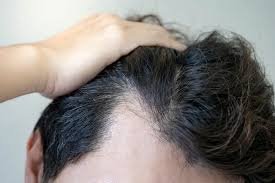
Hair thinning is a gradual reduction in hair density that can be influenced by genetics, hormonal changes, lifestyle, stress, and environmental factors. In Dubai, modern living conditions, heat exposure, and indoor lifestyles can also contribute to changes in hair health over time.
How Hair Follicles Become Weaker
Hair grows in cycles, and when the growth phase becomes shorter, strands become finer and less dense. Over time, follicles may shrink (a process known as miniaturization), which leads to visible thinning rather than complete baldness.
What Is Stem Cell Therapy for Hair?
Modern Regenerative Approach
Stem Cell Therapy for Hair in Dubai is a regenerative treatment designed to support the scalp environment and stimulate hair follicles that are still active but weakened. It focuses on improving follicle function rather than simply masking hair loss.
According to clinical insights, this treatment uses regenerative cells or growth-factor-rich solutions to encourage healthier hair growth cycles and improve overall hair density.
How It Works on the Scalp
Stem cell-based treatments aim to:
- Support dormant or weak hair follicles
- Improve scalp circulation and nourishment
- Enhance follicle activity at a cellular level
- Encourage thicker and stronger hair growth over time
The goal is not to create new follicles but to improve the performance of existing ones.
Can It Reverse Hair Thinning?
Improving Hair Density and Thickness
Stem cell therapy may help improve the appearance of thinning hair by increasing the thickness of existing strands and stimulating underactive follicles. Many individuals experience improved hair density over time when follicles are still present and responsive.
Best-Suited Cases for Results
This treatment is generally more effective in:
- Early-stage hair thinning
- Mild to moderate density loss
- Areas where hair is present but weaker or finer
In these cases, follicles are still viable, which allows regenerative stimulation to have a visible impact.
What It Cannot Do
If hair follicles are completely inactive or absent, regenerative treatments alone may not fully restore hair in those areas. In such cases, different restoration strategies may be considered alongside regenerative care.
The Science Behind Hair Regeneration
Cellular Repair and Follicle Support
Modern regenerative therapies focus on improving the scalp’s biological environment. Stem cell-derived signals may help:
- Reactivate growth cycles
- Improve blood supply around follicles
- Reduce follicle miniaturization
- Strengthen hair shaft production
Research suggests that regenerative approaches can improve hair density in a significant number of patients, although outcomes vary depending on individual conditions.
Combination with Other Treatments
In many cases, stem cell therapy is combined with supportive treatments like:
- Nutritional support for hair health
- Scalp treatments to improve circulation
- Growth factor-based therapies
This combined approach often enhances overall results.
Expected Results and Timeline
Gradual Improvements Over Time
Hair regeneration is not immediate. Improvements typically develop gradually as hair cycles progress.
Common observations include:
- Reduced shedding over time
- Gradual increase in hair thickness
- Improved scalp coverage in thinning areas
- Healthier-looking hair texture
Realistic Expectations
Results vary depending on:
- Stage of hair thinning
- Individual biological response
- Consistency of treatment sessions
- Overall scalp condition
Most individuals notice visible improvements over several months rather than weeks.
Modern Hair Restoration in Dubai
Advanced Clinical Approaches
Dubai has become a hub for advanced aesthetic and regenerative treatments. Clinics use modern techniques to support hair restoration through non-surgical methods that focus on natural regeneration.
Role of Specialized Clinics
Facilities such as Bioliteclinic focus on regenerative aesthetics and personalized hair restoration plans. Their approach typically includes evaluating scalp health and recommending tailored regenerative therapies based on individual needs.
Who May Benefit Most from This Treatment
Early Intervention Candidates
Individuals noticing early signs of thinning often see the most noticeable improvement because their follicles are still active and responsive to stimulation.
Lifestyle and Hair Maintenance
People who combine treatment with good hair care habits often experience better long-term outcomes, including:
- Balanced nutrition
- Gentle hair care routines
- Stress management practices
Limitations of Stem Cell Hair Therapy
Variability in Outcomes
While many patients experience improvement, results can vary significantly depending on biological and environmental factors.
Need for Multiple Sessions
Most regenerative treatments require more than one session to maintain and enhance results over time.
Conclusion
Stem cell-based hair restoration represents a modern and promising approach to addressing hair thinning. Stem Cell Therapy for Hair in Dubai focuses on improving follicle activity, enhancing scalp health, and supporting natural hair growth cycles rather than offering an instant fix.
For individuals experiencing early to moderate thinning, this regenerative method may help improve hair density and thickness over time. However, outcomes depend on follicle health, consistency, and personalized treatment planning.
With advanced clinical approaches and specialized care provided by centers like Bioliteclinic, stem cell therapy continues to be an evolving option for those seeking non-surgical hair restoration solutions in Dubai.
