
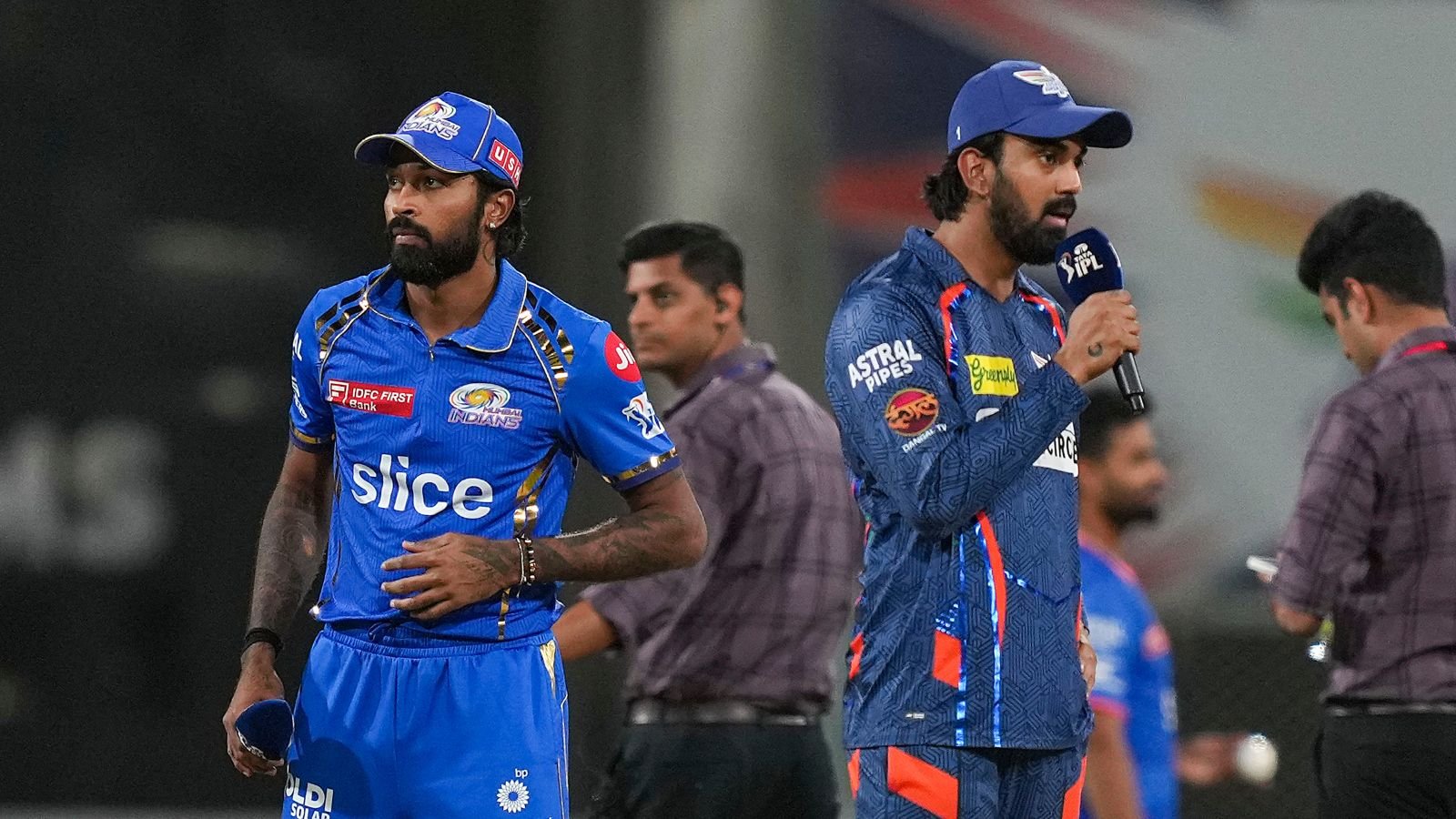
In the fast-paced format of T20 cricket, match outcomes are often influenced even before the first ball is delivered. The toss plays a strategic role, especially in a tournament like the IPL, where playing conditions vary significantly across venues. Many analysts closely follow IPL toss forecast patterns to understand how toss decisions can influence match direction and improve prediction accuracy.
Rather than being a simple coin flip, the toss has become a calculated decision influenced by pitch behavior, weather conditions, team strengths, and match scenarios. Understanding these factors provides a more structured approach to predicting match outcomes.
Why Toss Plays a Strategic Role in IPL
The toss plays a crucial role in IPL matches because conditions often evolve during the game, and in the T20 format, early decisions carry significant weight.
Key reasons:
- Limited overs leave minimal room for recovery after a wrong call
- Pitch behavior can change between the first and second innings
- Chasing is often preferred in night matches due to the dew impact
- Batting conditions tend to improve later in the game
Captains don’t just react to current conditions; they anticipate how the pitch and weather will behave over 40 overs. This forward-thinking approach makes the toss an important strategic decision in IPL matches.
Pitch Conditions and Match Behavior
Pitch characteristics are one of the most decisive factors influencing toss outcomes. Each IPL venue behaves differently, and even within the same stadium, surfaces can vary from match to match.
Flat pitches with even bounce support aggressive batting and make chasing easier. On such surfaces, teams prefer bowling first to take advantage of predictable second-innings conditions. In contrast, slower pitches tend to become more difficult for batting as the game progresses, encouraging teams to bat first and set a target.
Dry surfaces often assist spinners, especially in the second innings, while fresh pitches with some grass covering may support seam movement early on. Understanding these subtle differences is critical for accurate toss-based predictions.
Weather Influence and Dew Factor
Weather plays a significant role in shaping toss decisions, particularly in evening matches. The presence of dew can drastically change the nature of the game by making the ball slippery and reducing grip for bowlers.
When dew sets in:
- Spinners struggle to control the ball
- Fielding becomes less efficient
- Batting conditions improve significantly
This is why chasing is often preferred in venues known for heavy dew conditions. However, in dry weather or afternoon matches, this advantage is reduced, making batting first a viable option.
Humidity levels, temperature, and wind conditions also influence how the pitch behaves and how quickly dew forms. Teams factor in these elements before making a final call at the toss.
Team Composition and Tactical Flexibility
A team’s playing XI plays a crucial role in deciding whether to bat or bowl first. Teams with strong batting depth often prefer chasing because they can pace their innings based on the target.
On the other hand, teams with strong bowling units, especially those with quality spinners, may choose to defend totals on surfaces that slow down over time.
All-rounders add another layer of flexibility, allowing teams to adjust strategies mid-game. This adaptability often influences toss decisions, as teams with balanced lineups are more comfortable in either scenario.
Venue Trends and Historical Patterns
Historical data helps explain how matches typically unfold at specific venues. Some grounds favor chasing, while others support defending totals.
For instance, flat pitches with shorter boundaries often lead to high-scoring games where chasing is easier, whereas larger grounds with slower surfaces reward teams that bat first and control the game.
While past trends are useful, combining them with current conditions improves accuracy. This is where structured IPL toss forecast analysis becomes valuable, blending data insights with real-time match factors.
Captaincy and Decision-Making Approach
The role of the captain is critical at the toss. Experienced captains rely on observation, intuition, and data to make informed decisions.
They assess:
- Surface conditions at the center pitch
- Grass coverage and moisture levels
- Weather changes are expected during the match
- Strengths and weaknesses of the opposition
Good captains also adapt quickly. If conditions differ from expectations, they adjust strategies accordingly, ensuring that the toss decision aligns with the overall match plan.
Psychological and Game Pressure Factors
Toss decisions are also influenced by how teams handle pressure. Chasing offers clarity of target, which can reduce uncertainty but also brings scoreboard pressure.
Defending teams, on the other hand, must manage momentum and maintain control throughout the innings. The psychological comfort of knowing conditions upfront often drives teams to prefer chasing, especially in high-stakes matches.
However, strong teams are those that can perform effectively regardless of the toss outcome, using strategy and execution to balance any initial disadvantage.
Role of Data Analytics in Toss Predictions
Modern cricket analysis relies heavily on data. Teams and analysts use advanced models to study patterns and improve decision-making.
Key data points include:
- Venue scoring trends
- Average first-innings scores
- Win percentages for chasing vs defending
- Player performance under different conditions
These insights help refine predictions, making them more reliable over time. Data-driven analysis ensures that toss predictions are based on measurable factors rather than assumptions.
Building a Structured Toss Analysis Approach
Accurate toss-based predictions require a balanced and methodical approach. Instead of focusing on a single factor, analysts combine multiple elements to form a clearer picture.
A structured approach includes:
- Studying pitch reports and surface conditions
- Monitoring weather updates close to match time
- Evaluating team composition and strengths
- Reviewing historical venue data
- Considering captaincy patterns and strategies
This combination improves prediction accuracy and reduces reliance on guesswork.
Conclusion
IPL toss decisions are influenced by a complex mix of pitch behavior, weather conditions, team strategy, and match context. Understanding these factors allows for more accurate and consistent match predictions.
For those looking to deepen their understanding of match analysis, platforms like CBTF provide structured insights and expert-backed content, including IPL toss tips, to support better decision-making. CBTF focuses on delivering clear, data-driven cricket analysis that helps users interpret match dynamics with greater clarity and confidence.
