

Author

freedaily

Browsing

Heart disease remains one of the leading health concerns worldwide, affecting millions of people every year. While medications, lifestyle changes, and minimally invasive treatments can help many individuals manage cardiovascular conditions, some cases require a more comprehensive solution. When the arteries supplying blood to the heart become severely narrowed or blocked, restoring circulation becomes essential to protect heart function and improve quality of life.

One of the most effective treatments available today is bypass graft surgery, a procedure designed to create new pathways for blood to reach the heart muscle. Over the years, advances in surgical techniques, imaging technologies, and post-operative care have significantly improved patient outcomes, making this treatment a trusted option for many people facing advanced coronary artery disease.

The Impact Of Blocked Arteries

The heart depends on a constant supply of oxygen-rich blood to function properly. This blood is delivered through the coronary arteries that surround the heart muscle. Over time, fatty deposits known as plaque can build up inside these vessels, causing them to narrow and restrict blood flow.

As circulation decreases, patients may begin experiencing symptoms such as chest discomfort, shortness of breath, fatigue, or reduced exercise tolerance. In more serious cases, severe blockages can increase the risk of a heart attack and long-term damage to the heart muscle.

When multiple arteries are affected or blockages become extensive, surgical intervention may offer the most reliable way to restore healthy circulation.

Why Restoring Blood Flow Matters

The heart is an organ that works continuously throughout life. Even minor interruptions in blood supply can affect its performance. Reduced circulation forces the heart to work harder, often leading to worsening symptoms and a decline in overall cardiovascular health.

Restoring blood flow helps relieve chest pain, improve physical activity levels, reduce the likelihood of future cardiac events, and support long-term heart function. By creating alternative routes around blocked arteries, surgeons can help ensure that oxygen-rich blood reaches areas of the heart that need it most.

This restoration process often allows patients to regain confidence in daily activities and return to a more active lifestyle.

Surgical Bypass Creates New Pathways

The principle behind artery bypass grafts is both simple and effective. During the procedure, surgeons take a healthy blood vessel from another part of the body and use it to create a new route around the blocked section of an artery.

This newly created pathway allows blood to flow freely to the heart muscle without passing through the obstruction. Depending on the number and location of blockages, one or several grafts may be required during the same operation.

The goal is not only to improve current symptoms but also to protect the heart from future complications associated with restricted circulation.

Advances In Surgical Planning And Precision

Modern cardiac surgery has benefited greatly from technological innovation. Before any procedure is performed, detailed imaging studies provide surgeons with a comprehensive understanding of the patient’s cardiovascular anatomy.

Advanced diagnostic tools help identify the exact location and severity of blockages, enabling highly personalized treatment planning. This precision improves surgical efficiency and supports better long-term outcomes.

Enhanced monitoring systems used during surgery also allow medical teams to track heart function and circulation continuously, ensuring patient safety throughout the procedure.

Recovery Beyond The Operating Room

Successful treatment does not end when surgery is completed. Recovery plays a vital role in helping patients achieve lasting benefits from the procedure.

During the early stages of healing, patients receive close monitoring and guidance from healthcare professionals. Gradually increasing physical activity, following prescribed medications, and attending follow-up appointments all contribute to a smoother recovery process after artery bypass grafts

Many patients participate in structured cardiac rehabilitation programs that combine exercise training, nutritional support, and education. These programs help individuals rebuild strength and confidence while reducing the risk of future heart-related problems.

Lifestyle Habits That Protect Heart Health

Although surgery can restore blood flow, long-term success depends heavily on maintaining healthy habits. Patients who embrace positive lifestyle changes often experience better outcomes and improved overall well-being.

A balanced diet rich in fruits, vegetables, whole grains, and lean proteins supports cardiovascular health. Regular physical activity helps strengthen the heart and improve circulation. Avoiding tobacco products and managing stress can further reduce the likelihood of future complications.

These everyday choices work together with surgical treatment to create a stronger foundation for lifelong heart health.

Recognizing When Intervention May Be Needed

Heart disease often develops gradually, and symptoms may not always be obvious in the early stages. Persistent chest discomfort, unusual fatigue, shortness of breath, or difficulty performing routine activities should never be ignored. In some cases, delayed treatment can lead to severe blockages that may eventually require bypass graft surgery to restore adequate blood flow to the heart.

Seeking medical evaluation at the first sign of concern allows doctors to identify potential problems before they become more serious. Early diagnosis often expands treatment options and improves outcomes.

The Future Of Coronary Revascularization

The field of heart surgery continues to evolve. Researchers and surgeons are constantly exploring new techniques, improved imaging systems, and innovative technologies that can further enhance patient care.

Minimally invasive approaches, advanced monitoring tools, and refined surgical methods are helping make procedures safer and recovery periods shorter. These developments reflect a broader commitment to improving quality of life for patients facing complex heart conditions.

As medical science progresses, the ability to restore healthy blood flow and preserve heart function continues to reach new levels of effectiveness.

Conclusion

Restoring circulation to the heart is one of the most important steps in treating advanced coronary artery disease. Through modern surgical techniques, personalized care plans, and ongoing lifestyle management, patients can achieve meaningful improvements in both health and daily life. Procedures such as bypass graft surgery can help improve blood flow, reduce symptoms, and support better heart function over the long term. As surgical technology continues to advance, patients have access to safer treatments and more effective recovery pathways. Making informed decisions and seeking timely medical care can play a significant role in protecting cardiovascular health and enhancing overall well-being. Those seeking expert guidance on complex cardiac procedures may benefit from consulting experienced specialists such as Dr. Udgeath Dhir, who is known for his expertise in advanced heart surgery and patient-focused care.
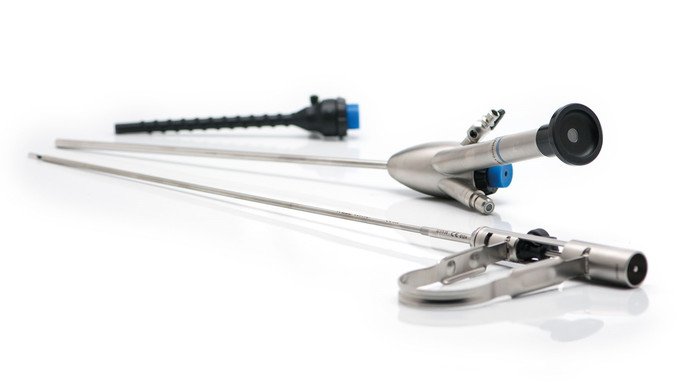

Minimally invasive surgery is a major advancement in modern healthcare that enables surgeons to perform complex procedures through small incisions instead of large open cuts. This approach significantly reduces patient trauma, lowers the risk of infection, and supports faster recovery. The success of this technique depends on advanced surgical technology, especially laparoscopic systems designed for accuracy, safety, and efficiency. 

At the core of these procedures are high-performance laparoscopic instruments, which provide surgeons with precise control, enhanced visibility, and improved dexterity. These instruments ensure smoother operations, better surgical outcomes, and greater consistency in minimally invasive procedures across various medical specialties.

Introduction to Minimally Invasive Surgery

Minimally invasive surgery, also known as laparoscopic surgery, uses a small camera and specialized instruments to perform operations inside the body. Instead of opening a large surgical site, surgeons insert a laparoscope and fine instruments through small incisions. The camera projects high-resolution images onto a monitor, allowing surgeons to operate with enhanced visibility.

The success of this technique depends heavily on advanced laparoscopic instruments, which provide the precision and control required in confined surgical spaces. These tools allow surgeons to perform delicate movements without damaging surrounding tissues.

What Are Laparoscopic Instruments

Laparoscopic instruments are long, thin surgical tools designed to be used inside the body through small incisions. They replicate hand movements but offer greater precision due to their specialized structure. Common laparoscopic instruments include graspers, scissors, dissectors, clip appliers, and energy-based devices.

Modern operating rooms rely on advanced laparoscopic instruments to ensure smooth surgical performance. These tools are engineered for durability, accuracy, and ergonomic handling, making them essential for minimally invasive procedures.

As surgical technology evolves, the importance of advanced laparoscopic instruments continues to grow in hospitals and surgical centers worldwide.

Role of Laparoscopic Instruments in Surgery

Laparoscopic instruments are essential for performing a wide range of surgical procedures such as gallbladder removal, hernia repair, appendix surgery, and gastrointestinal operations. They help surgeons access internal organs with minimal disruption to the patient’s body.

The use of advanced laparoscopic instruments enhances surgical precision and reduces complications. These instruments allow surgeons to work in tight spaces while maintaining accuracy and control.

Another key advantage is reduced fatigue for surgeons, as ergonomic designs improve handling during long procedures. The reliability of advanced laparoscopic instruments ensures consistent performance across different surgical cases.

Importance of Energy-Based Devices

One of the most critical innovations in laparoscopic surgery is the development of energy-based surgical tools. These devices help in cutting and sealing tissues simultaneously, improving efficiency and reducing bleeding.

A major example is the laparoscopic vessel sealing device, which is widely used in modern surgical procedures. It uses controlled energy to seal blood vessels safely and effectively, reducing the need for sutures or clips.

The laparoscopic vessel sealing device improves surgical speed and enhances patient safety by minimizing blood loss. Surgeons depend on the laparoscopic vessel sealing device for precise vessel control, especially in complex surgeries involving delicate vascular structures.

Benefits of Laparoscopic Instruments in Surgery

The adoption of laparoscopic instruments has transformed surgical care for both patients and surgeons. Some key benefits include:

  • Smaller incisions and reduced scarring
  • Faster recovery times for patients
  • Lower risk of infection
  • Reduced blood loss during surgery
  • Improved surgical precision

These benefits are made possible through advanced laparoscopic instruments, which allow surgeons to perform operations with maximum control and minimal tissue damage.

In addition, the laparoscopic vessel sealing device plays a major role in improving safety and efficiency during procedures involving blood vessels.

How Laparoscopic Instruments Improve Surgical Outcomes

Surgical outcomes depend on accuracy, speed, and control. Laparoscopic instruments enhance all three aspects by providing better visibility and precision during operations.

The use of advanced laparoscopic instruments allows surgeons to operate in complex anatomical regions with improved dexterity. These instruments reduce the risk of human error and ensure consistent results.

Similarly, the laparoscopic vessel sealer contributes to better outcomes by ensuring secure vessel closure and reducing intraoperative bleeding. This leads to safer surgeries and faster patient recovery.

Engineering and Quality Standards

The quality of laparoscopic instruments directly affects surgical performance. These tools are manufactured using high-grade materials such as stainless steel and are designed for repeated sterilization and long-term use.

Companies that manufacture and supply medical devices focus on producing precision-engineered surgical tools that meet international quality standards. Their commitment ensures that advanced laparoscopic instruments deliver reliable performance in critical surgical environments.

The development of the laparoscopic vessel sealing device requires advanced technology to maintain controlled energy output and consistent sealing strength. High manufacturing standards ensure the device performs safely during every procedure.

Applications in Modern Healthcare

Laparoscopic surgery is widely used across multiple medical specialties, including general surgery, gynecology, urology, and gastrointestinal surgery. The versatility of laparoscopic instruments makes them essential in modern healthcare systems.

Hospitals rely on advanced laparoscopic instruments for routine and complex surgeries. These instruments improve efficiency in operating rooms and reduce overall healthcare costs by minimizing patient recovery time.

The laparoscopic vessel sealing device is especially useful in surgeries where blood vessel control is critical, making it an indispensable tool in advanced surgical procedures.

Conclusion

Minimally invasive surgery has revolutionized modern healthcare by offering safer, faster, and more efficient surgical procedures. This transformation is made possible through the use of advanced surgical tools that ensure precision and control. High-performance laparoscopic instruments and the laparoscopic vessel sealing device play a vital role in improving surgical outcomes, reducing patient recovery time, and enhancing overall safety. As technology continues to evolve, these instruments will remain essential in shaping the future of surgery.

Delivering precision-focused surgical solutions globally, Salwan Surgicare is a trusted manufacturer and exporter of high-quality laparoscopic and general surgery instruments. The company emphasizes precision engineering, durability, and international quality standards. It offers a wide range of surgical tools for hospitals, clinics, and distributors worldwide. With a strong focus on innovation and reliability, Salwan Surgicare supports healthcare professionals with advanced instruments, ensuring safe, accurate, and efficient surgical performance in modern operating environments.

Relaxation becomes essential when daily pressure begins to affect both physical comfort and mental clarity. Long working hours, repetitive routines, and emotional demands often create tension that builds up silently in the body. A professional massage in Dubai offers a structured, effective way to release accumulated stress while supporting overall wellness through expert body-care techniques.

Full-body care is not only about temporary relief but also about restoring balance across the body’s systems. By improving circulation, easing muscle tightness, and calming the nervous system, therapeutic treatments help individuals feel lighter, more focused, and physically refreshed. This approach ensures that wellness becomes a consistent part of lifestyle management rather than an occasional indulgence.

Full Body Therapy for Stress Reduction

Full body therapy focuses on addressing stress stored across multiple muscle groups rather than targeting a single area. This makes it highly effective for individuals experiencing widespread tension due to work pressure or physical strain. It creates a complete relaxation experience that benefits both body and mind.

A professional massage helps activate blood flow, which improves oxygen delivery to muscles and supports natural healing. This process reduces fatigue and helps the body recover from daily exertion more efficiently. Regular sessions also help maintain physical flexibility and reduce stiffness that develops from inactivity.

Another important benefit of full body therapy is its ability to calm the nervous system. When the body shifts into a relaxed state, stress hormones reduce, and a sense of calmness replaces mental fatigue. This balance helps improve emotional stability and overall well-being.

Restorative Techniques for Body Balance

Restorative techniques are designed to bring the body back into a balanced, relaxed state through controlled pressure and slow movements. These techniques help release deep tension and improve physical alignment.

A well-structured massage in Dubai session uses targeted pressure points to relieve stiffness in areas such as the neck, shoulders, and lower back. These areas often carry the most stress due to posture-related strain or long hours of sitting.

These methods also enhance joint mobility, allowing smoother movement and reducing discomfort in daily activities. Over time, the body becomes more flexible and less prone to strain-related pain.

Therapeutic Touch for Mind and Body Healing

Therapeutic touch plays a vital role in connecting physical relaxation with emotional well-being. It allows the body to enter a deeper state of recovery while calming mental stress.

  • Deep Muscle Release

Deep muscle release focuses on tight and overworked muscles. It helps reduce long-standing discomfort and improves mobility in affected areas.

  • Stress Regulation

Stress regulation techniques help lower cortisol levels, which reduces anxiety and creates a calmer mental state.

  • Energy Flow Enhancement

Energy flow enhancement improves internal balance, making the body feel lighter and more active throughout the day.

  • Emotional Relaxation

Emotional relaxation supports mental clarity and reduces feelings of overwhelm caused by busy routines or emotional pressure.

  • Physical Recovery Support

Physical recovery support ensures muscles heal faster after strain, improving endurance and reducing soreness.

Enhancing Daily Wellness Through Professional Care

Daily wellness depends on how effectively the body manages stress and physical strain. Professional care plays an important role in maintaining long-term health and comfort.

A consistent massage spa services experience helps regulate body functions by improving circulation and reducing tension buildup. It also supports better posture, which is essential for individuals working long hours in sedentary positions.

Over time, this consistent care leads to improved energy levels and better resilience against physical and emotional stress. It becomes a preventive approach to health rather than just a reactive solution.

Benefits of Structured Body Wellness Care

Structured wellness care offers multiple health benefits by systematically targeting various aspects of physical and mental well-being.

  • Improved blood circulation that supports muscle recovery, reduces fatigue, and enhances overall energy levels throughout the day
  • Reduced muscle stiffness that improves flexibility, posture, and comfort during daily movements and activities
  • Better sleep quality as relaxation techniques calm the nervous system and prepare the body for deep rest
  • Increased mental clarity that helps reduce stress, improve focus, and support emotional balance in daily life

Deep Relaxation Through Advanced Body Techniques

Advanced body techniques combine different therapeutic methods to deliver deeper and more effective relaxation. These techniques are designed to address both surface-level tension and deeper muscle stress.

A professional massage spa service approach integrates these methods into customized sessions tailored to individual needs. This ensures that each treatment provides maximum benefit and comfort.

Such techniques are especially helpful for individuals dealing with chronic stress, physical exhaustion, or emotional fatigue caused by demanding lifestyles. They help restore balance and improve overall well-being.

Holistic Approach to Full Body Care

A holistic approach ensures that wellness is achieved by addressing physical, emotional, and mental health together. This creates a complete and long-lasting sense of relaxation and balance.

  • Physical Alignment

Physical alignment focuses on improving posture and reducing strain caused by daily habits and work routines.

  • Mental Clarity

Mental clarity helps reduce confusion and mental overload, allowing better focus and decision-making.

  • Emotional Stability

Emotional stability supports a calm and balanced mindset, reducing the impact of stress and anxiety.

  • Energy Renewal

Energy renewal restores vitality and helps the body feel refreshed, active, and more productive.

Conclusion

Full body care is an essential part of maintaining balance in a demanding lifestyle. It helps reduce stress, improve physical comfort, and support emotional well-being through structured and therapeutic techniques. A professional massage spa services experience provides more than temporary relaxation; it delivers long-term health benefits that support overall quality of life.

For those seeking a trusted wellness experience in Dubai, Sweet Spa and Massage offers a premium wellness environment designed to deliver complete relaxation and rejuvenation. With skilled therapists, personalized treatments, and a calming atmosphere, the brand focuses on providing high-quality care that supports both physical recovery and mental well-being. Each session is carefully designed to help clients unwind, restore balance, and experience true relaxation in a peaceful setting.

Cosmetic and reconstructive procedures have become increasingly popular as people seek safe, effective ways to enhance their appearance and boost confidence. However, one of the most common concerns patients have before planning any treatment is the plastic surgery cost in India. The overall pricing depends on multiple factors, including the type of procedure, surgeon expertise, hospital facilities, and post-surgery care.

Factors That Influence Cosmetic Surgery Pricing in India

The cost of cosmetic procedures is not fixed because every patient has unique requirements. A major factor is the complexity of the surgery, as more advanced procedures require specialised skills and longer operating time. The surgeon’s experience also plays a key role, as highly qualified plastic surgeons typically charge higher fees due to their expertise and success rates.

Hospital infrastructure, anaesthesia charges, medical tests, and recovery support also contribute to the overall expense. In addition, the clinic’s location can influence pricing, with metro cities generally having slightly higher costs than smaller regions.

Another important aspect is the type of technology and equipment used during the procedure. Advanced tools and minimally invasive techniques may increase costs but often provide greater precision and faster recovery.

Cosmetic Procedures and Their Cost Considerations

The pricing of aesthetic procedures in India depends on several important factors such as the type of treatment, the surgeon expertise, and hospital facilities. Each procedure is planned based on individual needs, which is why the overall cost can differ significantly from one patient to another. The cosmetic surgery cost in India varies widely depending on the type of treatment chosen. Common procedures such as rhinoplasty, liposuction, and breast augmentation are priced differently based on the complexity and expected results. 

For example, non-invasive treatments like fillers or laser procedures are usually more affordable compared to surgical body contouring. Similarly, reconstructive surgeries performed after trauma or medical conditions may involve additional medical planning and follow-up care, which impacts the overall pricing structure.

Popular Cosmetic Enhancements and Treatment Demand

Among various aesthetic treatments, facial enhancement procedures are gaining significant attention. Treatments such as nose reshaping, jawline contouring, and lip modifications are commonly requested to improve facial harmony. One such specialised procedure is big lip surgery, performed for individuals seeking lip reduction or reshaping to achieve balanced facial proportions.

These procedures require precision and artistic skill to ensure natural-looking results while maintaining facial symmetry. Recovery time and post-operative care also vary depending on the extent of correction required.

Conclusion

Cosmetic surgery continues to offer individuals a reliable way to enhance their appearance, address physical concerns, and regain confidence through safe, advanced medical techniques. With the growing demand for aesthetic improvements, choosing a skilled and trustworthy clinic is essential to achieving natural-looking, satisfying results.

Those seeking expert care and advanced cosmetic solutions often choose Dr Soni’s Plastic & Cosmetic Surgery Centre for its strong reputation for delivering high-quality treatments and personalised surgical plans. From facial enhancements to body contouring and specialised procedures such as big lips surgery, the clinic ensures precision, safety, and patient-focused outcomes that make it a preferred choice for cosmetic treatments in India. 

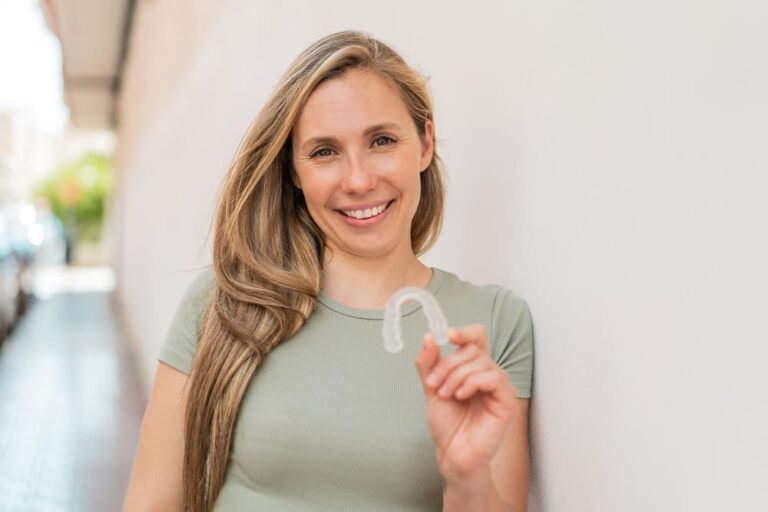
A balanced smile often improves more than appearance alone. Proper alignment can support oral hygiene, chewing comfort, and long-term dental stability. Patients exploring orthodontic options in Singapore now encounter a wider range of corrective systems, including ceramic braces, self-ligating appliances, and clear aligners designed for reduced visibility during daily interactions.

Cost remains one of the biggest deciding factors during treatment planning. Different systems involve varying materials, monitoring schedules, and correction complexity, which all influence final pricing. Many individuals researching transparent braces cost in Singapore discover that consultation quality, appliance selection, and treatment duration can significantly affect the overall financial commitment.

Understanding How Orthodontic Pricing Is Determined

Every alignment case presents different structural concerns. Minor spacing corrections may require shorter timelines, while severe crowding or bite irregularities often demand extended supervision and additional adjustments. Orthodontists usually perform a detailed assessment before providing a complete estimate.

Appliance technology also influences the final fee. Conventional metal braces generally remain more economical, whereas ceramic systems and removable aligners may carry higher pricing due to aesthetics and customization requirements. Diagnostic imaging, retainers, and review appointments can further contribute to the total amount.

Severity of Misalignment

Patients with overlapping teeth, jaw discrepancies, or bite complications usually require more complex movement planning. Extended correction periods naturally increase consultation frequency and adjustment sessions.

Appliance Material

Ceramic brackets and transparent aligners often cost more because they are designed to appear less noticeable. Their fabrication process also involves additional customization for each patient.

Treatment Duration

Longer orthodontic timelines involve additional monitoring visits and appliance maintenance. Cases requiring extraction or staged alignment commonly extend beyond standard treatment periods.

Follow-Up Services

Some clinics bundle retainers, polishing, and emergency reviews into their packages. Others charge separately for these services, creating noticeable differences between quotations.

Comparing Available Orthodontic Options

Metal braces continue to deliver dependable correction for both mild and severe alignment concerns. Modern designs are significantly smaller than older systems, allowing improved comfort throughout treatment.

Ceramic appliances provide a subtler appearance because the brackets blend more naturally with tooth color. Self-ligating systems also remain popular among adults and students due to reduced friction and simplified adjustment appointments.

  • Metal braces offer strong corrective capability for complex cases.
  • Ceramic systems create a less visible appearance during conversations.
  • Self-ligating appliances may reduce chairside adjustment time.
  • Clear aligners can be removed during meals and oral hygiene routines.

Why Consultation Quality Matters

Orthodontic evaluations involve more than visual examination alone. Clinics specializing in corrective dentistry often use digital scans, bite analysis, and photographic records to determine suitable movement strategies. Thorough planning can reduce future complications while improving treatment efficiency.

Patients should also understand the expected timeline before beginning care. Reliable providers generally explain dietary precautions, hygiene expectations, and retainer requirements during the consultation process. Clear communication often leads to smoother treatment experiences.

Digital Assessments

Modern orthodontic planning frequently includes digital scanning technology. These images help specialists evaluate tooth positioning with greater precision before appliance placement begins.

Bite Evaluation

Jaw alignment and chewing function are important considerations during treatment planning. Proper assessment helps determine whether extraction or additional correction may be necessary.

Oral Hygiene Guidance

Patients usually receive cleaning recommendations designed to protect enamel and gum health throughout the alignment process. Consistent hygiene reduces the likelihood of plaque buildup around brackets.

Factors Patients Should Compare Before Choosing a Clinic

Treatment pricing should never be the only deciding factor. Experience, communication quality, and long-term monitoring play equally important roles during orthodontic care. Patients often benefit from clinics focused specifically on corrective dentistry rather than general procedures alone.

Transparency regarding payment structures also matters. Some providers divide treatment into manageable installment plans, while others require larger upfront payments. Understanding these policies early can prevent financial misunderstandings later.

  • Confirm whether retainers are included after alignment completion.
  • Ask how frequently adjustment appointments are scheduled.
  • Review emergency consultation availability before committing.
  • Compare appliance maintenance instructions between systems.

The Growing Preference for Less Visible Orthodontics

Adults entering professional environments frequently seek discreet correction methods that minimize visual impact during meetings or social interactions. Ceramic braces and clear aligners have become increasingly popular because they support a more subtle appearance throughout treatment.

Teenagers also show growing interest in transparent systems. Many younger patients appreciate appliances that feel less noticeable in photographs and classroom settings. Orthodontists commonly recommend suitable options based on lifestyle, oral condition, and correction complexity.

Maintaining Oral Health During Alignment

Orthodontic appliances require consistent maintenance to prevent plaque accumulation and enamel concerns. Brushing techniques often change once brackets or aligners are introduced into the daily routine. Patients are usually advised to clean carefully around wires and attachment points.

Dietary adjustments can also improve appliance longevity. Sticky foods, hard snacks, and excessive sugary beverages may increase the risk of damage or hygiene complications during treatment. Regular monitoring appointments help ensure progress remains on schedule.

Cleaning Around Brackets

Specialized brushes and flossing tools can improve cleaning efficiency around orthodontic hardware. Thorough daily care supports healthier gums and reduces staining risk.

Managing Food Restrictions

Crunchy snacks and hard candies may damage brackets or wires. Orthodontists commonly recommend softer meal options during the initial adjustment phase.

Wearing Retainers Consistently

Retention plays a major role after alignment completion. Proper retainer use helps maintain corrected positioning and reduces the likelihood of relapse.

What Patients Can Expect During the Adjustment Period

Most individuals experience mild pressure during the early stages of orthodontic correction. This sensation usually decreases after several days as the mouth adapts to the appliance. Orthodontists may recommend softer foods temporarily to improve comfort.

Speech adjustments can also occur with aligners or certain bracket systems. Patients generally adapt within a short period, especially when appliances are worn consistently according to professional guidance.

Final Thoughts

Searching for a reliable path toward a healthier smile while balancing comfort and affordability? BRACESAURUS provides specialized orthodontic care through modern corrective systems, detailed consultations, and personalized treatment planning tailored to different alignment needs. Patients comparing options for braces treatment often value clinics that combine experienced supervision, transparent guidance, and contemporary appliance solutions designed for long-term dental stability.