
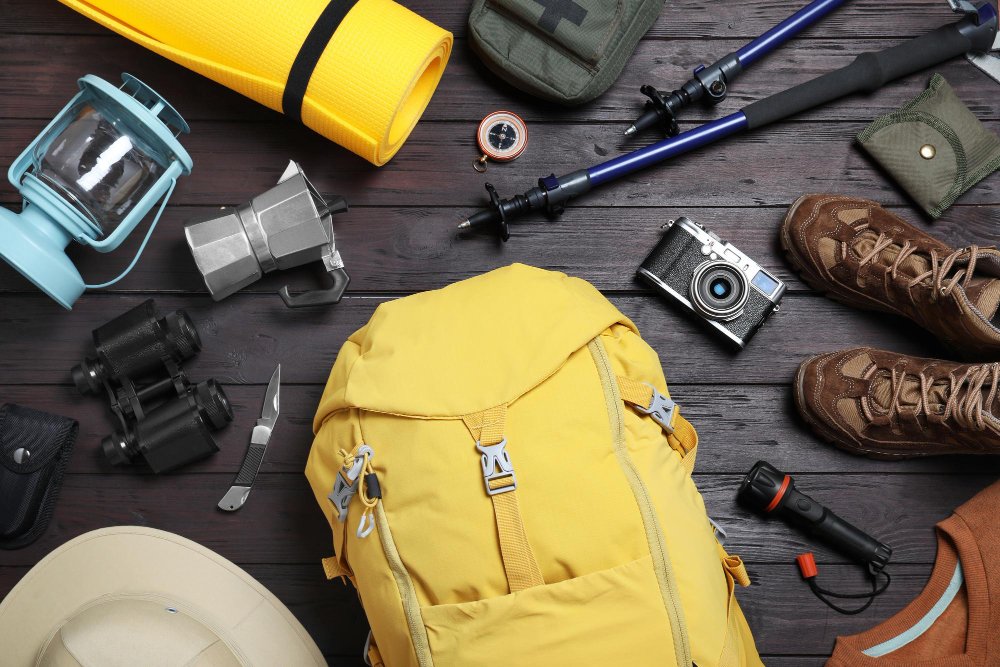
Ensuring access to safe drinking water is the most critical survival concern for any trekker or camper. The risk of waterborne illnesses from streams, springs, or falls in the Philippine outdoors is high, making purification non-negotiable. Fortunately, effective and affordable purification kits are accessible at any camping store in the Philippines, countering the perception that purification requires expensive, imported filters. This guide breaks down three simple, effective DIY systems you can assemble today.
System 1: Boiling (The Guaranteed Method)
Boiling is universally recognized as the simplest and most guaranteed method for killing all waterborne pathogens, making it the bedrock of any survival plan.
Essential Components to Buy
The necessary gear for this system is foundational to all camping and readily available at every camping store in the Philippines. You will need a reliable camp stove and a sufficient fuel source (butane or alcohol). The boiling container must withstand direct heat, making a durable stainless steel cooking pot or canteen the ideal choice.
Step-by-Step Purification
The method is straightforward: first, collect water and allow any large sediment to settle. Next, bring the water to a rolling boil for one minute. At high altitudes, add three minutes of boiling time for every 1,000 meters above sea level to ensure maximum pathogen kill. This process neutralizes all bacteria, viruses, and parasitic cysts, though it doesn’t remove chemical contaminants or heavy sediment.
Improving the Taste
Boiled water often tastes flat because the boiling process removes dissolved oxygen. Once the water has cooled, you can dramatically improve the flavor by aeration: simply pour the cooled water between two clean containers repeatedly for several minutes. This re-introduces oxygen, making the water much more palatable.
System 2: Chemical Purification (Compact and Budget-Friendly)
Chemical treatment is the ideal backup method for lightweight travelers, offering a compact, universally effective, and budget-friendly solution for sterilizing water.
Required Chemical Agents
The two primary budget agents—stocked at any camping store in the Philippines—are Iodine tablets or Chlorine Dioxide tablets (P200–P400 for a small pack). While iodine is common, Chlorine Dioxide is often preferred as it imparts less flavor to the water and is more effective against the resilient parasitic cyst, Cryptosporidium.
Step-by-Step Treatment
The process requires time: add one tablet (or the manufacturer’s specified dose) to the water container, shake to dissolve the agent, and wait for the mandatory contact time. This is typically 30 minutes, but if the collected water is very cold or highly turbid (murky), the waiting time must be extended to 60 minutes to ensure full effectiveness.
Pre-Filtration Necessity
Chemical agents work best when they can make direct contact with pathogens. Highly turbid water contains sediment that can encapsulate pathogens, shielding them from the chemicals and inhibiting the agent’s effectiveness. Therefore, pre-filtering any murky water through a shirt, handkerchief, or bandana is a non-negotiable step before adding the chemical agent.
System 3: DIY Sediment Pre-Filter
While boiling and chemical treatment purify water, they do not remove sediment. Creating a simple, homemade pre-filter prolongs the life of more expensive purification systems and greatly enhances the effectiveness of chemical treatment.
Accessible Filtration Materials
The materials needed for this crucial DIY step are readily available or can be improvised. You will need a simple container (a plastic bottle works well), and layering materials such as clean coffee filters, cloth, sand, fine gravel, and crushed charcoal (activated charcoal, if available at your local outdoor shop).
Step-by-Step Construction
To construct the filter, cut the bottom off your plastic bottle and place the neck end down. Layer the materials inside the bottle, starting with a cotton or cloth base at the bottom, followed by layers of crushed charcoal, sand, and fine gravel at the top. Pour the collected water slowly through the top layer. The layered materials will slow the water flow and physically trap large debris and sediment before final purification.
Essential Post-Purification and Maintenance
Achieving clean water is only half the battle; preventing recontamination and maintaining your equipment for the long run are equally vital, especially in the humid, tropical environment.
Preventing Cross-Contamination
The golden rule of water safety is: clean water never touches the dirty container. After purification, pour the treated water directly into a sterile, designated storage bottle. If you used chemical tablets, ensure you clean the threads of the dirty water bottle before drinking, as dirty water may have wicked up the threads and could re-contaminate the water as you drink.
Safe Storage and Transport
Once treated, use designated, clean water bottles for storage and transport. Store treated water in a cool and shaded location, never in direct sunlight, to prevent bacterial regrowth. While purified, the water is still susceptible to recontamination from unclean hands or the environment.
Maintenance of Gear
Simple maintenance maximizes the lifespan of your affordable kit. Pots should be dried immediately after use and stored clean to prevent rust. Chemical tablets should be stored in their original, sealed packaging in a cool, dark place to maintain potency, as heat and humidity can degrade their effectiveness.
Key Takeaway
Ensuring safe drinking water in the Philippine wilderness doesn’t require complex or expensive imported gear. By mastering the accessible DIY purification systems—boiling, chemical treatment, and sediment pre-filtration—you gain complete control over your safety. Combining two systems (such as chemical treatment with a sediment pre-filter) offers the highest level of safety using only accessible and affordable gear sourced from any local camping store in the Philippines.
