
Launching or expanding a salon requires more than selecting an attractive interior theme. Business owners must evaluate how every furnishing decision affects operational flow, customer comfort, employee productivity, and future scalability. A carefully planned layout helps maximize service efficiency while supporting a premium customer experience that encourages repeat visits.
The most successful salon businesses view interior planning as a long-term investment rather than a one-time expense. Strategic placement of styling zones, grooming areas, treatment spaces, and reception sections creates an environment that supports growth. At the center of this approach is hair salon furniture, which influences how effectively a salon functions throughout the day.
Why Operational Layout Matters More Than Interior Trends
Many salon owners focus heavily on aesthetics during setup, yet operational efficiency often determines profitability. An attractive salon can still struggle if professionals face movement restrictions, storage limitations, or poorly organized service stations. Efficient layouts reduce unnecessary downtime and support smoother service delivery.
Business performance improves when staff can transition seamlessly between appointments. Proper spacing between workstations minimizes congestion while allowing teams to accommodate more clients during peak operating hours. A practical layout also helps maintain a polished appearance throughout the working day.
Building Dedicated Zones for Different Services
Modern salons frequently offer multiple services under one roof. Hair styling, barbering, nail care, spa treatments, and consultation areas require distinct environments that support specific customer expectations. Dedicated service zones improve organization and create a more structured client journey.
Separating treatment categories also enables staff to perform services without interruption. Clients benefit from greater privacy, while professionals gain workspaces designed specifically for their technical requirements. This balance contributes to improved customer satisfaction and operational consistency.
Designing High-Performance Workstations
Workstations represent the most frequently used areas within a salon. Their design directly affects employee comfort, service speed, and customer experience. Selecting the right combination of chairs, mirrors, storage solutions, and supporting equipment can significantly improve daily operations.
Styling Stations
Styling areas require sufficient workspace for tools, products, and client interaction. Well-positioned mirrors and ergonomic seating help professionals maintain precision while creating a comfortable environment for guests.
Barbering Sections
Dedicated barbering zones benefit from robust chairs designed for extended grooming sessions. Adjustable functionality enables professionals to perform detailed services efficiently while maintaining client comfort.
Multipurpose Service Areas
Flexible stations support salons offering diverse treatments throughout the day. Adaptable furnishings help businesses utilize available floor space more effectively without compromising service quality.
Consultation Corners
Private consultation spaces encourage detailed client discussions regarding treatments, styling preferences, and service recommendations. These areas contribute to stronger customer relationships and personalized experiences.
Beyond functionality, businesses often invest in luxury salon equipment to strengthen brand positioning and create a premium environment that reflects service quality.
Maximizing Revenue Through Efficient Space Utilization
Every square foot within a salon should contribute to business performance. Poorly planned layouts can limit service capacity and reduce earning potential. Strategic space utilization helps owners accommodate more appointments without overcrowding the facility.
Reception areas, waiting zones, service stations, and treatment rooms should work together as part of a cohesive operational system. Thoughtful planning improves movement throughout the premises while ensuring clients experience a smooth transition between services.
Reception and Waiting Areas
A welcoming entrance establishes a strong first impression. Organized reception counters and comfortable seating help streamline customer management while enhancing perceived professionalism.
Nail Care Sections
Dedicated manicure and pedicure stations create specialized environments that support efficiency. Proper workstation spacing allows technicians to deliver services comfortably and consistently.
Spa Treatment Spaces
Treatment rooms benefit from carefully selected beds and supportive furnishings that encourage relaxation. Comfortable environments often contribute to positive customer feedback and repeat bookings.
Storage Integration
Well-designed storage solutions help maintain clean workspaces. Organized inventory management reduces clutter and allows professionals to focus fully on service delivery.
The Value of Customization for Growing Businesses
No two salons operate within identical floor plans or service models. Customization allows business owners to align furnishings with operational goals while maximizing available space. Tailored dimensions and finish options provide greater flexibility during the planning process.
Growing businesses often face evolving requirements as they introduce new services or expand their teams. Customized solutions make it easier to adapt layouts without sacrificing visual consistency. This flexibility supports long-term scalability while preserving a cohesive interior identity.
Brand Alignment
Customized furnishings help reinforce a salon’s positioning within the market. Consistent visual elements strengthen brand recognition and create a memorable customer experience.
Space Optimization
Tailored dimensions allow businesses to utilize challenging floor plans more effectively. Efficient layouts improve circulation and maximize service capacity.
Material Selection
Different upholstery and finish options provide opportunities to balance durability with aesthetic objectives. Appropriate material choices support long-term performance.
Future Expansion
Adaptable furnishing strategies simplify future growth initiatives. Businesses can introduce additional service stations while maintaining design continuity throughout the facility.
Selecting Furniture Categories That Support Long-Term Growth
Successful salon operations rely on a combination of specialized furnishings rather than isolated purchases. Business owners benefit from evaluating how different categories work together to support daily operations and future expansion plans.
Professional environments often require coordinated solutions across multiple service areas. Styling chairs, barber chairs, shampoo units, spa beds, manicure stations, pedicure units, mirrors, trolleys, and accessories each contribute to overall operational effectiveness. Selecting complementary products creates consistency while improving functionality across the salon.
Final Thoughts
Could a more strategic layout become the factor that separates an average salon from a high-performing business? The answer often lies in how effectively every service area supports productivity, comfort, and client satisfaction. Rather than viewing furnishings as standalone purchases, salon owners should approach them as operational assets that contribute directly to profitability and long-term growth.
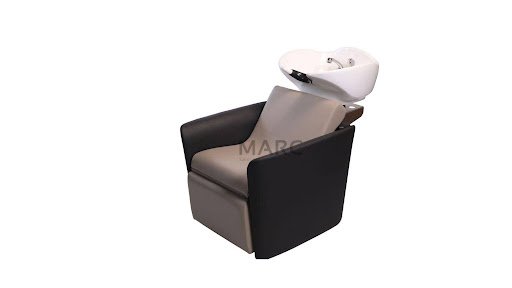
With decades of manufacturing expertise, extensive product categories, customization capabilities, and solutions designed specifically for professional beauty businesses, MARC Salon Furniture supports salons seeking functional, scalable, and visually refined interiors. A carefully selected salon wash station can play an important role in delivering comfort, improving workflow, and strengthening the overall customer experience.
