

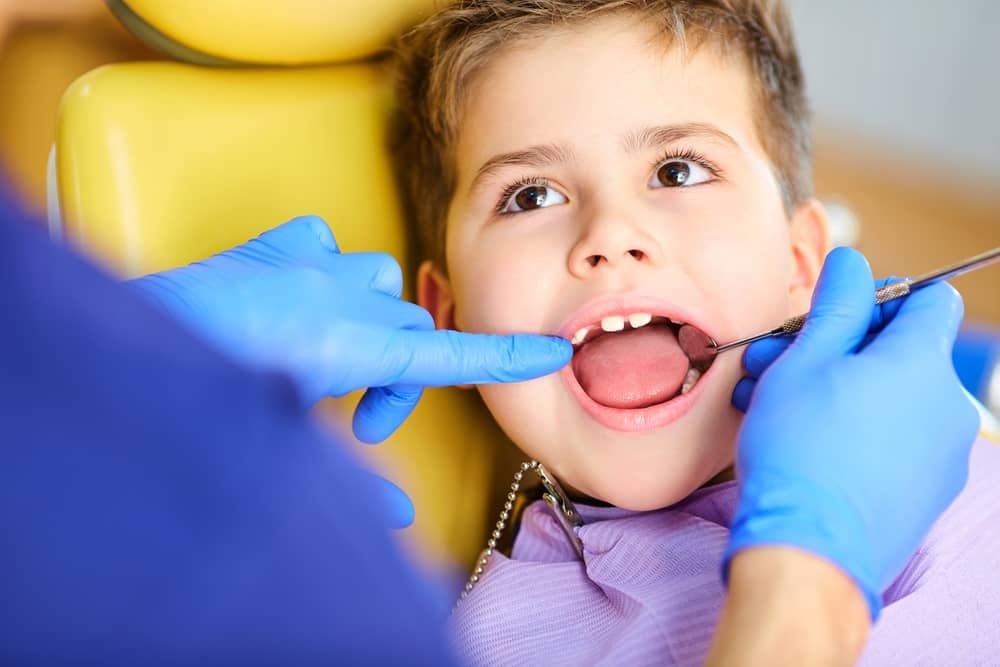
Parents often assume orthodontic treatment begins in the teenage years. However, early evaluation plays a crucial role in preventing complex dental issues later. Understanding the right timing for your child’s first orthodontic visit can make a significant difference in their long-term oral health.
The Ideal Age for an Orthodontic Check
According to leading dental associations, children should have their first orthodontic assessment by age seven. At this stage, permanent teeth have typically started to erupt, allowing an orthodontist to detect early signs of alignment issues, jaw growth discrepancies, and bite problems.
An early consultation does not necessarily mean your child will need braces immediately. Instead, it allows specialists to monitor development and determine the most appropriate treatment timeline.
Clinics such as Michael Woods Orthodontics emphasize early evaluation to identify potential concerns before they become more severe or costly to treat.
Why Age 7 Is Important
By age seven, orthodontists can detect:
- Crowding or spacing issues
- Overbite, underbite, or crossbite
- Jaw growth irregularities
- Protruding front teeth
- Early or delayed loss of baby teeth
Early detection allows for what is known as Phase 1 orthodontic treatment, which may guide jaw growth, create space for permanent teeth, and reduce the need for extractions later.
Signs Your Child May Need an Orthodontic Evaluation
While age seven is recommended, parents should also watch for visible warning signs, including
- Difficulty chewing or biting
- Mouth breathing
- Thumb-sucking beyond age five
- Speech difficulties
- Teeth that appear crowded or misplaced
- Clicking or shifting jaw
If you notice any of these issues, scheduling an evaluation with an experienced provider like Michael Woods Orthodontics can provide clarity and reassurance.
Benefits of Early Orthodontic Assessment
- Prevents Severe Problems – Early guidance can reduce the severity of misalignment.
- Improves Facial Development—Proper jaw alignment supports balanced facial growth.
- Reduces Treatment Time Later – Early intervention may shorten future orthodontic treatment.
- Boosts Confidence – Correcting prominent teeth early can improve self-esteem.
Importantly, not all children require early treatment. Many will simply be monitored until the appropriate time for braces or aligners.
What Happens During the First Visit?
During your child’s first orthodontic consultation, the orthodontist will:
- Examine teeth and jaw alignment
- Take digital X-rays if necessary
- Assess growth patterns
- Discuss potential treatment options
- Create a monitoring plan
The process is typically straightforward and noninvasive. It is primarily diagnostic and educational for both parents and children.
Does Early Treatment Mean Braces Right Away?
No. In many cases, orthodontists recommend periodic reviews until more permanent teeth erupt. Treatment timing depends on growth patterns, bite development, and overall dental health.
Specialists at Michael Woods Orthodontics tailor treatment plans based on each child’s individual development, ensuring care is both timely and efficient
Final Thoughts
The best time for your child’s first orthodontic visit is around age seven. Early evaluation does not always lead to immediate treatment, but it provides valuable insight into your child’s dental development and helps prevent more complex problems later.
If you want proactive, professional guidance, scheduling an early consultation with Michael Woods Orthodontics ensures your child’s smile is monitored and supported from the start.
