

Author

AlfredK.Miller

Browsing

Brain tumor surgery is often a critical step in treating both benign and malignant brain tumors. As neurosurgical techniques continue to advance, patients today benefit from greater precision, improved safety profiles, and shorter recovery times. Understanding how Brain Tumor Surgery works, the available treatment options, associated risks, and the recovery process can help patients make informed decisions about their care.

Advanced Treatment Options in Brain Tumor Surgery

The primary goal of brain tumor surgery is to remove as much of the tumor as safely possible while preserving healthy brain tissue. Modern neurosurgery incorporates advanced technologies such as:

  • Image-guided navigation systems for precise tumor localization
  • Intraoperative MRI or CT scanning for real-time imaging
  • Awake brain surgery for tumors near speech or motor function areas
  • Minimally invasive surgical techniques to reduce trauma and recovery time

In some cases, surgery is combined with radiation therapy or chemotherapy to target remaining tumor cells. The surgical approach depends on tumor size, location, type, and the patient’s overall neurological condition.

Risks Associated with Brain Tumor Surgery

While Brain Tumor Surgery has significantly improved in safety, it remains a complex procedure. Potential risks may include:

  • Infection
  • Bleeding
  • Swelling of the brain
  • Neurological deficits (speech, vision, or motor function changes)
  • Seizures

However, advancements in surgical monitoring and neuro-navigation technology have substantially reduced complication rates. A comprehensive preoperative evaluation, including MRI scans and neurological testing, helps surgeons minimize risk and plan the safest approach.

What to Expect During Recovery

Recovery after brain tumor surgery varies depending on the complexity of the procedure and the patient’s health status. Most patients spend several days in the hospital for monitoring. Initial symptoms such as headaches, fatigue, or mild cognitive changes are common but typically improve over time.

Rehabilitation may include:

  • Physical therapy
  • Occupational therapy
  • Speech therapy
  • Ongoing neurological assessments

Full recovery can take weeks to months, particularly if additional treatments such as radiation or chemotherapy are required. Close follow-up care ensures proper healing and monitors for tumor recurrence.

Long-Term Outlook

The prognosis following brain tumor surgery depends on tumor type, grade, and completeness of removal. Early detection and prompt surgical intervention significantly improve outcomes. Advances in microsurgical techniques, imaging technology, and multidisciplinary care models continue to enhance survival rates and quality of life for patients.
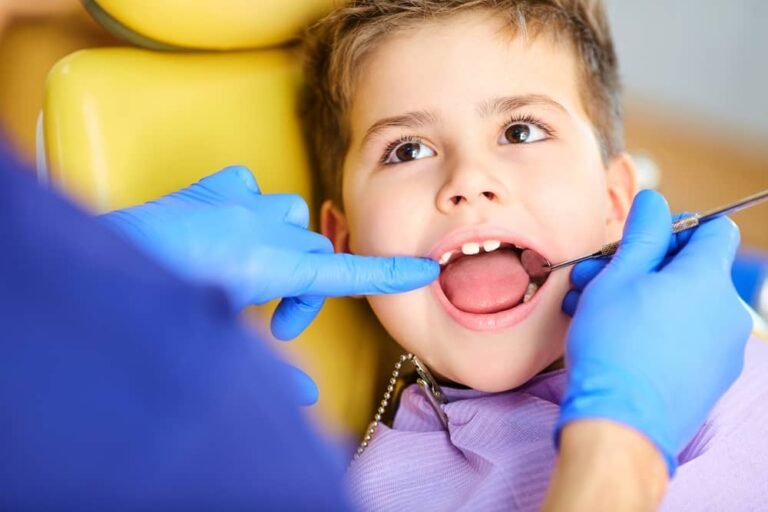
Parents often assume orthodontic treatment begins in the teenage years. However, early evaluation plays a crucial role in preventing complex dental issues later. Understanding the right timing for your child’s first orthodontic visit can make a significant difference in their long-term oral health.

The Ideal Age for an Orthodontic Check

According to leading dental associations, children should have their first orthodontic assessment by age seven. At this stage, permanent teeth have typically started to erupt, allowing an orthodontist to detect early signs of alignment issues, jaw growth discrepancies, and bite problems.

An early consultation does not necessarily mean your child will need braces immediately. Instead, it allows specialists to monitor development and determine the most appropriate treatment timeline.

Clinics such as Michael Woods Orthodontics emphasize early evaluation to identify potential concerns before they become more severe or costly to treat.

Why Age 7 Is Important

By age seven, orthodontists can detect:

  • Crowding or spacing issues
  • Overbite, underbite, or crossbite
  • Jaw growth irregularities
  • Protruding front teeth
  • Early or delayed loss of baby teeth

Early detection allows for what is known as Phase 1 orthodontic treatment, which may guide jaw growth, create space for permanent teeth, and reduce the need for extractions later.

Signs Your Child May Need an Orthodontic Evaluation

While age seven is recommended, parents should also watch for visible warning signs, including

  • Difficulty chewing or biting
  • Mouth breathing
  • Thumb-sucking beyond age five
  • Speech difficulties
  • Teeth that appear crowded or misplaced
  • Clicking or shifting jaw

If you notice any of these issues, scheduling an evaluation with an experienced provider like Michael Woods Orthodontics can provide clarity and reassurance.

Benefits of Early Orthodontic Assessment

  1. Prevents Severe Problems – Early guidance can reduce the severity of misalignment.
  2. Improves Facial Development—Proper jaw alignment supports balanced facial growth.
  3. Reduces Treatment Time Later – Early intervention may shorten future orthodontic treatment.
  4. Boosts Confidence – Correcting prominent teeth early can improve self-esteem.

Importantly, not all children require early treatment. Many will simply be monitored until the appropriate time for braces or aligners.

What Happens During the First Visit?

During your child’s first orthodontic consultation, the orthodontist will:

  • Examine teeth and jaw alignment
  • Take digital X-rays if necessary
  • Assess growth patterns
  • Discuss potential treatment options
  • Create a monitoring plan

The process is typically straightforward and noninvasive. It is primarily diagnostic and educational for both parents and children.

Does Early Treatment Mean Braces Right Away?

No. In many cases, orthodontists recommend periodic reviews until more permanent teeth erupt. Treatment timing depends on growth patterns, bite development, and overall dental health.

Specialists at Michael Woods Orthodontics tailor treatment plans based on each child’s individual development, ensuring care is both timely and efficient

Final Thoughts

The best time for your child’s first orthodontic visit is around age seven. Early evaluation does not always lead to immediate treatment, but it provides valuable insight into your child’s dental development and helps prevent more complex problems later.

If you want proactive, professional guidance, scheduling an early consultation with Michael Woods Orthodontics ensures your child’s smile is monitored and supported from the start.