
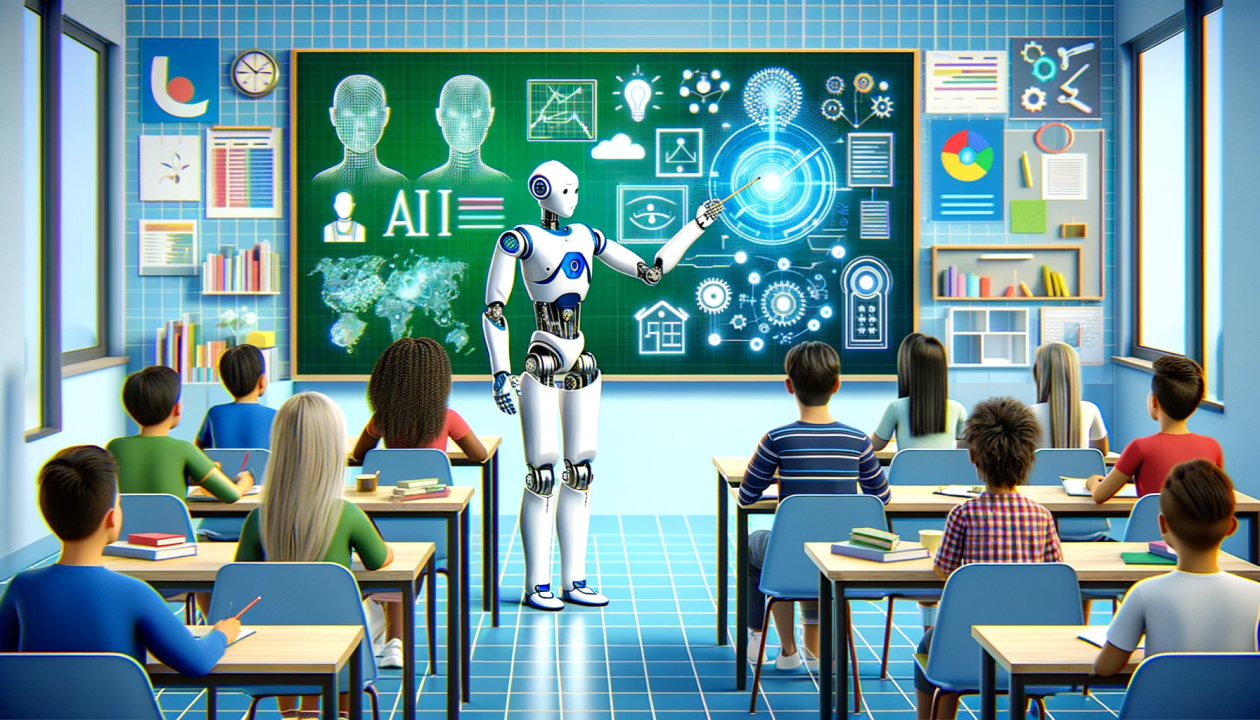
Artificial Intelligence (AI) is rapidly changing the way people learn, work, and interact with technology. As AI continues to shape industries across the globe, educational institutions are adapting to prepare students for this technology-driven future. An AI School focuses on teaching students the fundamentals and applications of artificial intelligence, machine learning, robotics, and data science. The concept has gained significant attention, especially with the establishment of the First AI School in India, which marked a major step toward integrating advanced technology education into the academic system. These schools aim to equip students with the knowledge and skills required to thrive in an increasingly digital world.
What Is an AI School?
An AI School is an educational institution or specialized learning program that incorporates artificial intelligence into its curriculum. Unlike traditional schools that focus primarily on conventional subjects, AI Schools introduce students to emerging technologies from an early age.
Students learn about concepts such as machine learning, coding, data analytics, automation, robotics, and ethical AI practices. The goal is not only to teach technical skills but also to encourage problem-solving, creativity, and innovation. By exposing students to AI-related subjects early, schools help them develop the competencies needed for future careers.
AI Schools often use smart classrooms, personalized learning systems, and interactive educational tools that enhance the overall learning experience.
Benefits of AI Education
AI education offers numerous benefits for students. One of the most significant advantages is preparing learners for future job markets where AI and automation will play a crucial role. Understanding AI technologies can provide students with a competitive edge in various industries.
Key benefits include:
- Improved critical thinking and analytical skills
- Enhanced problem-solving abilities
- Exposure to advanced technologies
- Better understanding of data and digital systems
- Increased career opportunities in technology-related fields
Additionally, AI-powered learning platforms can adapt to individual learning styles, helping students grasp concepts more effectively and efficiently.
How AI Is Changing the Classroom
Artificial intelligence is transforming classrooms by making learning more personalized and engaging. AI-based educational platforms can analyze student performance and recommend customized learning paths based on individual strengths and weaknesses.
Teachers can also benefit from AI tools that automate administrative tasks, allowing them to spend more time focusing on student development. Smart tutoring systems provide instant feedback, while virtual assistants help answer questions and guide students through lessons.
These innovations create a more interactive and efficient educational environment that supports both students and educators.
Challenges of AI Schools
Despite their many advantages, AI Schools also face certain challenges. Implementing advanced technology requires substantial investment in infrastructure, software, and teacher training. Not all educational institutions have the resources necessary to integrate AI effectively.
There are also concerns regarding data privacy, cybersecurity, and the ethical use of artificial intelligence in education. Schools must ensure that student information is protected and that AI systems are used responsibly.
Balancing technology with traditional teaching methods remains an important consideration for educators and policymakers.
Conclusion
AI Schools represent an exciting evolution in education, preparing students for a future where technology and artificial intelligence will be deeply integrated into everyday life. By teaching AI concepts, fostering innovation, and promoting digital literacy, these institutions help create a generation of learners ready to meet the demands of the modern world. As AI continues to advance, AI Schools are likely to play an increasingly important role in shaping the future of education and workforce development.
