
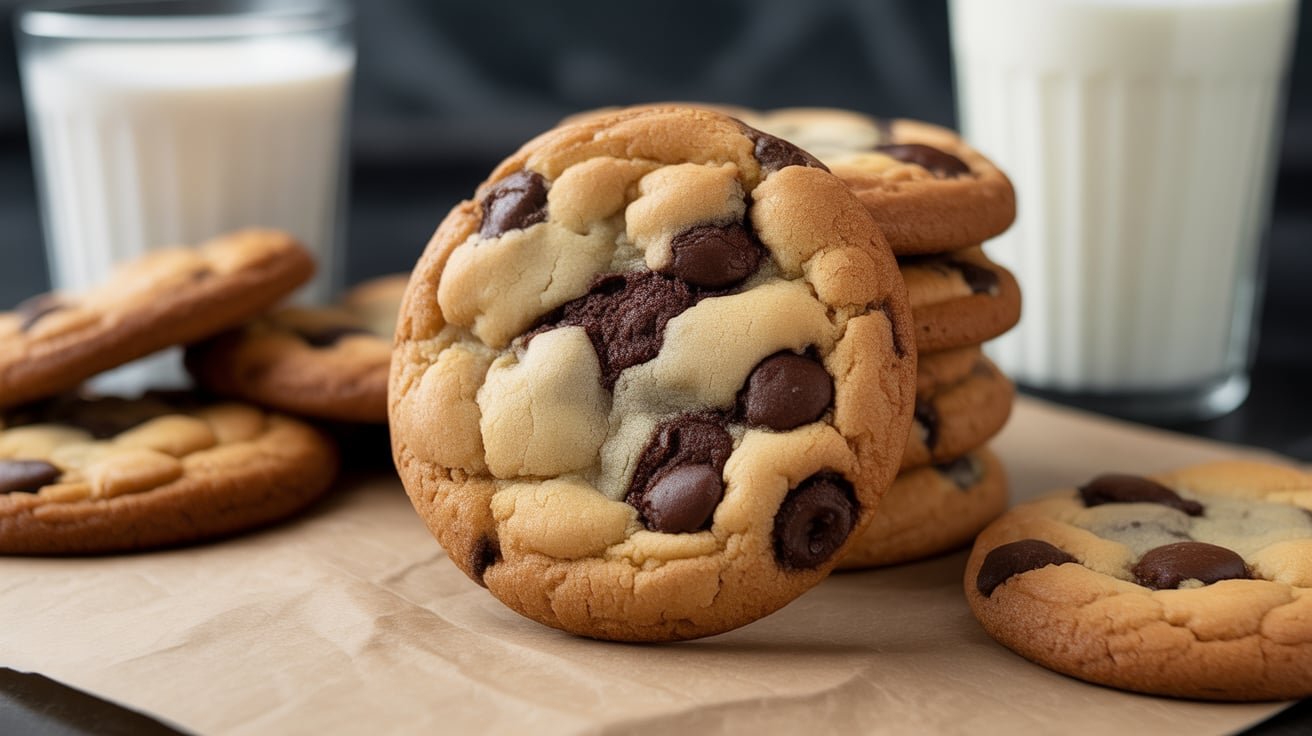
Late-night dessert cravings have made Insomnia Cookies one of the most popular cookie brands in the United States. Known for warm, freshly baked cookies delivered until the early hours, the brand has built a loyal following among students and dessert lovers alike. However, many consumers today are more conscious about what they eat—not just in terms of taste, but also religious compliance and nutrition.
This brings up some important questions: Is Insomnia Cookies halal? Is Insomnia Cookies kosher? What ingredients do they use, and how many calories are in Insomnia Cookies? In this detailed guide, we’ll break everything down clearly so you can make informed choices with confidence.
Understanding Halal and Kosher Food Standards
Before diving into Insomnia Cookies specifically, it’s important to understand what halal and kosher mean.
- Halal foods comply with Islamic dietary laws. Ingredients must be permissible, and items like alcohol-based flavorings, gelatin from non-halal animals, or enzymes from questionable sources are not allowed.
- Kosher foods follow Jewish dietary laws. Ingredients must be certified, prepared under supervision, and certain combinations (like meat and dairy together) are prohibited.
For packaged or restaurant foods, official certification plays a major role in determining compliance.
Is Insomnia Cookies Halal?
One of the most common questions asked by Muslim consumers is: is Insomnia Cookies halal?
The Short Answer
Insomnia Cookies is not officially halal certified.
Why Certification Matters
While many cookie ingredients—such as flour, sugar, cocoa, and butter—are generally halal, the issue lies in hidden or secondary ingredients, including:
- Natural and artificial flavorings
- Emulsifiers
- Enzymes
- Chocolate processing agents
Without halal certification, there is no guarantee that all ingredients or preparation processes meet halal standards. Additionally, cross-contamination can occur in shared kitchens.
Can Some Cookies Be Halal-Friendly?
Some basic flavors may appear halal by ingredient list, but since there is no halal assurance, practicing Muslims typically avoid labeling Insomnia Cookies as fully halal.
Is Insomnia Cookies Kosher?
Another widely searched question is: is Insomnia Cookies kosher?
Are Insomnia Cookies Kosher Certified?
Some Insomnia Cookies locations and packaged products do carry kosher certification, usually from recognized agencies. However, not all locations are certified, and certification may vary by product.
That’s why people often ask:
- Is Insomnia Cookies kosher everywhere?
→ No, certification can differ by store and region.
Key Takeaway
If you follow kosher dietary laws, always:
- Check in-store signage
- Ask staff directly
- Look for kosher symbols on packaging
This makes insomnia cookies kosher status location-specific rather than universal.
Ingredient Transparency: What’s Inside Insomnia Cookies?
Most Insomnia Cookies are made with familiar bakery ingredients, such as:
- Enriched wheat flour
- Butter or margarine
- Sugar (white and brown)
- Eggs
- Chocolate chips
- Flavor extracts
However, ingredients like vanilla extract may sometimes be alcohol-based, which impacts halal status. Similarly, chocolate chips may be processed with emulsifiers that affect both halal and kosher compliance.
This lack of full ingredient sourcing transparency is why certification remains crucial.
Insomnia Cookies Calories: What You Should Know
Taste aside, many customers also care about nutrition. Let’s talk about insomnia calories.
Average Calorie Range
On average:
- One classic Insomnia Cookie contains 150–220 calories
- Deluxe or filled cookies can reach 250–300+ calories
- Ice cream sandwiches may exceed 500 calories
This makes Insomnia Cookies calories comparable to most gourmet cookie brands.
Example
A popular chocolate chunk cookie typically includes:
- High carbohydrates from sugar and flour
- Moderate fat from butter and chocolate
- Minimal protein
While these cookies are indulgent treats, moderation is key—especially for those tracking calorie intake.
Comparing Insomnia Cookies to Other Brands
Compared to store-bought cookies:
- Insomnia Cookies are freshly baked, not preserved
- Calorie counts are similar or slightly higher due to generous portions
- Ingredient quality is generally higher than mass-produced alternatives
However, brands with halal or kosher certifications may offer more peace of mind for religious consumers.
Should Halal or Kosher Consumers Eat Insomnia Cookies?
Here’s a simple breakdown:
For Halal Consumers
- ❌ No official halal certification
- ⚠ Ingredient ambiguity
- ✅ Some vegetarian-friendly flavors
Conclusion: If strict halal compliance is required, Insomnia Cookies may not be suitable.
For Kosher Consumers
- ✅ Some locations/products are certified
- ⚠ Must verify each time
Conclusion: Insomnia Cookies kosher status depends on location and labeling.
How to Make Smarter Choices
If you love Insomnia Cookies but want to stay mindful:
- Ask staff about ingredients and certifications
- Choose simpler flavors with fewer additives
- Balance indulgence with portion control
Being informed allows you to enjoy treats responsibly without compromising your values.
Final Thoughts
Insomnia Cookies has earned its reputation for convenience and flavor, but when it comes to religious dietary laws, the answers aren’t always straightforward. While some products may fit kosher guidelines, Insomnia Cookies is not halal certified, and calorie counts can be high for regular consumption.
Understanding ingredients, certifications, and insomnia calories helps you make better choices—whether for faith, health, or lifestyle reasons.
Want a full breakdown of flavors, nutrition, and availability?
👉 Explore the complete Insomnia Cookies menu to discover your favorite options and make informed dessert decisions today!
