
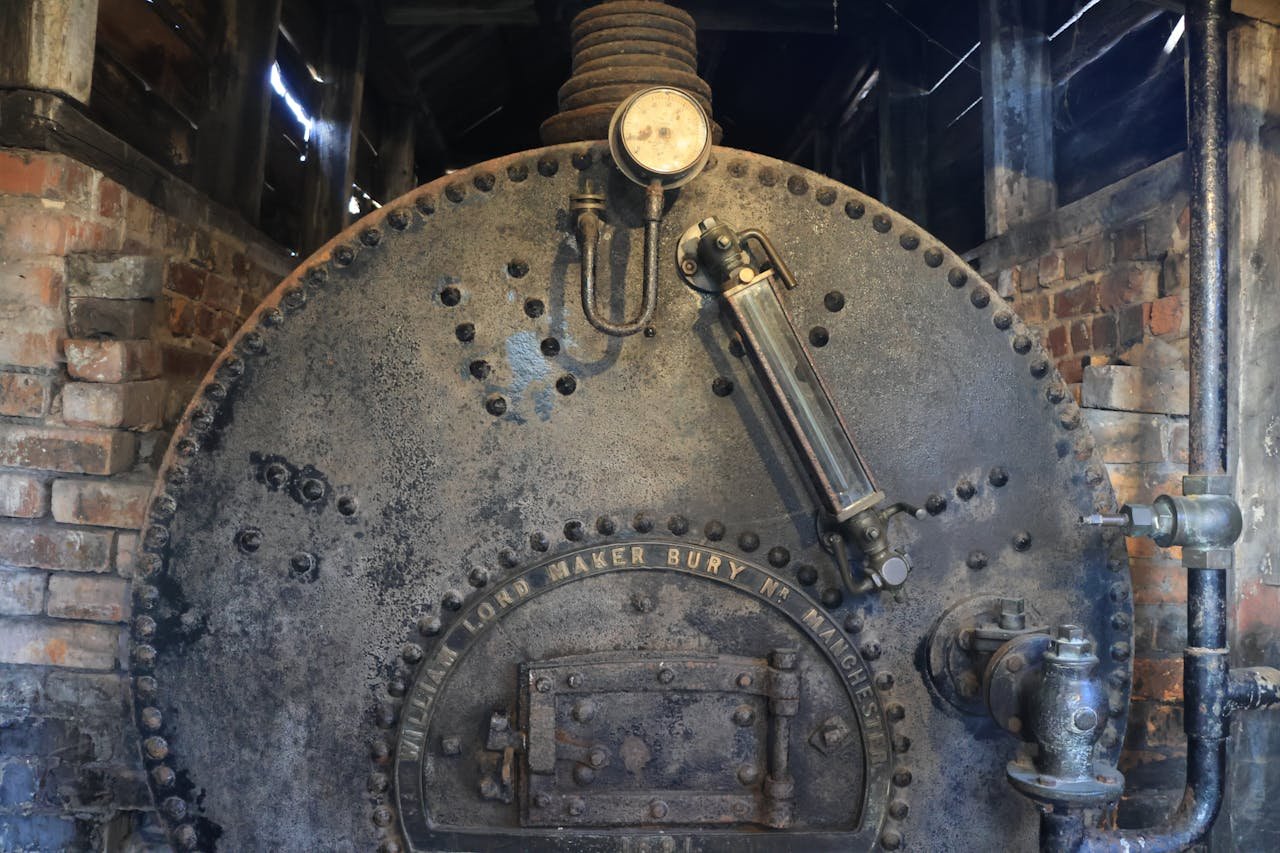
Boilers are at the heart of many facilities, from manufacturing plants to commercial buildings. Keeping them safe isn’t optional. For any facility manager, understanding routine safety checks is critical to preventing accidents, avoiding downtime, and extending equipment life. A well-maintained boiler system runs more efficiently, costs less to operate, and most importantly, keeps people safe.
This guide covers the essential boiler safety checks every facility manager should know and apply consistently.
Why Boiler Safety Checks Matter
A steam boiler operates under high pressure and temperature. Without proper oversight, small issues can escalate into serious hazards, including explosions, fires, or system failures. Regular safety checks help detect problems early, ensure compliance with regulations, and maintain a safe working environment.
Ignoring routine inspections is one of the fastest ways to turn a manageable issue into a costly emergency.
1. Check Water Levels and Controls
Water level is one of the most critical factors in boiler safety. Low water levels can cause overheating and damage internal components, while high levels may reduce efficiency and cause carryover.
What to do:
Inspect the water level gauge daily. Test low-water cutoff devices regularly to confirm they shut down the system when levels drop too low. If controls are unresponsive or inaccurate, they should be repaired or replaced immediately.
2. Inspect Pressure Levels
Maintaining proper pressure is essential for safe boiler operation. Too much pressure can stress the system, while too little can affect performance.
What to do:
Monitor pressure gauges and compare readings with recommended operating levels. Check for fluctuations that may indicate underlying issues. Pressure controls and regulators should be tested periodically to ensure accuracy.
3. Test Safety Valves
Safety valves are designed to release excess pressure and prevent dangerous buildup. If they fail, the risk of a serious incident increases significantly.
What to do:
Test safety valves on a scheduled basis to ensure they open and close correctly. Look for signs of corrosion, leakage, or blockage. Replace any valve that does not function properly without delay.
4. Examine for Leaks and Corrosion
Leaks and corrosion weaken the boiler structure and can lead to system failure over time. Even minor leaks should not be ignored.
What to do:
Conduct visual inspections of pipes, joints, and the boiler shell. Look for rust, moisture, or unusual wear. Address leaks immediately and investigate the root cause to prevent recurrence.
5. Monitor Temperature Levels
Excessive temperature can signal problems such as scaling, poor heat transfer, or faulty controls.
What to do:
Keep an eye on temperature readings and ensure they remain within safe operating limits. Sudden changes or consistently high temperatures should be investigated promptly.
6. Check Burner and Fuel System
The burner plays a key role in combustion efficiency and safety. Problems in the fuel system can lead to incomplete combustion, carbon buildup, or even fire hazards.
What to do:
Inspect burners for dirt, damage, or misalignment. Ensure the fuel supply is stable and free from leaks. Clean components regularly and adjust settings for optimal combustion.
7. Inspect Ventilation and Exhaust Systems
Proper ventilation ensures harmful gases are safely expelled from the facility. Poor ventilation can lead to dangerous gas accumulation.
What to do:
Check flues, vents, and chimneys for blockages or damage. Make sure exhaust systems are functioning efficiently and comply with safety standards. Any obstruction should be cleared immediately.
8. Test Control Systems and Alarms
Modern boilers rely on automated controls and safety alarms to maintain safe operation. If these systems fail, risks increase significantly.
What to do:
Test all control systems, including shutdown mechanisms and alarms. Confirm they respond correctly to abnormal conditions. Faulty controls should be addressed without delay.
9. Manage Water Quality
Water quality directly affects boiler performance and safety. Poor-quality water can lead to scaling, corrosion, and reduced efficiency.
What to do:
Regularly test water for impurities and treat it as needed. Use water softeners or chemical treatments to maintain proper balance. Consistent water management prevents long-term damage.
10. Keep Maintenance Records
Accurate records are often overlooked but are essential for effective boiler management.
What to do:
Document all inspections, repairs, and maintenance activities. This helps track recurring issues, ensures compliance, and provides valuable insights for future planning.
Best Practices for Facility Managers
Consistency is key when it comes to boiler safety. Create a clear inspection schedule and stick to it. Train staff to recognise warning signs and respond appropriately. When in doubt, bring in certified professionals to handle complex issues.
It’s also important to stay updated with local regulations and industry standards. Compliance isn’t just about avoiding penalties; it’s about protecting people and assets.
Final Thoughts
Boiler safety checks are not just routine tasks; they are essential responsibilities for every facility manager. By regularly monitoring water levels, pressure, safety valves, and other critical components, you reduce risks and improve overall system performance.
A proactive approach to boiler maintenance ensures reliable operation, lower costs, and a safer environment. When safety becomes part of your daily routine, your boiler system becomes far more dependable and efficient.
