
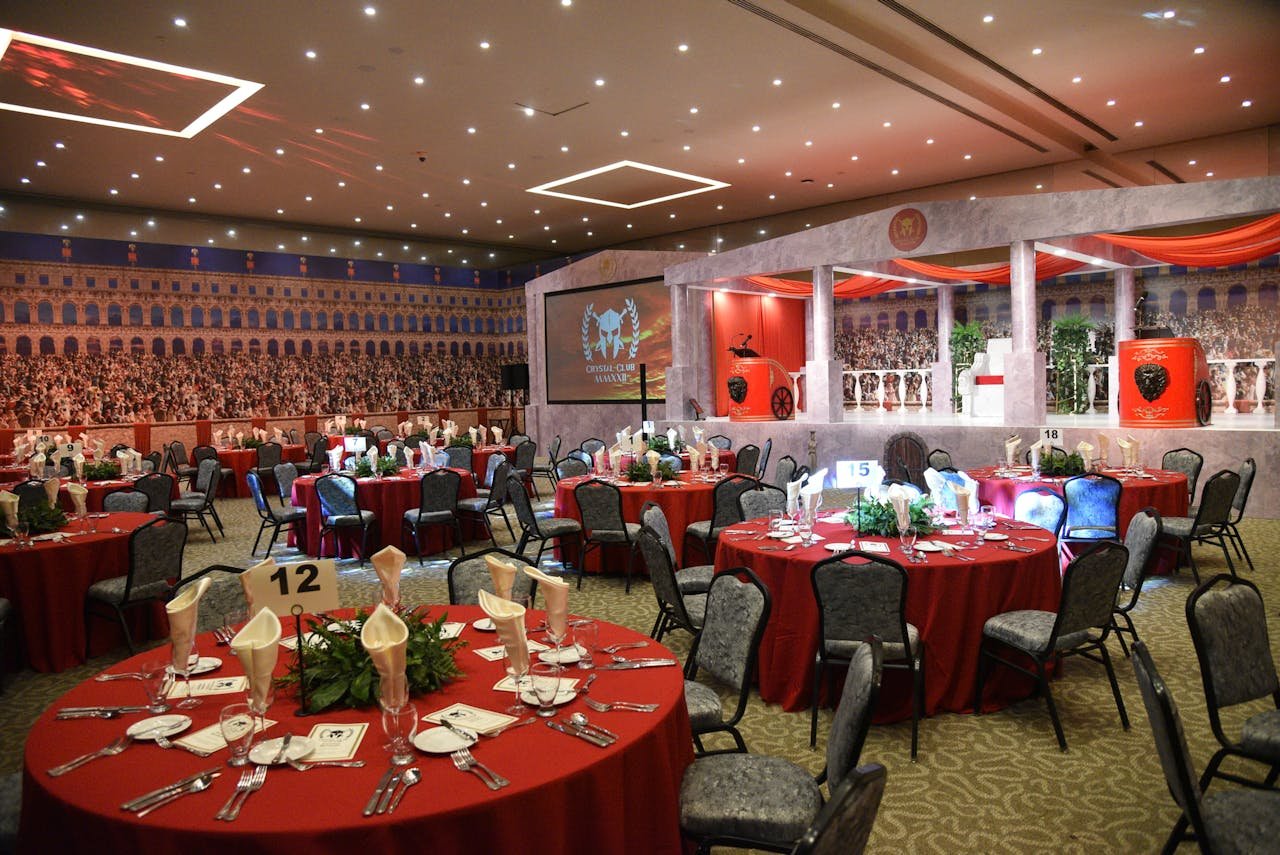
Planning a successful corporate event isn’t just about creativity and logistics. It’s about control, especially when it comes to money. A seasoned corporate event planner knows that a well-managed budget can make the difference between a seamless experience and a costly misstep. While many assume event budgets are straightforward, professionals rely on practical strategies to keep costs down without sacrificing quality.
Here are the budgeting secrets that experienced planners use to stay ahead.
Start With Clear Priorities
Every event has goals. It might be brand visibility, client engagement, or internal recognition. A skilled corporate event planner begins by identifying what matters most. Instead of spreading the budget thin across every detail, they allocate more funds to high-impact areas.
For example, if networking is the main objective, investing in a comfortable venue layout and quality catering makes more sense than spending heavily on elaborate decor. Knowing where to spend and where not to is the first real advantage.
Build a Flexible Budget, Not a Fixed One
One common mistake is treating a budget as rigid. In reality, flexibility is essential. Costs shift, opportunities come up, and unexpected expenses appear.
A professional corporate event planner builds in contingency funds, usually around 10 to 15 per cent of the total budget. This buffer allows adjustments without stress. It also prevents last-minute compromises that can hurt the overall experience.
Leverage Vendor Relationships
Experienced planners rarely pay full price. Over time, they build strong relationships with vendors, venues, caterers, AV teams, and more. These relationships often lead to better rates, added perks, or priority service.
A well-connected corporate event planner might secure complimentary upgrades, extended hours, or bundled services simply by knowing the right people. This isn’t about cutting corners. It’s about maximising value through trust and repeat business.
Choose Dates Strategically
Timing has a direct impact on cost. Peak seasons and popular days like Fridays or weekends often come with premium pricing.
Smart planners look for off-peak opportunities. Hosting an event midweek or during a less busy season can significantly reduce venue and vendor costs. A strategic corporate event planner understands that small scheduling changes can unlock major savings.
Track Every Expense in Real Time
Budgeting doesn’t stop after planning. It requires constant monitoring.
Professional planners use detailed tracking systems to record every expense as it happens. This real-time visibility helps them stay within budget and quickly adjust if something starts to exceed expectations.
A disciplined corporate event planner doesn’t wait until the end to review costs. They stay on top of numbers from start to finish.
Focus on Cost Per Attendee
Instead of looking only at total expenses, experienced planners break costs down per attendee. This approach provides a clearer picture of value.
For instance, a high overall budget might seem excessive, but if the cost per guest is reasonable given the experience, it can still be justified. A skilled corporate event planner uses this metric to balance quality and efficiency.
Avoid Overproduction
It’s easy to overspend on elements that look impressive but add little value. Over-the-top decorations, unnecessary giveaways, or excessive entertainment can quickly drain a budget.
A thoughtful corporate event planner focuses on meaningful details instead. Clean design, good lighting, and a well-structured program often create a stronger impact than expensive extras.
Negotiate Everything
Negotiation is a core skill in event planning. Prices are rarely fixed, and there’s almost always room for adjustment.
Experienced planners don’t just accept initial quotes. They ask for alternatives, compare options, and request custom packages. A confident corporate event planner knows that even small discounts across multiple vendors can lead to significant savings.
Repurpose and Reuse Assets
Not everything needs to be built from scratch. Many event elements can be reused or adapted.
Signage, digital content, stage setups, and even decor can often serve multiple purposes. A resourceful corporate event planner looks for ways to extend the life of each asset, reducing the need for new spending.
Measure ROI, Not Just Costs
The final secret goes beyond budgeting itself. It’s about understanding return on investment.
A successful event isn’t defined only by staying under budget. Results measure it, leads generated, relationships strengthened, or brand impact achieved.
An experienced corporate event planner evaluates both financial efficiency and event outcomes. This broader perspective ensures that every dollar spent contributes to a meaningful goal.
Final Thoughts
Budgeting for corporate events is more than simple number management. It’s a strategic process that blends planning, negotiation, and adaptability. The best results come from knowing where to invest, where to save, and how to stay flexible along the way.
By applying these insider strategies, any corporate event planner can deliver high-quality events without unnecessary overspending. The key is not just controlling costs, but making every decision count.
