
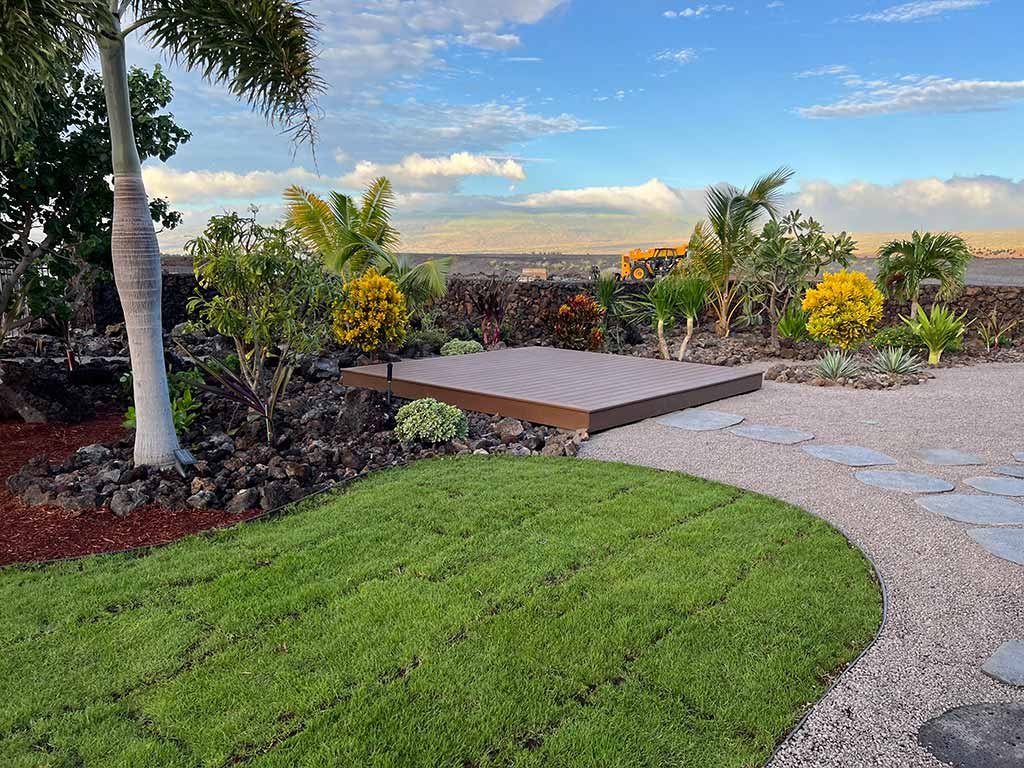
The structure of the modern household is changing rapidly. Economic pressures and shifting cultural norms are leading to a significant rise in multi-generational living, where grandparents, parents, and young children all share the same property. This dynamic living arrangement requires a home that can cater to vastly different physical needs and daily routines. When modifying a property for this purpose, the exterior space must not be overlooked. A standard garden, designed with only one age group in mind, quickly becomes a source of conflict or remains entirely unused by half the family. A forward-thinking landscaping company hawaii understands that designing for multi-generational living requires creating a highly adaptable, physically inclusive environment that fosters connection while still allowing for necessary privacy.
The fundamental challenge in these designs is balancing extreme energy with the need for absolute safety. Young children require open, robust spaces to run, play, and expend energy safely. Simultaneously, elderly family members need level, hazard-free surfaces to walk on and quiet, shaded areas to sit and relax without being constantly bumped into. The solution lies in clear spatial zoning. The garden must be physically divided into distinct areas, separated by soft planting borders or low architectural walls. The active play zone, perhaps featuring a durable lawn and secure play equipment, should be situated away from the quiet, paved seating areas intended for reading or peaceful conversation. These distinct zones allow different generations to use the garden simultaneously without interfering with one another.
Accessibility must be built into the core structure of the garden, not added as an afterthought. Gravel paths, steep stairs, and narrow walkways are completely impractical for both pushchairs and walking frames. The primary circulation routes connecting the house to the various garden zones must be paved with smooth, slip-resistant materials. These paths need to be wide enough to accommodate two people walking side-by-side or a wheelchair turning comfortably. Furthermore, any changes in ground level should be managed with very gradual, clearly marked ramps rather than stairs. Designing for maximum accessibility ensures that every member of the family, regardless of their physical mobility, can navigate the entire property independently and safely.
The choice of planting must also reflect the diverse needs of the household. Thorny bushes, toxic ornamental plants, and heavily pollen-producing trees must be entirely excluded to protect young children and individuals with respiratory issues. Instead, the focus should be on sensory, interactive, and highly durable planting. Raised vegetable and herb beds are an excellent inclusion, providing a safe, accessible activity that multiple generations can enjoy together. Grandparents can teach grandchildren how to grow food without having to kneel on the ground, fostering a meaningful connection through a shared, gentle task. The garden should provide opportunities for cooperative engagement rather than just passive viewing.
Privacy is a crucial component of a harmonious multi-generational home. When many people share one property, individuals occasionally need a space to retreat and find solitude. Designing small, secluded seating areas, completely screened by dense, evergreen planting or attractive timber trellises, provides these necessary quiet zones. These hidden pockets within the larger garden offer a place for a private phone call, a quiet cup of tea, or simply a moment of separation from the busy household. Providing these distinct private areas prevents the garden from feeling like a crowded, inescapable communal park.
Lighting plays a vital role in extending the usability and safety of the space into the evening. Elderly residents require very clear, even illumination along all pathways to prevent trips and falls after dusk. Installing low-level, glare-free path lights and ensuring all entranceways are brightly lit is a critical safety measure. This thoughtful lighting design allows everyone to use the garden comfortably and safely, regardless of the time of day.
Designing for a multi-generational family is about creating an environment of profound respect and inclusion. By carefully planning distinct zones, ensuring absolute accessibility, and providing opportunities for both shared activities and private retreat, the garden becomes the true heart of the home. It becomes a space that supports and enriches the lives of every single resident.
Conclusion
A multi-generational garden must balance the need for active play spaces with the requirement for safe, accessible relaxation areas. By creating distinct functional zones, installing wide, smooth pathways, and incorporating raised beds for shared activities, the outdoor space accommodates everyone safely. This inclusive design approach fosters family connection while respecting individual needs for privacy and ease of movement.
Call to Action
Ensure your outdoor space safely and comfortably accommodates every member of your family. Contact our inclusive design specialists today to discuss creating a beautiful, functional garden tailored for multi-generational living.
