
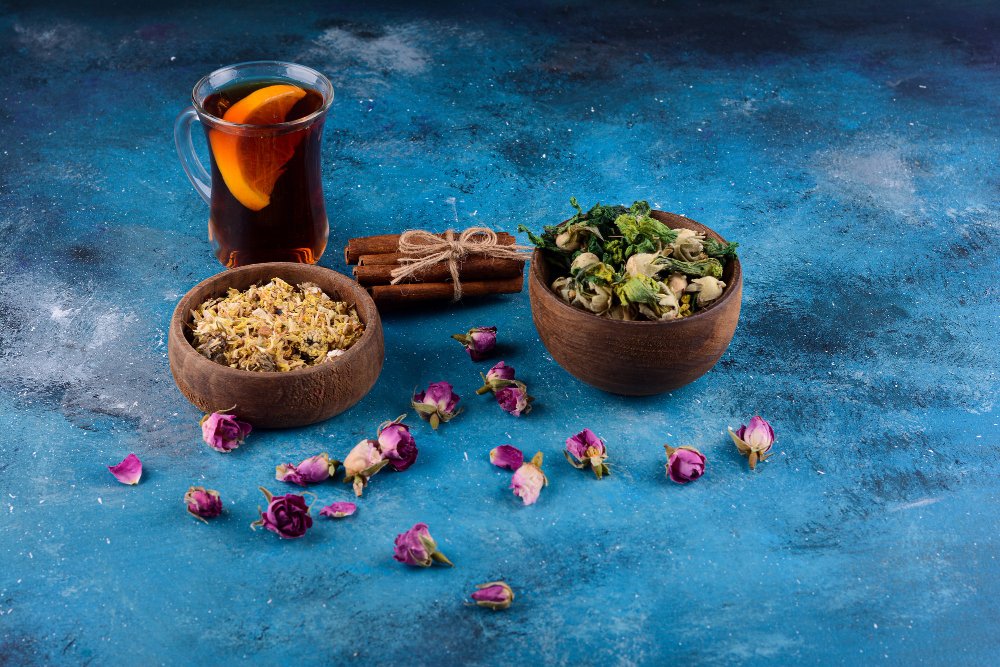
Beauty and wellness teas have become more than a warm drink in a pretty cup. For many people, they are part of a daily self-care ritual, a calming pause, and a natural way to support overall well-being. These herbal blends often combine flowers, leaves, roots, spices, and fruits that have been valued for generations in traditional wellness practices.
From skin-focused blends to calming nighttime infusions, herbal teas are loved for their flavor, aroma, and feel-good benefits. While they are not magic cures, they can complement a balanced lifestyle that includes hydration, nutritious food, proper sleep, movement, and mindful routines.
What Are Beauty and Wellness Teas?
Beauty and wellness teas are botanical blends created to support self-care goals such as relaxation, digestion, hydration, skin radiance, and daily balance. Some blends are caffeine-free, while others include green tea or other naturally caffeinated ingredients for a gentle energy lift. Products like goddess collection tea are often marketed around feminine wellness, ritual, beauty, and holistic self-care themes.
These teas usually include herbs, flowers, spices, and roots selected for both taste and traditional wellness appeal. A beauty tea may feature antioxidant-rich ingredients, while a wellness tea may focus on calm, digestion, or immune-supporting herbs. The best blends are thoughtfully balanced so they taste enjoyable while fitting easily into a daily routine.
Why Herbal Ingredients Are Used in Beauty Teas
Herbal ingredients are popular in beauty and wellness teas because they bring together flavor, aroma, color, and function. Many herbs contain antioxidants, plant compounds, vitamins, or minerals that support general wellness. Others are included for their calming, warming, refreshing, or soothing qualities.
Another reason herbal teas are so appealing is the ritual they create. Preparing a cup of tea can slow the pace of the day, encourage hydration, and help people feel more connected to their wellness goals. For beauty-focused consumers, this ritual often feels luxurious, natural, and intentional.
Common Herbal Ingredients in Beauty and Wellness Teas
Hibiscus
Hibiscus is one of the most eye-catching ingredients in herbal tea blends. It creates a deep ruby-red infusion and has a tart, fruity flavor that pairs beautifully with berries, citrus, rosehips, and mint. In beauty teas, hibiscus is often included because it is naturally rich in antioxidants and has a refreshing taste.
Its bright color also gives a blend visual appeal, which matters in premium wellness products. A hibiscus tea can feel vibrant, feminine, and energizing, making it a favorite ingredient in blends designed around glow, hydration, and beauty rituals.
Rose Petals and Rosehips
Rose is strongly connected with beauty, softness, and elegance, so it naturally fits into beauty and wellness teas. Rose petals add a gentle floral aroma and a soothing drinking experience. They are often used in calming blends or teas designed to feel romantic and luxurious.
Rosehips, the fruit of the rose plant, are commonly valued for their vitamin C content and tangy flavor. In wellness blends, rosehips are often paired with hibiscus, orange peel, or berries. For brands creating feminine self-care products, goddess collection tea can be positioned with rose-based ingredients to create a graceful, beauty-centered experience.
Chamomile
Chamomile is one of the most familiar herbs in wellness teas. Known for its gentle floral taste and calming reputation, it is often used in bedtime teas, stress-support blends, and relaxation rituals. Many people drink chamomile in the evening to unwind after a busy day.
In beauty and wellness routines, rest is essential. Poor sleep and daily stress can affect how a person feels and looks. This is why chamomile is often included in teas connected to inner balance, calm energy, and nighttime self-care.
Green Tea
Green tea is a classic ingredient in beauty-focused blends because it is naturally rich in antioxidants. Unlike many herbal ingredients, green tea contains caffeine, although usually less than coffee. This makes it a popular choice for morning or midday wellness teas.
Green tea has a fresh, slightly grassy flavor and blends well with mint, lemon, jasmine, ginger, and berries. In beauty marketing, it is often associated with skin wellness, metabolism support, and clean energy. It is a strong option for people who want a tea that feels both refreshing and functional.
Nettle Leaf
Nettle leaf has an earthy, green flavor and is often used in herbal blends focused on nourishment. Traditionally, nettle has been valued for its mineral content and is commonly found in teas related to hair, skin, and overall vitality.
Although nettle may not have the sweet or floral taste of other herbs, it adds depth and a wellness-forward character to tea blends. It pairs well with peppermint, lemon balm, dandelion, and green tea.
Dandelion Root
Dandelion root is frequently used in detox-style and digestion-support teas. It has a roasted, slightly bitter flavor that can remind some people of coffee or earthy herbal tonics. In wellness blends, dandelion root is often chosen for its traditional connection to liver and digestive support.
For beauty teas, digestion and internal balance are common themes. A blend featuring dandelion root can appeal to customers looking for a grounding, cleansing, and ritual-based tea experience. In the middle of a thoughtful wellness routine, goddess collection tea may include roots like dandelion to create a deeper, more functional profile.
Burdock Root
Burdock root is another earthy ingredient often used in traditional herbal wellness. It appears in many skin-focused herbal formulas and is commonly paired with dandelion, nettle, licorice root, or ginger.
Its flavor is grounding and slightly sweet, making it a useful base ingredient in blends that aim to feel nourishing rather than delicate. Burdock root is often associated with clarity, balance, and long-term wellness rituals.
Turmeric
Turmeric is known for its golden color and warm, earthy taste. It is widely used in wellness teas because of its association with inflammation support and overall vitality. In tea blends, turmeric is often paired with ginger, cinnamon, lemon, or black pepper.
Because turmeric has a bold flavor, it needs careful blending. When balanced correctly, it creates a warming and comforting tea that feels especially suitable for colder months, evening routines, or wellness resets.
Ginger
Ginger is spicy, warming, and deeply popular in wellness teas. It is often used in blends designed for digestion, immunity, circulation, and comfort. Its bold taste makes it an excellent partner for turmeric, lemon, honey, cinnamon, and green tea.
In beauty and wellness products, ginger adds energy and warmth. It can make a tea feel more active and functional, especially for people who enjoy stronger herbal flavors.
Lavender
Lavender brings a spa-like quality to tea blends. Its floral aroma is instantly calming and is often used in nighttime teas, stress-support blends, and relaxation rituals. Lavender pairs well with chamomile, lemon balm, rose, mint, and vanilla.
Because lavender can taste strong if overused, it works best in balanced formulas. A small amount can make a blend feel luxurious, peaceful, and emotionally soothing.
Other Ingredients Used for Flavor and Function
Many beauty and wellness teas also include supportive ingredients that improve both taste and purpose. Lemon peel adds brightness and freshness. Peppermint supports a cooling, clean flavor and is often linked with digestion. Cinnamon adds natural sweetness and warmth. Licorice root provides a sweet taste and is often used in throat-soothing blends. Spearmint offers a softer mint flavor that works well in feminine wellness teas.
These ingredients may not always be the star of the blend, but they help create a more enjoyable tea-drinking experience.
How to Choose the Right Beauty or Wellness Tea
When choosing a tea, start with your wellness goal. For calm and sleep, look for chamomile, lavender, or lemon balm. For a beauty-focused antioxidant blend, consider hibiscus, rosehips, green tea, or berries. For digestion, ginger, peppermint, dandelion root, and fennel are common choices.
It is also important to check the ingredient list. A quality tea should be transparent about what it contains. If you are sensitive to caffeine, avoid blends with green tea or black tea. If you are pregnant, breastfeeding, taking medication, or managing a health condition, speak with a healthcare professional before using herbal blends regularly.
Final Thoughts
Herbal ingredients make beauty and wellness teas flavorful, aromatic, and meaningful. From hibiscus and rosehips to chamomile, ginger, turmeric, and lavender, each ingredient brings its own personality to a blend. Some herbs add color and elegance, while others provide warmth, calm, freshness, or nourishment.
The true value of these teas is not only in the ingredients but also in the ritual. A daily cup can encourage hydration, mindfulness, relaxation, and a more intentional approach to self-care. When paired with a balanced lifestyle, beauty and wellness teas can become a simple yet powerful part of feeling good from the inside out.
