
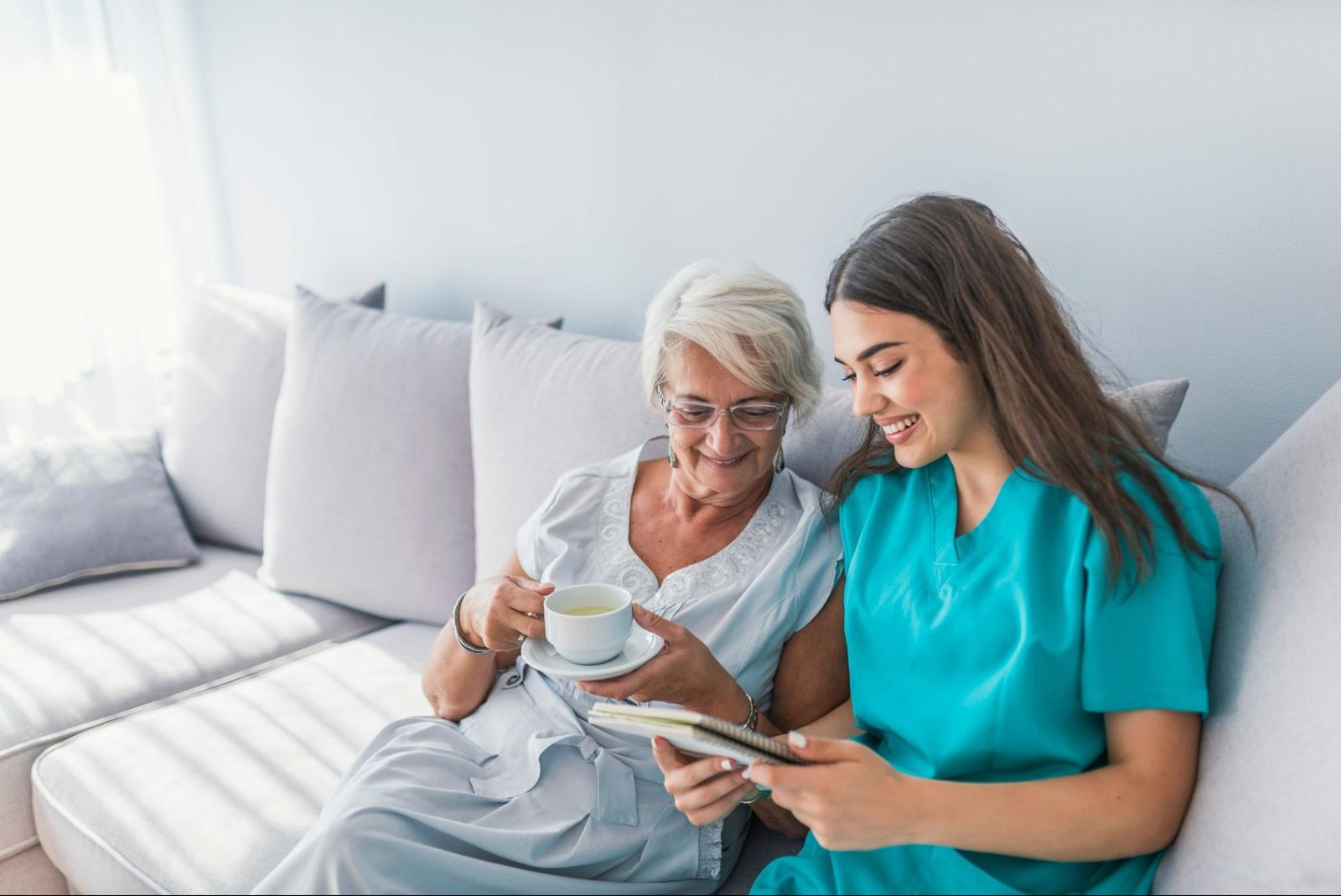
Home Care in Warren, OH plays an important role in helping older adults continue living safely and comfortably in their own homes. Many seniors prefer aging in familiar surroundings because it supports emotional stability and daily routine. Home care services provide structured assistance with personal needs while preserving independence and dignity. Seniors receive help with health, mobility, and household tasks without losing control over their lifestyle choices. Families benefit from reassurance knowing that their loved ones are supported, safe, and able to remain in a familiar environment that promotes long-term well-being.
Elderly Independence Clearly
Elderly independence refers to a senior’s ability to manage daily activities while still having access to support when needed. It includes personal decision-making, movement, hygiene, and participation in everyday routines. Independence does not require complete self-reliance; instead, it focuses on maintaining control over life choices. Home care strengthens this concept by providing assistance based on individual ability levels. Seniors are supported only where needed, allowing them to continue performing tasks they can manage while receiving help in areas that are difficult or unsafe.
Emotional Strength and Mental Stability
Emotional health plays a major role in maintaining independence among older adults. Staying at home allows seniors to remain in a familiar environment filled with memories, comfort, and routine. This reduces confusion and emotional stress. Home care providers also offer companionship, which helps reduce loneliness and isolation. Regular social interaction improves mood, mental clarity, and motivation. When emotional stability is strong, seniors feel more confident in handling daily tasks. This emotional support directly contributes to maintaining independence for a longer period of time.
Encouraging Participation in Daily Activities
Home care promotes independence by encouraging seniors to actively participate in their daily routines. Caregivers assist with tasks such as dressing, grooming, bathing, and eating while allowing seniors to complete steps they are able to handle. This approach builds confidence and preserves dignity. Instead of taking over responsibilities completely, caregivers provide guidance and support. Seniors remain involved in decision-making and daily actions. This participation strengthens physical ability and mental confidence, helping them maintain independence while still receiving necessary assistance.
Safe Assistance with Household Responsibilities
Daily household tasks can become difficult for aging individuals, but home care ensures these responsibilities remain manageable. Caregivers assist with cooking, cleaning, laundry, and organizing the home environment. These services maintain cleanliness and safety without removing personal choice or control. Seniors are still involved in decision-making regarding routines and preferences. This balance ensures comfort while reducing physical strain. A well-maintained home environment supports independence by allowing seniors to move freely and safely without unnecessary risks or obstacles.
Health Monitoring and Medical Support
Health management is essential for maintaining independence in older adults. Home care providers assist with medication reminders, appointment scheduling, and routine monitoring. Caregivers observe changes in behavior, appetite, or mobility that may indicate health concerns. Early identification helps prevent serious complications. Consistent health monitoring ensures seniors follow medical plans correctly. This structured support reduces hospital visits and improves overall stability. Seniors remain independent while still receiving professional oversight that keeps their health conditions properly managed.
Mobility Assistance and Physical Safety
Mobility support is a key part of home care services. Many seniors face challenges with walking, standing, or moving safely around their homes. Caregivers assist with movement while encouraging safe physical activity. This includes help with walking, transferring, and balance support. Such assistance reduces the risk of falls and injuries. Seniors are guided rather than restricted, which helps maintain physical strength and coordination. Improved mobility allows continued participation in daily activities, strengthening independence and confidence in movement.
Emotional Support Through Companionship
Companionship is an important part of home care that directly supports independence. Regular interaction with caregivers helps reduce feelings of loneliness and isolation. Conversations, shared activities, and emotional support improve mental well-being. Seniors who feel emotionally supported are more likely to remain active and engaged in their daily lives. Companionship also helps maintain cognitive function by encouraging communication and mental stimulation. This emotional connection builds trust and confidence, allowing seniors to maintain independence in a supportive and caring environment.
Maintaining Safety in the Home Environment
A safe living environment is essential for independent living. Home care providers assess the home for potential hazards such as slippery floors, poor lighting, or cluttered walkways. Safety improvements like grab bars, proper lighting, and organized spaces reduce accident risks. Caregivers also monitor daily activities to prevent unsafe situations. These adjustments allow seniors to move freely and confidently within their homes. A secure environment reduces fear and uncertainty, making it easier for seniors to maintain independence while living safely.
Supporting Family Members and Reducing Stress
Home care also supports family members who are responsible for elderly care. Many families face challenges balancing caregiving with work and personal responsibilities. Professional caregivers help share this responsibility, reducing stress and preventing burnout. Communication between families and caregivers ensures coordinated care and consistency. This teamwork approach improves overall care quality. Families gain peace of mind knowing their loved ones are supported. Seniors benefit from continuous care while still maintaining independence within a structured support system.
Promoting Long-Term Independent Living
Long-term independence depends on consistent care, safety, and emotional stability. Home care provides a balanced system that supports seniors over time. Regular assistance, health monitoring, and companionship help maintain both physical and mental well-being. Seniors are able to stay in their homes longer without losing control over their lifestyle. This approach promotes dignity, comfort, and stability. Long-term home care ensures that independence is not only maintained but strengthened as needs change with age.
Conclusion:
Home care creates a supportive environment where elderly individuals can maintain independence while receiving necessary assistance. It combines personal care, safety support, emotional stability, and health monitoring into one structured system. Seniors remain active participants in their own lives while living safely at home. Families benefit from reduced stress and improved care coordination. This balanced approach ensures that aging does not mean loss of independence but rather a supported and dignified way of living at home.
