
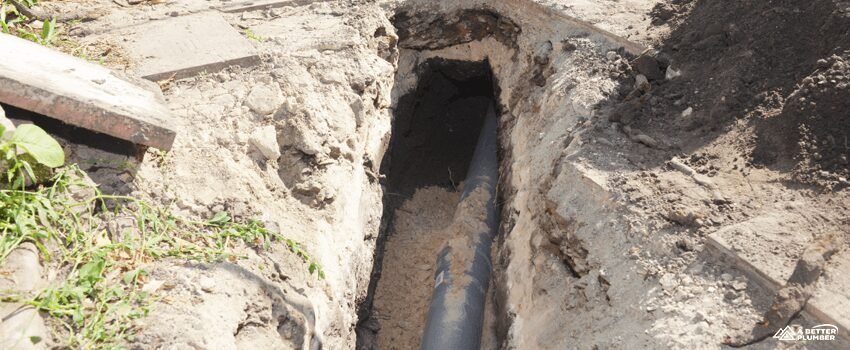
Sewer main excavation services is often viewed as an extreme measure for plumbing issues, but in many cases, it’s a necessary solution to serious drainage problems and recurring backups. While it may sound like a disruptive process, sewer main excavation is a proven way to restore proper functionality to your plumbing system. In this blog, we’ll explore what sewer main excavation is, how it works, and why it can be the best solution for fixing drainage and backup issues.
What Is Sewer Main Excavation?
Sewer main excavation is the process of digging up and accessing the sewer line that connects your home’s plumbing system to the municipal sewer system or a septic tank. Over time, sewer lines can become damaged or clogged due to factors like age, tree root intrusion, corrosion, or accumulation of debris. When these issues can’t be solved with traditional cleaning or repair methods, excavation may be necessary to fix or replace sections of the sewer line.
The excavation process typically involves digging along the length of the sewer line to expose it, identifying the problem, and repairing or replacing damaged sections. While this may sound like a significant undertaking, it’s often the most effective way to address persistent drainage and backup issues.
Why Sewer Main Excavation Is Necessary
Sewer main excavation is not always the first step when a plumbing issue arises, but there are several scenarios where it becomes essential. Here are the primary reasons why sewer main excavation may be needed:
1. Tree Root Intrusion
One of the most common reasons for sewer line blockages is tree root intrusion. Tree roots naturally seek out moisture, and they can infiltrate pipes that are already weakened or cracked. Once inside the sewer line, the roots grow and cause clogs that impede the flow of wastewater. In some cases, tree roots can even completely block the pipe, resulting in wastewater backups and potential damage to the line.
If traditional methods like hydro-jetting or snaking aren’t enough to remove the roots, sewer main excavation may be necessary to remove the affected pipe section and replace it.
2. Pipe Corrosion or Damage
Over time, sewer pipes made of older materials such as clay, cast iron, or steel can begin to corrode or degrade. This corrosion weakens the pipes, making them more susceptible to cracks, holes, and collapses. When this happens, wastewater can leak out, causing issues like flooding, foul odors, and even structural damage to your property.
Excavating the sewer main allows plumbers to access and replace the corroded or damaged pipes, ensuring that your system is functioning correctly and preventing further damage.
3. Debris Buildup
Debris like grease, soap scum, hair, and food particles can accumulate inside your sewer line over time, gradually narrowing the pipe and restricting water flow. This buildup can eventually cause blockages, leading to slow drains, standing water, and sewage backups.
While routine maintenance such as drain cleaning or hydro-jetting can help alleviate some of these issues, in extreme cases, sewer main excavation may be required to remove debris that cannot be cleared with other methods.
4. Collapsed or Broken Pipes
Pipes can collapse or break due to factors such as shifting soil, heavy construction, or poor installation. When a pipe collapses or breaks, the flow of wastewater is completely obstructed, causing severe backups and flooding.
In these situations, excavation is necessary to locate the break or collapse, repair the pipe, and restore proper drainage to the property.
How Sewer Main Excavation Resolves Drainage and Backup Issues
Now that we understand why sewer main excavation is sometimes necessary, let’s dive into how the process helps resolve common drainage and backup issues.
1. Clearing Blockages
The most obvious reason for sewer main excavation is to clear blockages that are affecting the flow of wastewater. When traditional methods like snaking or hydro-jetting can’t solve the problem, excavation gives plumbers direct access to the sewer line, allowing them to remove the obstruction completely. Whether it’s tree roots, debris, or damaged pipes, excavation allows for thorough clearing and repair.
In cases where the blockage is caused by tree roots or a collapsed pipe, excavation allows the plumber to remove the affected section and replace it with a new, more durable pipe.
2. Preventing Future Blockages
Sewer main excavation also addresses the root cause of recurring blockages. For example, if tree roots have infiltrated the sewer line, excavation allows the plumber to remove the affected section and replace it with a root-resistant material such as PVC or HDPE (high-density polyethylene). This prevents future root intrusion and minimizes the risk of blockages in the future.
Similarly, if the sewer line is corroded or deteriorated, excavation gives plumbers the opportunity to replace the entire section with more durable materials that are less prone to damage.
3. Restoring Proper Drainage
In many cases, drainage problems occur due to a partial blockage or damage in the sewer main that restricts the flow of wastewater. Even if the system seems to work, it may be operating at a reduced capacity, leading to slow drains, gurgling sounds, and potential backups.
Sewer main excavation restores the system to full capacity by addressing the issue at its source. Whether it’s clearing a stubborn clog, replacing damaged sections of pipe, or fixing broken joints, excavation ensures that the entire system functions properly, allowing for free-flowing wastewater and improved drainage.
4. Avoiding Expensive Property Damage
If left unchecked, drainage and backup issues can cause significant damage to your property. Sewage backups can lead to water damage, mold growth, and even structural damage to your foundation. By addressing sewer main issues early through excavation, you can avoid these expensive problems and protect your property from long-term damage.
5. Improved Hygiene and Odor Control
One of the less-discussed benefits of sewer main excavation is the improvement in hygiene and odor control. A backed-up or damaged sewer line can cause unpleasant smells and unsanitary conditions due to wastewater leakage or stagnant water. Excavating the sewer main and replacing damaged pipes eliminates these issues and restores proper drainage, leading to a cleaner and healthier living environment.
The Sewer Main Excavation Process
Sewer main excavation may sound like a complex and invasive process, but it is carried out in a series of steps to ensure efficiency and minimal disruption to your property. Here’s an overview of what to expect during the process:
- Assessment and Diagnosis A professional plumber will first assess the situation and determine if excavation is necessary. This may involve using a camera inspection system to examine the sewer line and identify the root cause of the issue.
- Excavation Once the problem is identified, the plumber will dig along the length of the sewer line to expose the pipes. This process involves careful digging to minimize damage to your landscaping and property.
- Repair or Replacement After the pipes are exposed, the plumber will repair or replace the damaged section. If tree roots are the issue, they may remove the affected pipe and replace it with a more durable material.
- Restoration After the repair or replacement is complete, the area is backfilled, and the soil is compacted. Your plumber will restore the area to its original condition as much as possible.
When Should You Consider Sewer Main Excavation?
While sewer main excavation is effective, it’s also a significant undertaking. It’s typically considered when less invasive methods (such as hydro-jetting or snaking) have been unsuccessful, and there are clear signs of severe damage or blockage in the sewer line.
Here are a few signs that sewer main excavation may be necessary:
- Frequent backups: If you’ve experienced multiple sewage backups, it could be a sign that there is a serious issue with your sewer main.
- Slow drains: If your drains are consistently slow, even after cleaning, it may indicate a deeper problem in the sewer line.
- Unpleasant odors: Foul smells around your drains or yard could be the result of a sewer line leak or clog.
- Gurgling sounds: Gurgling noises from your drains can indicate air trapped in the pipes due to blockages.
Conclusion
Sewer main excavation may be a big job, but it is often the best solution for resolving persistent drainage and backup issues. Whether you’re dealing with tree roots, pipe corrosion, debris buildup, or collapsed pipes, excavation allows for thorough repair and restoration of your plumbing system.
If you’re experiencing drainage problems that won’t go away, consider consulting with a professional plumber to assess your sewer line. Proactive excavation can save you from costly repairs and prevent future plumbing nightmares.
For expert sewer main excavation services, Acme Sewer & Drain Cleaning is here to help. Our team of professionals can assess your plumbing system, diagnose issues, and perform the necessary excavation and repairs to restore your drains to full functionality. Contact us today to schedule a consultation!
