
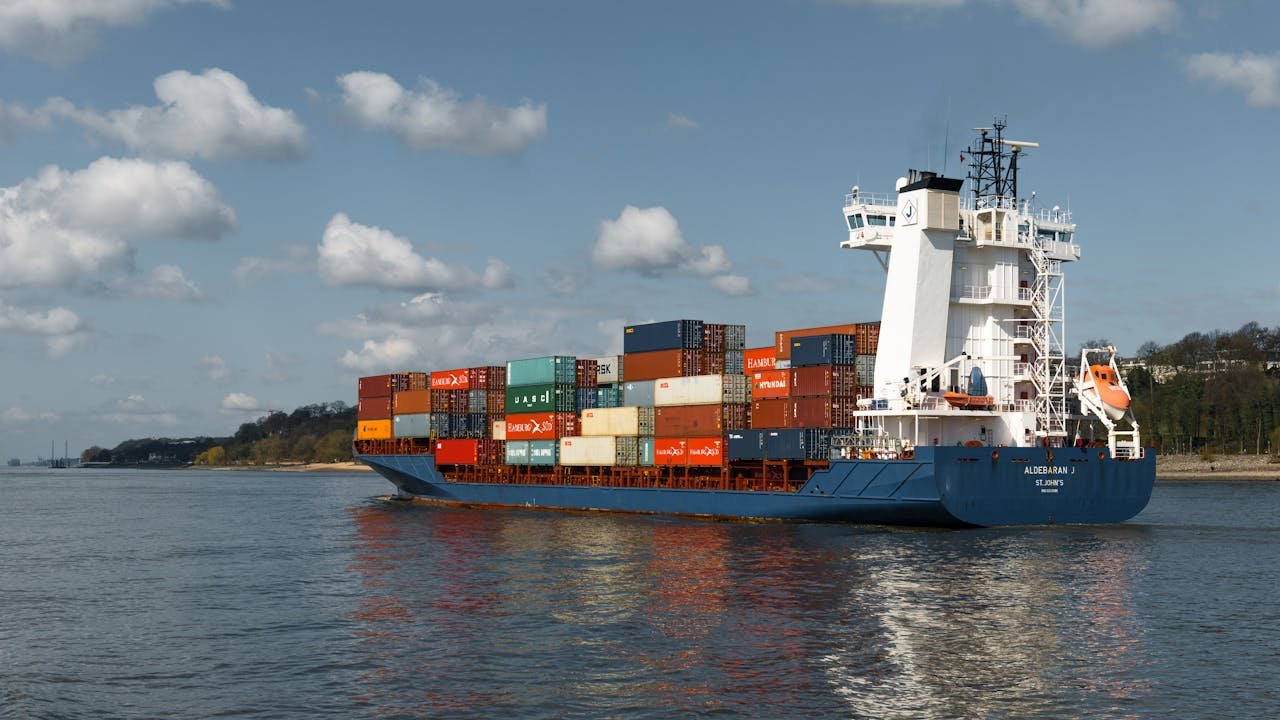
Moving products internationally offers big rewards. However, trouble often tags along. Hiccups like late arrivals, damaged packages, stolen cargo, and even legal nightmares might drain profits fast. Still, smart prep work plus solid protection steps usually keep those setbacks small.
A solid plan starts long before cargo hits the water. Think ahead to shield your products and company from early risks. This approach lays out straightforward steps without extra noise. Protection begins on land, not at sea. Each move matters when avoiding costly setbacks. Stay alert from the loading point onward. Simple actions now prevent bigger issues later.
Know What Could Go Wrong
Knowing what’s involved comes first if you want lower risk. Moving goods across borders means many steps, each of which brings different problems.
Common risks include:
- Physical damage during handling or transit
- Loss or theft of goods
- Customs delays or rejections
- Incorrect documentation
- Supplier or carrier errors
- Political or weather-related disruptions
Starting at the beginning and moving through each step of how goods move lets you notice trouble spots before they grow. When it becomes clear where delays might pop up, fixes start making sense.
Choose Reliable Partners
Shipment safety often depends on who handles it along the way. Freight movers, transport companies, and agents clearing goods through borders each matter. Even those sending materials before they’re shipped can affect the outcome.
Picking the lowest price might save pennies today. Consider this instead: what lasts longer often costs less over time
- Proven track record in international shipping
- Strong customer reviews or referrals
- Clear communication and transparency
- Experience with your type of goods
When things shift unexpectedly, a solid partner handles more than just transport. Mistakes that drain budgets? They spot them early. Paperwork problems show up on their radar before delays hit. Routing options get reviewed, not handed down. If trouble appears, response time shrinks without being asked. Movement of cargo blends with quiet oversight.
Fix Your Documents
Missing details on forms often slow down shipments. Sometimes mistakes bring penalties, goods get held up or taken away.
Make sure you prepare:
- Commercial invoices
- Packing lists
- Bills of lading
- Certificates of origin
- Import/export permits if required
Mistakes often slip through when you least expect them. A number alone being off, or a label that doesn’t match what’s inside, might stall things far from home.
Start by finding someone familiar with the rules on both ends. A customs expert can guide when things feel unclear. Their knowledge helps avoid missteps across borders.
Proper Packaging Matters
A solid box stands between your product and harm. When goods travel across oceans, they pass through many hands, and each one has a chance for trouble. Tough wrapping must survive bumps, drops, and even rain. Protection begins long before arrival, right at the start of the journey.
Best practices include:
- Using durable and high-quality materials
- Securing items during shipping. Straps hold contents steady through bumps.
- Things stay fixed when fastened right. Bouncing around stops if packed tightly.
- Movement fades once objects are anchored well. Shifting ends after everything is secured firmly
- Labelling boxes clearly with handling instructions
- Protecting goods from moisture and temperature changes
A skipped shortcut today could mean extra expenses tomorrow when items arrive broken. Choosing thinner materials may seem smart now, yet dents and cracks tend to pile up the bill fast.
Track and Monitor with Tools
Ships today show their location more clearly than in past years. Because of this, knowing where cargo is becomes easier.
Tracking tools allow you to:
- Monitor shipment location in real time
- Detect delays early
- Communicate updates to customers
- Plan for arrival and distribution
Fresh readings matter most when shipping delicate cargo. Temperature shifts, bumps, or damp air can spoil the batch. Think twice if moving phones, meds, or perishables; tiny trackers inside boxes whisper warnings before damage spreads.
Shipment Insurance Protection
Mistakes happen no matter how ready you are. This is the reason why having marine liabilities insurance matters.
Ships carry goods across oceans. When things go wrong out there, having protection matters. Coverage kicks in if cargo gets harmed or disappears during transit. Sometimes, unexpected events lead to financial responsibility falling on the owner. Protection handles those moments, too. Sea transport brings risks nobody plans for.
A safety net helps when waves turn rough or paperwork causes trouble. Damage might happen due to weather, handling, or delays. Legal issues can pop up even if it is not your fault. This kind of policy covers what others do not.
One wrong wave could leave you paying everything out of pocket unless coverage steps in. When things go sideways at sea, having a safety net means fewer sleepless nights.
When choosing a policy, make sure you understand:
- What counts
- What does not apply comes next
- The claims process
- Coverage limits
Looking around at different options might show what works best for how you send things. Sometimes a closer look reveals small differences worth noticing.
Understand Incoterms Clearly
Shipping rules decide which party handles fees, dangers, and insurance along the way. Confusion here often brings arguments or surprise charges.
For example:
- Beyond certain conditions, the seller carries the weight up to the point things arrive
- Once the items leave the warehouse, someone else passes the risk over to the person receiving them
- Right from the start, knowing exactly what each side must do under the selected Incoterm matters. When misunderstandings pop up mid-journey, clear terms keep things moving without blame games.
Customs and Compliance Planning
Not every nation runs imports the same way; slip up, shipments might stall or fines hit. Customs demands differ everywhere; ignore them at your risk.
To reduce this risk:
- Research the destination country’s regulations
- Check for restricted or prohibited items
- Ensure proper classification and valuation of goods
When you team up with seasoned customs experts, things tend to go more smoothly. Mistakes that cost money? They often get sidestepped. Experience on your side changes how it all unfolds.
Build a Contingency Plan
When things are well planned, surprises might still pop up. A spare option lets you move fast without panic taking over.
Your contingency plan might include:
- Alternative shipping routes or carriers
- Inventory in key markets
- Emergency contacts for logistics partners
- Clear internal procedures for handling delays or damage
Bouncing back quicker starts with getting ready ahead of time. Those who plan stick closer to their customers when things go sideways.
Final Thoughts
Starting things off right means getting ready well ahead of time. Details matter most when labels, forms, and records line up without gaps. A solid team beside you makes hurdles easier to move past. Packaging built tough stands up to rough handling across distances. Paperwork done clean avoids delays at borders. Good planning links each piece so nothing falls through. Trust comes from choosing helpers who’ve moved cargo like yours before.
When things go wrong at sea, having coverage makes all the difference. This kind of protection keeps money problems small, even if accidents happen far from shore. Seasoned shippers treat it like air, something they simply cannot do without during any transport plan.
Finding strength in careful moves, shipping feels steadier when risks are lowered day by day. Profit stays safer because small efforts add up behind the scenes. Working across borders grows tougher over time only if you ignore what’s already within reach.
