
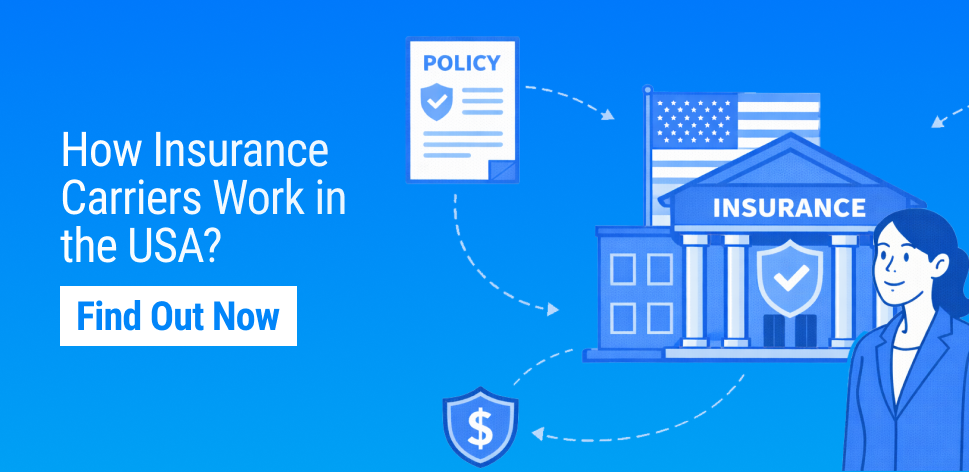
In modern insurance operations, insurance carriers are the foundation of how risk is managed, policies are issued, and claims are fulfilled. Within the United States insurance industry, carriers operate under strict state-level regulations and are responsible for maintaining both financial stability and regulatory compliance.An insurance carrier is a licensed insurance company that underwrites risk, issues policies, collects premiums, and pays claims while complying with state laws. Unlike agencies or brokers, carriers are the entities that assume financial responsibility for coverage and must maintain reserves to support policy obligations.Because of this responsibility, insurance carriers must manage complex compliance systems. These systems ensure that all producers, agencies, and distribution partners meet licensing and appointment requirements before engaging in insurance transactions.
Core Responsibilities of Insurance Carriers
Insurance carriers perform several critical functions that support the entire insurance ecosystem. Their responsibilities extend beyond policy issuance and include operational, financial, and compliance-related tasks.
Key functions include:
- Underwriting risk using actuarial models
- Designing and issuing insurance products
- Collecting premiums and managing reserves
- Processing and paying claims
- Ensuring regulatory compliance across all operating states
Carriers are legally responsible for the insurance contract and must ensure that every policy they issue aligns with regulatory standards. This makes compliance a core operational function rather than a secondary process.
Insurance Compliance in Multi-State Operations
Insurance compliance refers to meeting regulatory requirements related to licensing, appointments, and operational processes. In the United States, each state regulates insurance independently, creating a complex compliance environment.
Insurance organizations must manage:
- Producer licensing across multiple jurisdictions
- Carrier appointment approvals and renewals
- Regulatory reporting requirements
- Ongoing monitoring of compliance status
A producer must be both licensed and appointed before selling insurance. Without proper authorization, any sale is considered non-compliant. This requirement highlights the importance of accurate license tracking and appointment management.
Many insurance organizations rely on centralized compliance platforms like Agenzee to manage these workflows efficiently.
Producer Licensing and Code Management Explained
Producer licensing is a foundational requirement in the insurance industry. A producer must hold an active license in each state where they conduct business. Carriers are responsible for verifying this information before granting authority.
A producer code is a unique identifier assigned by a carrier to track a producer’’s activities, commissions, and compliance status.
Why is producer code management important?
- It connects producers with carriers
- It ensures accurate commission tracking
- It supports compliance verification
- It enables structured reporting
Without proper producer code tracking, insurance organizations may face inconsistencies in data and increased compliance risks. Maintaining accurate producer management is essential in regulated environments.
Carrier Appointments and Authorization Workflow
Carrier appointments are a key component of insurance compliance. An appointment authorizes a producer to represent a carrier and sell its products legally.
A typical appointment workflow includes:
- Verifying the producer’’s license through systems like NIPR
- Submitting an appointment request to the state
- Assigning a producer code
- Activating the appointment
- Monitoring renewal timelines and compliance status
Regulatory guidelines require that appointments remain active at all times. If an appointment lapses, the producer cannot legally sell insurance products.
Insurance carriers must maintain accurate and up-to-date appointment records to ensure compliance. Automation platforms like Agenzee simplify this process by centralizing data and providing real-time visibility.
Operational Challenges in Insurance Compliance
As insurance carriers expand across multiple states, compliance management becomes increasingly complex. Many organizations still rely on manual processes or disconnected systems, which can lead to inefficiencies.
Common challenges include:
- Missed license renewal deadlines
- Delayed appointment approvals
- Inconsistent or duplicate producer data
- Limited visibility into compliance status
In regulated environments, these issues can result in penalties, audits, and reputational risks. Industry best practices recommend adopting centralized compliance systems to address these challenges effectively.
Streamline your operations with a modern insurance compliance platform to simplify licensing, appointments, and producer management.
The Role of Automation in Insurance Compliance
Insurance automation has become essential for managing compliance in modern operations. Manual systems are no longer sufficient for organizations operating at scale.
Automation enables:
- Real-time license tracking
- Streamlined appointment workflows
- Centralized producer management
- Automated compliance reporting
Modern platforms like Agenzee function as insurance compliance software and producer management systems. They help carriers, agencies, and MGAs manage licensing and appointments efficiently while reducing operational risk.
According to industry insights, structured workflows and integrated systems are necessary to manage underwriting, compliance, and policy administration effectively.
Why Compliance Systems Drive Business Growth
Compliance is not only a regulatory requirement but also a driver of operational efficiency and business growth. Insurance carriers that manage licensing and appointments effectively can scale faster and reduce risk.
Direct business impacts of poor compliance include:
- Revenue loss from inactive or delayed appointments
- Slower onboarding of producers
- Increased regulatory penalties
- Reduced operational efficiency
Many insurance organizations now treat compliance systems as core infrastructure rather than back-office processes. Centralized platforms improve visibility, ensure accuracy, and support long-term scalability.
For a deeper understanding of how insurance carriers operate, refer to this detailed guide:
https://agenzee.com/what-is-an-insurance-carrier-definition-role-and-examples-in-the-usa/
Conclusion
Insurance carriers are the backbone of the U.S. insurance industry, responsible for underwriting risk, issuing policies, and ensuring compliance with regulatory requirements. Managing producer licensing, carrier appointments, and producer codes is essential for maintaining operational integrity.As regulatory complexity continues to increase, insurance organizations must adopt automation-driven solutions. Platforms like Agenzee provide the tools needed to streamline compliance workflows, reduce risk, and support scalable growth in regulated environments.
