
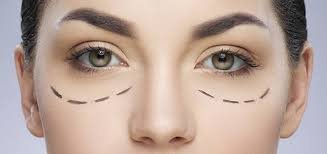
The under-eye area is one of the first places where signs of ageing, tiredness, and stress tend to appear. Puffiness, under-eye bags, loose skin, and shadows beneath the eyes can make the face look older, fatigued, or less refreshed than you feel. While creams and non-surgical treatments may help to a degree, they often cannot fully correct prominent under-eye bags caused by ageing tissues and fat displacement.
This is where Lower Blepharoplasty in London can offer a more effective and long-lasting solution. Lower eyelid surgery is designed to improve the appearance of the under-eye area by addressing puffiness, sagging skin, and excess fat. When performed by an experienced surgeon, the procedure can restore a smoother, firmer, and more youthful contour beneath the eyes while still looking natural.
If you are considering Lower Eyelid Surgery In London, it is important to understand how the treatment works, who it is suitable for, and what you can expect before and after surgery. In this guide, we explain the causes of under-eye bags, how lower blepharoplasty treats them, and why choosing a trusted Blepharoplasty Clinic in London such as bodyvie clinic can make all the difference.
What Is Lower Blepharoplasty?
Lower blepharoplasty is a surgical procedure that focuses on the lower eyelids and under-eye area. It is commonly performed to reduce eye bags, remove or reposition excess fat, tighten loose skin, and create a smoother transition between the lower eyelid and the cheek.
As the face ages, the tissues around the eyes naturally weaken. Fat that once sat neatly around the eye can begin to bulge forward, creating the appearance of under-eye bags. At the same time, skin loses elasticity, muscles weaken, and the under-eye area may start to look hollow, puffy, or creased.
Lower Blepharoplasty in London is designed to address these concerns in a precise and tailored way. Depending on the patient’s anatomy and goals, surgery may involve removing excess skin, tightening the lower eyelid, or repositioning under-eye fat to improve contour and reduce puffiness.
The result is a fresher, smoother, and more rested appearance without changing the natural character of the face.
What Causes Under-Eye Bags?
Under-eye bags are very common and can develop for several reasons. Although they are often associated with ageing, they can also be influenced by genetics, lifestyle, and skin quality.
Ageing
One of the most common causes of under-eye bags is the natural ageing process. Over time, the muscles and tissues that support the eyelids weaken, and the skin loses collagen and elasticity. This can allow fat to protrude forward, creating puffiness and fullness under the eyes.
Genetics
Some people develop under-eye bags at a younger age because of inherited facial structure or fat distribution. Even if you sleep well and take care of your skin, genetics can still play a significant role in how the under-eye area looks.
Skin Laxity
As skin becomes thinner and less firm, it can start to sag and crease. This often makes under-eye puffiness appear more noticeable and can contribute to a tired-looking appearance.
Fluid Retention and Lifestyle Factors
Poor sleep, stress, dehydration, allergies, and salt intake can make the under-eye area look more swollen. However, if the puffiness is caused by fat bulging or loose skin, lifestyle changes alone are unlikely to solve the problem completely.
How Lower Blepharoplasty Treats Under-Eye Bags
The main aim of Lower Eyelid Surgery In London is to restore a smoother, more youthful lower eyelid contour by treating the structural causes of under-eye bags. The exact technique used depends on your concerns and anatomy, but treatment generally focuses on one or more of the following:
Removal or Repositioning of Fat
Under-eye bags are often caused by fat pads pushing forward beneath the lower eyelid. During lower blepharoplasty, the surgeon may remove a small amount of excess fat or reposition it to create a smoother contour. In many modern techniques, fat is preserved and redistributed rather than simply removed, helping to avoid a hollow appearance.
Tightening Loose Skin
If the lower eyelid skin is crepey or sagging, a small amount of excess skin may be removed to improve firmness and smoothness. This can help reduce wrinkles and improve the overall appearance of the under-eye area.
Supporting the Lower Eyelid
In some patients, the lower eyelid may need additional support to improve tone and position. This can help maintain a natural result and reduce the risk of the eyelid pulling downward during healing.
By tailoring the surgery to the individual, Lower Blepharoplasty in London can provide a more balanced and refreshed appearance that still looks like you.
Who Is a Good Candidate for Lower Blepharoplasty?
Lower eyelid surgery may be suitable for men and women who are bothered by persistent under-eye bags, puffiness, or loose skin beneath the eyes. Good candidates are generally in good overall health, have realistic expectations, and understand that surgery improves the under-eye area but does not stop ageing altogether.
You may be a suitable candidate for Lower Eyelid Surgery In London if you have:
- Noticeable under-eye bags that do not improve with rest or skincare
- Puffiness caused by protruding fat beneath the eyes
- Loose or wrinkled lower eyelid skin
- A tired, aged, or heavy under-eye appearance
- Hollowing or contour irregularities beneath the eyes
A consultation at a reputable Blepharoplasty Clinic in London is the best way to determine whether lower blepharoplasty is the right option for you. During this appointment, your surgeon will examine the lower eyelids, assess your skin quality, and discuss the most suitable treatment plan based on your concerns.
What Happens During the Consultation?
Before booking Lower Blepharoplasty in London, you will usually attend a detailed consultation. This is an essential part of the process because it allows the surgeon to assess your anatomy, understand your goals, and explain what kind of result can realistically be achieved.
During your consultation, the surgeon may:
- Review your medical history and current health
- Ask about eye conditions, allergies, medications, and previous surgery
- Examine the lower eyelids, under-eye bags, skin laxity, and facial balance
- Discuss whether you would benefit from fat repositioning, skin tightening, or a combination of both
- Explain the surgical technique, recovery, and possible risks
- Take clinical photographs for planning and comparison
A consultation at bodyvie clinic should leave you with a clear understanding of the procedure, expected outcome, and recovery timeline so that you can make an informed decision.
How Is Lower Blepharoplasty Performed?
There are different surgical approaches to lower blepharoplasty, and the best option depends on whether the main issue is fat bulging, skin laxity, or both.
External Incision Technique
When there is excess skin to remove, the surgeon may place a fine incision just below the lower lash line. Through this incision, fat can be removed or repositioned, loose skin can be tightened, and the lower eyelid contour can be improved. Once healed, the scar is usually very discreet.
Internal Incision Technique
If the main problem is under-eye puffiness caused by fat, but there is little or no excess skin, the surgeon may use an internal incision inside the lower eyelid. This is known as a transconjunctival approach. Because the incision is hidden inside the eyelid, there is no visible external scar.
The most suitable technique for Lower Eyelid Surgery In London depends on your anatomy, age, skin quality, and treatment goals. A personalised approach is essential for achieving natural-looking results.
What to Expect Before Surgery
Once you decide to go ahead with treatment, you will be given instructions on how to prepare for surgery. These may vary slightly depending on your surgeon and the details of your procedure, but generally include:
Stopping Certain Medications
You may need to avoid medications and supplements that can increase bleeding, such as aspirin, anti-inflammatory medication, or certain herbal remedies.
Avoiding Smoking
Smoking can slow healing and increase the risk of complications, so patients are usually advised to stop smoking before and after surgery.
Planning Recovery Time
You should plan some time away from work and social activities while the initial swelling and bruising settle. It is also wise to arrange for someone to accompany you home after surgery.
Preparing at Home
Having cold compresses, prescribed medication, and a comfortable place to rest can make the first few days of recovery easier.
Recovery After Lower Blepharoplasty
Recovery after Lower Blepharoplasty in London varies from person to person, but most patients can expect some swelling, bruising, and mild discomfort during the early healing period.
The First Few Days
The under-eye area may feel tight, puffy, or slightly sore. Bruising and swelling are common and can sometimes extend into the upper cheek area. You may also experience temporary dryness, watering, or mild sensitivity.
Using cold compresses, keeping your head elevated, and following your aftercare instructions carefully can help manage these symptoms.
One Week After Surgery
If external stitches have been used, they may be removed around one week after the procedure. Swelling and bruising are often still visible at this stage, but usually improving. Many patients start to feel more comfortable going out after the first week, although some prefer to wait a little longer.
Two Weeks and Beyond
By two weeks, the under-eye area usually looks much better, and most of the visible bruising has faded. Residual swelling can take longer to settle, but the results will continue to improve over the following weeks. Final healing and scar maturation take time, so patience is important.
What Results Can You Expect?
One of the biggest benefits of Lower Blepharoplasty in London is that it treats the structural causes of under-eye bags rather than simply masking them. When the swelling has settled, patients often notice:
- A smoother and firmer under-eye contour
- Reduced puffiness and eye bags
- Less heaviness beneath the eyes
- A fresher, less tired appearance
- Better balance between the lower eyelid and cheek
The goal of surgery is not to make you look dramatically different, but to restore a more rested and youthful version of yourself. A successful result should look natural and in harmony with the rest of your face.
Are the Results Permanent?
Lower blepharoplasty offers long-lasting improvement, and in many cases the results remain visible for many years. The fat removed or repositioned during surgery will not simply return in the same way. However, the natural ageing process continues, which means the skin and surrounding tissues will still change gradually over time.
Maintaining a healthy lifestyle, protecting the skin from sun exposure, and following good skincare habits can help preserve your results for longer.
Will There Be Scars?
If your surgery involves an external incision, the scar is usually placed just below the lower lash line and tends to heal very well. In many cases, it becomes barely noticeable once fully healed. If the surgery is performed through an internal incision, there is no visible external scar at all.
Your surgeon will explain which technique is best for you and what kind of healing you can expect.
Why Choose a Specialist Blepharoplasty Clinic in London?
The eye area is delicate, and lower eyelid surgery requires a high level of precision, experience, and aesthetic judgement. Choosing a specialist Blepharoplasty Clinic in London is important not only for safety, but also for achieving a refined and natural result.
When researching clinics, look for:
- Surgeons with experience in eyelid surgery and facial aesthetics
- A personalised consultation process
- Honest discussion of what surgery can achieve
- Clear guidance on recovery and aftercare
- A focus on subtle, balanced results rather than an overdone appearance
At bodyvie clinic, patients can expect a professional and patient-focused approach, with treatment plans tailored to the structure of the face and the specific concerns of the under-eye area.
Conclusion
Under-eye bags can have a significant impact on facial appearance, often making you look tired, older, or less refreshed than you feel. While non-surgical treatments may help in some cases, they cannot always correct the structural causes of under-eye puffiness and loose skin. That is why Lower Blepharoplasty in London remains one of the most effective treatments for patients who want a smoother, firmer, and more youthful under-eye contour.
By removing or repositioning fat, tightening loose skin where necessary, and improving the lower eyelid contour, Lower Eyelid Surgery In London can create long-lasting and natural-looking results. The key is choosing an experienced surgeon and a trusted Blepharoplasty Clinic in London that understands both the technical and aesthetic aspects of eyelid surgery.
If under-eye bags are affecting your confidence or making you look constantly tired, a consultation with bodyvie clinic can help you explore whether lower blepharoplasty is the right solution for you.
FAQs About Lower Blepharoplasty in London
1. What is lower blepharoplasty?
Lower blepharoplasty is a surgical procedure that improves the appearance of the lower eyelids by treating under-eye bags, puffiness, loose skin, and excess fat.
2. Who is a good candidate for Lower Blepharoplasty in London?
Good candidates are generally healthy adults who have persistent under-eye bags, puffiness, or loose skin that does not improve with skincare or lifestyle changes.
3. Does Lower Eyelid Surgery In London remove dark circles?
Lower blepharoplasty can improve shadows caused by puffiness or contour irregularities, but it may not fully treat all types of dark circles, especially those caused by pigmentation.
4. How long does lower blepharoplasty take?
The procedure typically takes around one to two hours, depending on the surgical technique and whether additional procedures are being performed.
5. Is the recovery painful?
Most patients experience mild discomfort, tightness, swelling, and bruising rather than significant pain. Your surgeon will provide guidance on managing recovery comfortably.
6. Will I have scars after lower blepharoplasty?
If an external incision is used, the scar is usually placed just below the lash line and tends to heal very discreetly. If an internal incision is used, there is no visible external scar.
7. How long does it take to recover from Lower Blepharoplasty in London?
Most patients need around 10 to 14 days for the initial recovery period, although residual swelling can take longer to fully settle.
8. Are the results of lower blepharoplasty permanent?
The results are long-lasting because the procedure addresses the underlying cause of under-eye bags. However, the natural ageing process will continue over time.
9. Can lower blepharoplasty be combined with other treatments?
Yes, in some cases lower blepharoplasty may be combined with upper eyelid surgery, brow lift procedures, or selected non-surgical treatments depending on your goals.
10. How do I choose the right Blepharoplasty Clinic in London?
Choose a clinic with experienced eyelid surgeons, a strong consultation process, transparent advice, and a focus on safe, natural-looking results. A consultation with bodyvie clinic can help you understand the best treatment plan for your needs.
