
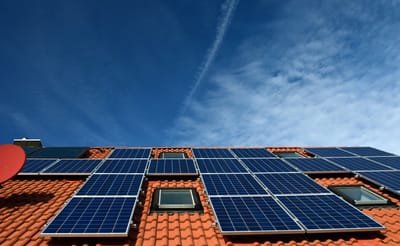
Watching a team of solar technicians finish securing clean energy panels to your roof is an exciting moment. It represents a transition away from absolute utility dependence toward long-term financial self-reliance. However, many property owners in Central and Southeast Texas mistakenly believe that the moment the installation crew packs up their tools and leaves the driveway, their work is completely finished. In reality, the physical construction of a photovoltaic array is merely the first phase of an ongoing property asset lifecycle.
The unique climatic and regulatory landscapes of Austin and Houston demand a calculated approach to the post-installation phase. From managing the bureaucratic red tape of grid activation to mitigating the physical stress caused by severe Gulf Coast humidity, flash floods, and North Texas hail events, what you do immediately after your system is built dictates your total return on investment. Protecting this premium electrical hardware requires a localized understanding of electrical logistics and a strategic partnership with qualified providers of solar panel repair and maintenance near me.
The Critical Waiting Period: Navigating the Interconnection Phase
The single most common source of frustration for new solar owners in Texas is the mandatory waiting period between physical construction completion and official system activation. It is incredibly tempting to flip the main breaker on your inverter the second the crew leaves your property. Doing so, however, can result in severe financial penalties and structural safety violations. Your system cannot legally or safely feed electricity into the local grid until you have been granted formal Permission to Operate (PTO) by your regional electrical utility.
Solar Permit Solutions
The path to PTO varies significantly depending on whether you live in the Austin or Houston metro areas. For residents within the municipal limits of Austin, your system interfaces directly with Austin Energy, a vertically integrated city-owned utility. In Houston, the infrastructure is managed by CenterPoint Energy, operating within the deregulated ERCOT marketplace. In both regions, your system must pass a rigorous municipal electrical inspection to verify that all rapid-shutdown safety mechanisms, grounding rods, and structural conduit lines comply exactly with the National Electrical Code.
Once the city inspector signs off, the utility must reprogram or replace your existing home electrical meter with a specialized bidirectional smart meter. If you turn your system on before this meter is active, a standard mechanical or digital meter will fail to distinguish between power you are importing and power you are exporting. It will simply register all electrical flow as consumption, effectively charging you money for the clean energy you send out to the neighborhood. Relying on your developer to manage the documentation and working with a local professional to ensure no technical communication drops occur is the best way to accelerate this multi-week administrative process.
Environmental Threats to Lone Star State Solar Hardware
Once your system is officially online and active, it is immediately exposed to some of the most volatile and brutal environmental conditions in North America. Texas weather does not treat sensitive electronic equipment gently. For Houston homeowners, the primary adversary is ambient atmospheric stress. The intense, relentless humidity of the Gulf Coast region, combined with corrosive salt air, accelerates the degradation of low-grade framing materials, causing premature oxidation of exposed electrical junctions. Furthermore, Houston’s torrential downpours can expose micro-fissures in weathered conduit insulation, leading to system-wide ground faults that shut down entire inverter strings.
In contrast, Austin homeowners frequently battle extreme thermal cycling and severe weather anomalies. The rapid shift from freezing winter temperatures to triple-digit summer heat causes the aluminum racking systems holding your panels to expand and contract dramatically. Over time, this mechanical movement can slowly loosen structural mounting fasteners and lag bolts, compromising the wind-load rating of the entire array. Additionally, Central Texas sits directly in the path of severe spring storm corridors that regularly produce large-scale hail, which can cause micro-fracturing across silicon solar wafers that reduces your overall power output long before the tempered glass completely shatters.
Beyond atmospheric threats, biological factors represent a massive, overlooked hazard in both major Texas metros. The local wildlife—specifically squirrels, pigeons, and roof rats—view the safe, shaded space beneath a warm solar array as an ideal nesting ground. These pests will chew directly through heavy-duty direct current wiring insulation to build their nests. This doesn’t just reduce your system’s power generation; it creates a severe fire hazard directly on top of your shingles. Regularly inspecting the perimeter of your array and retaining professional solar panel repair and maintenance near me to install protective physical barriers like critter guards is essential to protecting your physical property and your clean energy investment.
Establishing a Rigorous Post-Installation Maintenance Routine
To maximize the multi-decade operational lifespan of your clean energy hardware, you must transition from a passive consumer to an active asset manager. This starts by leveraging the digital monitoring software integrated into your modern inverter platform, such as Enphase Enlighten or SolarEdge Monitoring. Homeowners should establish a habit of checking their production logs at least once a week. Rather than simply looking at the total monthly energy bill, look for sudden drop-offs in individual panel performance, which frequently signal localized shading issues, severe soil accumulation, or a failing microinverter.
Physical cleanliness is another critical factor governing your system’s efficiency. Texas is famous for its agricultural dust, construction particulate, and thick blankets of spring pollen. When these materials settle onto the surface of your array, they create a physical barrier called “soiling” that blocks sunlight from reaching the underlying photovoltaic cells, dropping your system’s total electrical yield by up to fifteen percent. While a heavy Texas rainstorm will rinse away loose dust, it cannot remove baked-on pollen or bird droppings.
When cleaning is required, never use abrasive household chemicals, high-pressure power washers, or rigid brushes, which will permanently scratch the anti-reflective glass coating and instantly void your manufacturer product warranties. Instead, cleanings should be performed early in the morning using low-pressure, deionized water and a soft squeegee. Because climbing onto a steep, wet roof with electrical equipment carries significant personal safety risks, the safest and most effective strategy is to contract these tasks out to certified technicians who specialize in solar panel repair and maintenance near me.
Protecting the Longevity of Your Clean Energy Infrastructure
Investing in a residential solar system is a powerful way to insulate your household from the rising costs and inherent volatility of the Texas electrical grid. However, true energy independence requires long-term operational vigilance. By strictly respecting the utility interconnection process, keeping a watchful eye on local environmental hazards, and maintaining a proactive maintenance schedule, you can ensure that your system operates safely at peak efficiency for the next thirty years. Partnering with localized, highly trained technicians ensures that when severe weather inevitably strikes, your structural roof asset and your premium clean energy investment remain completely secure.
