
Egg donation has helped thousands of individuals and couples achieve their dream of becoming parents. Whether someone is struggling with infertility, has a genetic condition, or is part of the LGBTQ+ community, donated eggs can provide a path to parenthood that may not have been possible otherwise.
If you’re considering becoming an egg donor or simply want to understand how the Egg Donation Process works, it’s important to know what to expect at every stage. From the initial application and medical screening to egg retrieval and recovery, every step is carefully planned to protect the health of the donor while maximizing the chances of a successful pregnancy.
This guide explains the complete process, discusses the requirements for egg donation, outlines the Donating eggs criteria, and explains how Egg donor compensation typically works.
What Is the Egg Donation Process?
The Egg Donation Process is a medical procedure in which a healthy woman donates her eggs to help another person or couple conceive through assisted reproductive technology, usually in vitro fertilization (IVF).
The donated eggs are fertilized with sperm in a laboratory, and the resulting embryo is transferred to the intended parent’s or surrogate’s uterus.
The process involves several medical evaluations, hormone treatments, and a minor outpatient procedure for egg retrieval. Although it requires commitment, the procedure is performed under the supervision of experienced fertility specialists.
Who Can Become an Egg Donor?
Not everyone qualifies to become an egg donor. Fertility clinics carefully evaluate each applicant to ensure the best possible outcomes for both donors and intended parents.
Some common requirements for egg donation include:
- Being in good physical health
- Maintaining a healthy body weight
- Having regular menstrual cycles
- Being a non-smoker
- Having no significant hereditary medical conditions
- Being emotionally prepared for the donation process
- Willingness to complete medical and psychological evaluations
Each fertility clinic may have additional guidelines depending on its medical protocols.
Understanding the Donating Eggs Criteria
The Donating eggs criteria are designed to protect everyone involved while improving the likelihood of a successful pregnancy.
Most clinics evaluate:
Age
Many fertility centers accept donors between 21 and 30 years old because younger donors generally produce healthier eggs.
Medical History
Applicants provide detailed personal and family medical histories to identify possible inherited conditions.
Lifestyle
Healthy habits matter. Clinics often look for donors who avoid smoking, recreational drugs, and excessive alcohol consumption.
Psychological Evaluation
Counseling helps ensure that donors understand the emotional, medical, and legal aspects of donating eggs.
Genetic Screening
Many programs perform genetic carrier testing to reduce the risk of passing inherited disorders to future children.
Meeting the Donating eggs criteria increases the chances of being approved for an egg donation program.
Step-by-Step Egg Donation Process
Understanding each stage of the Egg Donation Process can make the experience feel less overwhelming.
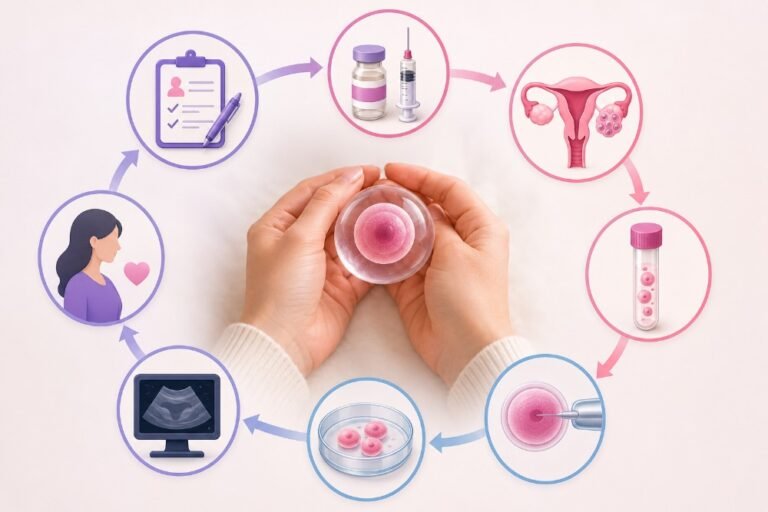
Step 1: Initial Application
The journey begins by completing an application with an egg donation agency or fertility clinic.
Applicants usually answer questions about:
- Personal information
- Medical history
- Education
- Lifestyle
- Family health history
- Physical characteristics
This information helps clinics determine whether the applicant meets the basic eligibility requirements.
Step 2: Medical Screening
If the application is accepted, donors undergo comprehensive medical testing.
This often includes:
- Blood tests
- Hormone evaluations
- Ultrasound examinations
- Infectious disease screening
- Genetic testing
These tests ensure the donor is healthy and medically suitable.
Step 3: Psychological Assessment
Mental and emotional well-being is an important part of the Egg Donation Process.
A licensed counselor or psychologist discusses:
- Emotional readiness
- Understanding of the donation
- Future expectations
- Legal considerations
This step helps donors make informed decisions before moving forward.
Step 4: Legal Agreements
Before treatment begins, legal contracts are signed by all parties.
These agreements typically explain:
- Rights and responsibilities
- Confidentiality
- Compensation
- Future legal protections
Reviewing these documents with an attorney is often recommended.
Step 5: Ovarian Stimulation
When the donor is approved they start taking medicine to help their ovaries make a lot of eggs.
This medicine helps the ovaries make eggs instead of just one egg like they normally do.
The donor has to go to the doctor a lot during this time. They get blood tests and special scans called ultrasounds to see how things are going with the eggs.
Step 6: Monitoring Appointments
Doctors carefully track follicle development.
Monitoring visits allow specialists to:
- Adjust medication doses
- Check hormone levels
- Determine the best retrieval date
- Reduce the risk of complications
This stage usually lasts around 10 to 14 days.
Step 7: Egg Retrieval Procedure
When the eggs are fully grown the doctor will plan a time to take them out.
The woman who is donating her eggs will get some medicine to help her feel more comfortable.
The doctor will use a machine that uses sound waves to help guide a small needle through the wall of the vagina to get the eggs from the ovaries.
This whole thing does not take long usually less, than 30 minutes.
Most of the time the egg donor can go home on the day after the doctors and nurses have watched her for a little while to make sure she is doing okay.
Step 8: Recovery
Recovery is usually quick.
Many donors experience mild:
- Cramping
- Bloating
- Fatigue
- Spotting
These symptoms typically improve within a few days.
Doctors provide detailed aftercare instructions and recommend avoiding strenuous physical activity until fully recovered.
How Long Does the Egg Donation Process Take?
The complete Egg Donation Process can vary depending on individual circumstances.
A typical timeline includes:
- Application review: 1–3 weeks
- Medical screening: 2–4 weeks
- Matching with intended parents: varies
- Hormone treatment: approximately 2 weeks
- Egg retrieval and recovery: several days
From beginning to end, the process may take anywhere from several weeks to a few months.
Is Egg Donation Safe?
Egg donation is generally considered safe when performed by experienced fertility specialists.
Like any medical procedure, there are potential risks, including:
- Temporary discomfort
- Medication side effects
- Mild ovarian swelling
- Rare complications such as ovarian hyperstimulation syndrome (OHSS)
Careful medical monitoring throughout the Egg Donation Process helps minimize these risks.
Discussing any concerns with your fertility specialist before beginning treatment is always recommended.
Understanding Egg Donor Compensation
So you want to know about Egg donor compensation. This is a common question.
Egg donor compensation is given to Egg donors in a lot of programs. This is to say thank you for the Egg donors time and for all the things they have to do.
The Egg donor has to travel and go to appointments and they might feel a little sick for a while.
The amount of Egg donor compensation is different for each person. It depends on things like:
- What the Fertility clinic thinks is fair
- What kind of Donation program it is
- Where the Egg donor lives
- If the Egg donor has done this before
- How time the Egg donor has to give
You should not think of Egg donor compensation as paying for the eggs. It is like a thank you to the Egg donor for all their help and hard work during the Egg donation process. Egg donor compensation is really, about recognizing the Egg donors effort and time.
Benefits of Becoming an Egg Donor
Many women choose egg donation because it offers meaningful personal and practical benefits.
Some advantages include:
- Helping someone build a family
- Comprehensive medical evaluations
- Learning more about personal reproductive health
- Financial compensation
- Personal fulfillment from making a life-changing difference
For many donors, knowing they have helped another family is one of the most rewarding parts of the experience.
Tips Before Starting the Egg Donation Process
If you’re considering becoming a donor, a little preparation can make the journey smoother.
Some helpful tips include:
- Research reputable fertility clinics or agencies.
- Ask questions during consultations.
- Follow all medication instructions carefully.
- Maintain a healthy lifestyle before and during treatment.
- Arrange transportation for the retrieval procedure.
- Allow yourself time to recover after egg retrieval.
Being informed and prepared helps create a more positive experience from start to finish.
Conclusion
The Egg Donation Process is a carefully planned journey that gives hope to intended parents while allowing donors to make a meaningful impact on someone else’s life. Before moving forward, it’s important to understand the process, ask questions, and seek guidance from qualified fertility professionals. Making informed decisions starts with access to reliable information, and HelloHealthBlog is dedicated to providing trusted resources on fertility, women’s health, and family-building to support readers every step of the way.
FAQs
1. What is the Egg Donation Process?
The Egg Donation Process involves screening, hormone treatment, egg retrieval, and recovery to help intended parents conceive through IVF.
2. What are the basic requirements for egg donation?
Most clinics require donors to be healthy, have regular menstrual cycles, meet age guidelines, and complete medical and psychological screenings.
3. How long does the Egg Donation Process take?
The entire process usually takes several weeks to a few months, depending on screening, matching, and treatment schedules.
4. Is egg retrieval painful?
Egg retrieval is performed under sedation, so most donors experience little discomfort during the procedure and recover within a few days.
5. How does Egg donor compensation work?
Egg donor compensation varies by clinic and location and is provided for the donor’s time, commitment, and participation throughout the donation process.
Reference: Understanding Every Stage of the Journey