
Good oral hygiene habits don’t start in the dental chair – they start at home, often much earlier than most parents realize. One of the most common questions in professional pediatrics is: When should a child start using an electric toothbrush?
The answer isn’t a fixed age. It depends on readiness, coordination, and how effectively the child can actually clean their teeth.
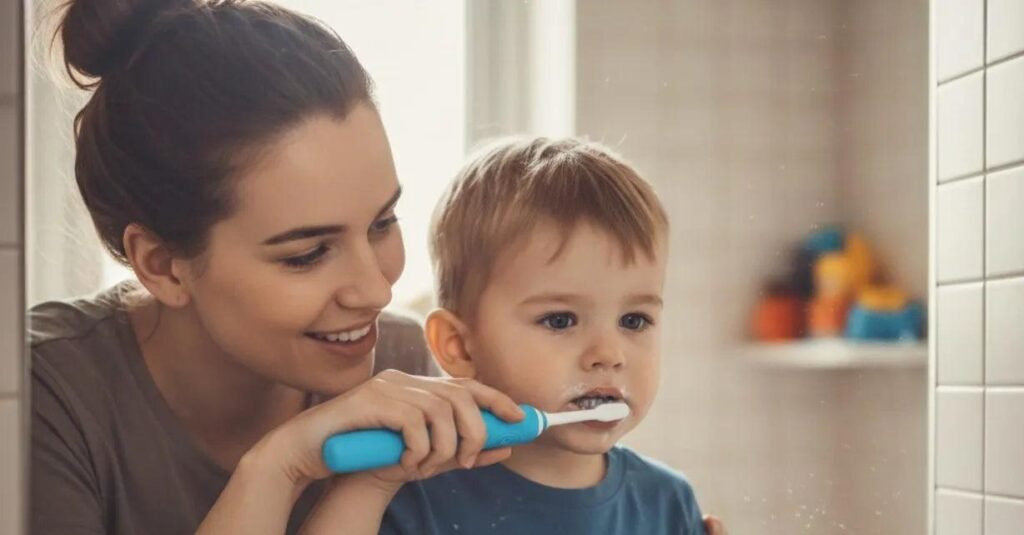
Why Early Oral Care Matters
Baby teeth may be temporary, but their role is essential for long-term oral health. They help with:
- Proper chewing and nutrition
- Speech development
- Guiding permanent teeth alignment
- Preventing early decay and infections
From a pediatric standpoint, early brushing habits significantly reduce future dental issues.
When Should a Child Start Using an Electric Toothbrush?
Rather than focusing on a strict age, pediatric experts recommend a staged approach.
🦷 Ages 3–4: Introduction Phase (Fully Supervised)
At this stage, an electric toothbrush can be introduced gently.
- Parent performs most of the brushing
- Child becomes familiar with vibration and motion
- Focus is comfort and routine building
The goal is exposure, not independence.
🦷 Ages 4–6: Learning and Practice Phase
This is when coordination improves and children start participating more actively.
- Child holds the toothbrush with guidance
- Learns to brush all surfaces of teeth
- Begins following a full 2-minute routine
- Still requires parental checking
In professional pediatrics, this stage is key for habit formation.
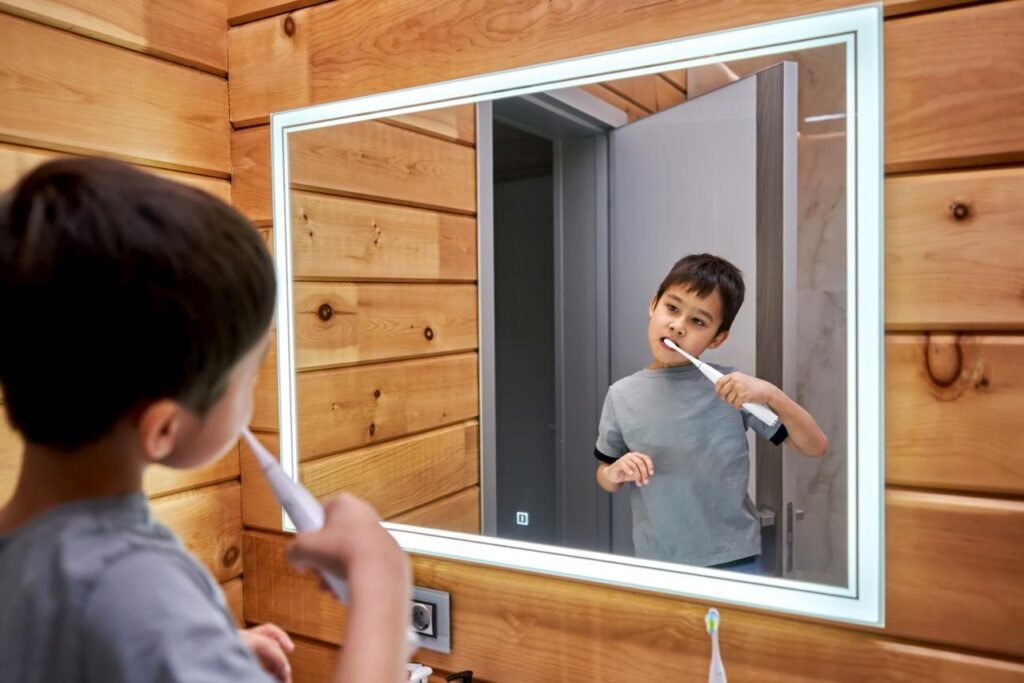
🦷 Age 6+: Developing Independence
Most children begin brushing independently around this stage, but supervision still plays a role.
- Occasional parental checks are important
- Reinforcement of proper technique continues
- Consistency in morning and nighttime brushing is essential
Signs Your Child Is Ready
Instead of relying only on age, look for readiness:
- Can spit toothpaste properly
- Understands simple instructions
- Can stay focused for a full brushing cycle
- Shows interest in brushing independently
- Demonstrates basic coordination
Benefits of Electric Toothbrushes for Children
From a pediatric perspective, electric toothbrushes help by:
- Improving plaque removal efficiency
- Encouraging longer brushing time
- Supporting better consistency
- Reducing reliance on fine motor skills
- Making brushing more engaging for kids
However, they work best when guided properly.
Common Mistakes Parents Should Avoid
Even with electric toothbrushes, mistakes can reduce effectiveness:
- Letting children rush through brushing
- Assuming the toothbrush replaces supervision
- Using oversized brush heads too early
- Skipping nighttime brushing routines
- Not checking for missed areas
Pediatric Perspective on Oral Habits
In professional pediatrics, the goal is not just brushing—it’s building lifelong habits.
The focus is on:
Teaching children how to brush, not just giving them a tool.
Electric toothbrushes support this process, but parental involvement remains essential.
Final Thoughts
Most children are ready to start using an electric toothbrush between ages 3 and 6, depending on their individual development. The key is gradual introduction, consistent supervision, and strong habit-building.
When used correctly, electric toothbrushes can support healthier teeth, fewer cavities, and confident brushing habits that last into adulthood.
Dr. Richard Baxter – Alabama Tongue-Tie Center
2480 Pelham Pkwy, Pelham, AL 35124, United States
Phone: (205) 419-4333 | Email: info@tonguetieal.com
In professional pediatrics, Dr. Richard Baxter and the Alabama Tongue-Tie Center emphasize early oral hygiene education and proper brushing techniques as part of comprehensive pediatric oral health development, ensuring children build strong, lifelong dental habits from an early age.
