
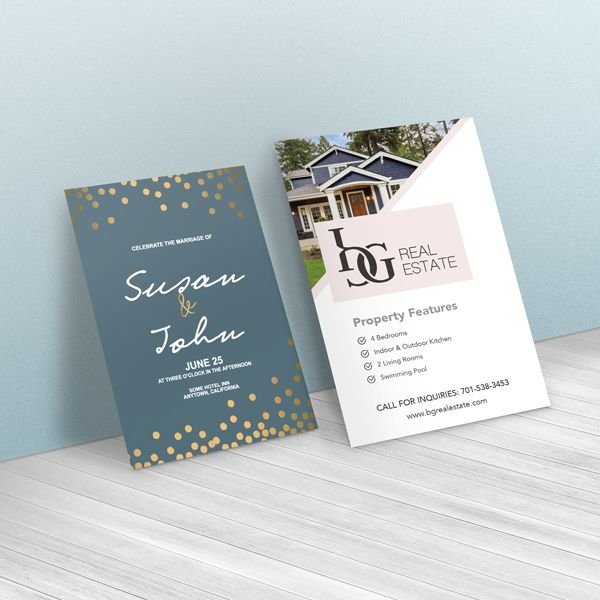
Postcards appear small and simple, yet they carry strong branding power. When used with care, they help brands connect, stay memorable, and grow slowly through meaning rather than noise.
Why Simple Products Create Strong Brand Signals
Simple products are easy to understand. People do not need instructions or effort. This clarity builds confidence. Custom Postcard follow this rule naturally. Their format is familiar to almost everyone.
When a product is simple, the brand message stands out. There is no distraction. The reader focuses on the image and the words. Because of this, the brand feels honest and direct.
Minimalist items also reduce choice fatigue. People feel calm when they interact with them. This calm feeling becomes linked to the brand. Over time, this emotional link grows stronger.
From experience, brands that simplify their products often gain trust faster. They show they respect the customer’s time. Postcards do this well because they ask for only a moment of attention.
Simplicity also helps memory. People remember clear ideas better than complex ones. A postcard delivers one idea at a time. That idea stays longer in the mind.
This is why postcards work as minimalist products. They send a clear signal. The brand feels focused, confident, and human.
The Power of Tangibility in a Digital World
Most brand messages today are digital. They appear and disappear quickly. Postcards are different. They exist in the real world. People can touch them and keep them.
Physical objects create stronger memories. Holding a postcard activates the senses. This makes the message feel more real. As a result, the brand feels closer.
Postcards also slow things down. Reading one takes a pause. That pause gives space for thought. In a fast world, this feels refreshing.
From research and practice, tangible items build deeper recall. People may forget an email. They rarely forget a postcard they kept.
Postcards can sit on desks or walls. Each glance reinforces the brand. This repetition happens without effort.
Because they are physical, postcards also feel more personal. Someone chose to send them. This care reflects positively on the brand.
In a digital age, this physical presence becomes a strength. It helps brands stand out quietly.
Storytelling Through Small, Collectible Pieces
Stories help people connect. Postcards offer a perfect space for short stories. Each card can represent a moment, idea, or place.
When postcards are designed as a series, they invite collection. Each new card adds to the story. People want to see what comes next.
Collecting builds habit. Habit builds loyalty. Over time, the brand becomes part of a routine.
From experience, storytelling works best when it feels natural. Postcards limit space, so stories stay focused. This focus increases impact.
Each postcard can show a different chapter. Together, they form a larger narrative. This long view helps build brand depth.
Collectible storytelling also encourages sharing. People show their collections. They talk about the stories behind them.
Through small pieces, brands can tell big stories. Postcards make this process simple and human.
Visual Identity Made Clear and Consistent
Strong brands are easy to recognize. This comes from visual consistency. Postcards offer a controlled space for design.
The size stays the same. This helps keep layouts consistent. Colors and fonts can repeat across cards. Recognition grows with each new piece.
Minimalist design works best here. Fewer elements guide the eye. The message becomes clear quickly.
From professional experience, consistency builds credibility. People trust what looks stable. Postcards help maintain that stability.
At the same time, small changes keep interest alive. Images can change while core elements stay the same. This balance keeps the brand fresh.
Over time, people recognize the brand without reading the name. This silent recognition shows strong identity.
Postcards act like visual anchors. They hold the brand image steady across time.
Cost Efficiency Without Losing Meaning
Minimalist products often cost less to make. Postcards use limited materials. This helps control spending.
Lower costs allow brands to experiment. New ideas can be tested safely. Feedback can guide future designs.
Postcards are easy to print and store. They do not need complex packaging. This simplicity reduces waste.
From experience, efficient production supports sustainability. Less material means less impact. Many customers value this.
Cost savings do not reduce quality. Good paper and clear print still matter. The focus stays on essentials.
When brands manage costs well, they can invest more in creativity. This balance supports long-term growth.
Postcards prove that meaning does not need high expense.
Scarcity and the Appeal of Limited Releases
Limited items feel special. When postcards are released in small numbers, interest rises. People act faster.
Scarcity increases perceived value. Owners feel proud to have something rare. This feeling strengthens attachment.
Limited releases also reward loyal followers. They feel seen and appreciated.
Here are key effects of limited postcard releases:
- Increased attention and urgency
- Stronger emotional ownership
- Higher brand prestige
From research, scarcity works best when honest. Artificial limits damage trust. Genuine limits build respect.
Limited postcards can mark events or seasons. Each release becomes a memory.
This approach keeps the brand exciting without pressure.
Community Growth Through Exchange and Display
Postcards invite interaction. People send them, trade them, or display them. Each action spreads the brand.
Communities form around shared objects. When people collect postcards, they connect through common interest.
Here are ways postcards support community:
- Encouraging sharing on social platforms
- Inspiring creative displays
- Supporting offline exchanges
From experience, object-based communities feel stronger. They grow through action, not just words.
Postcards also invite personal input. Writing and decorating add meaning. This involvement deepens connection.
When brands support these communities, loyalty grows naturally.
Longevity and Quiet Brand Building
Strong brands think long-term. They avoid trends that fade quickly. Postcards fit this mindset.
Their design can stay relevant for years. A postcard from the past can still feel meaningful today.
Simple objects age well. They do not rely on technology. This durability supports lasting branding.
Even a Custom Postcard can carry identity without complexity. Its strength comes from clarity.
From experience, quiet branding lasts longer. It builds trust step by step.
Postcards do not demand attention. They earn it over time.
Through simplicity, tangibility, and meaning, postcards help brands grow steadily and authentically.
Conclusion
In the end, postcards prove that small products can create lasting impact. Their minimalist nature allows brands to communicate clearly and honestly. By focusing on simple design, emotional connection, and consistent identity, postcards help brands stay memorable without overwhelming the audience. They work quietly, yet their effect grows with time.
Postcards also support long-term brand thinking. They encourage storytelling, community, and trust through physical presence and thoughtful use. When treated as collectible objects, they gain value beyond their size. For brands that want to grow with meaning and authenticity, postcards remain a powerful and human-centered choice.
