
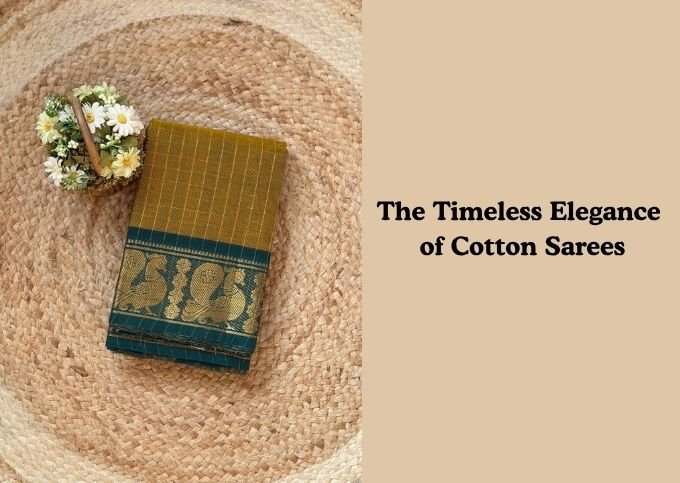
Cotton sarees are more than just garments; they are a living tradition, woven into the very fabric of Indian culture and womanhood. From the banks of the Brahmaputra to the looms of Tamil Nadu, cotton sarees have graced generations of women with their effortless grace, breathability, and timeless beauty. Whether worn at a festive gathering, a formal occasion, or simply on a quiet afternoon, a cotton saree never fails to make a statement.
A Legacy Woven in Thread The History of Cotton Sarees
The story of chettinad cotton sarees stretches back thousands of years. Ancient Indian texts and sculptures depict women draped in flowing cotton garments, suggesting that the tradition of weaving and wearing cotton is as old as civilization itself. Cotton cultivation in the Indian subcontinent dates to the Indus Valley Civilization, around 3000 BCE, making India one of the earliest producers of cotton fabric in the world.
Over the centuries, different regions of India developed their own distinctive weaving styles and patterns. The Jamdani weavers of Bengal perfected fine muslin cotton, so delicate it was called woven air. The artisans of Maheshwar and Chanderi in Madhya Pradesh crafted sarees with intricate borders that blended cotton with silk. Each region left its mark on the art, creating a rich, diverse tapestry of cotton weaving traditions that continues to thrive today.
Why Cotton Sarees Are Every Woman’s Wardrobe Essential
In a world overflowing with synthetic fabrics and fast fashion, the cotton saree stands apart as a conscious, comfortable, and elegant choice. Here is why it remains indispensable:
Breathability and Comfort: Cotton is a natural, breathable fabric that allows air circulation, keeping the body cool even in intense heat. This makes it the perfect choice for the tropical Indian climate, where temperatures frequently soar.
Skin-Friendly: Unlike synthetic fabrics, cotton is gentle on the skin and rarely causes irritation or allergies. It is the preferred choice for women with sensitive skin.
Versatility: Cotton sarees transition effortlessly from casual daywear to semi-formal occasions. A simple cotton saree with a printed border can be dressed up with the right jewellery and blouse, or kept minimal for everyday elegance.
Durability: With proper care, cotton sarees can last decades. Many women treasure sarees passed down from their mothers and grandmothers, a testament to cotton’s remarkable durability.
Eco-Friendly: Cotton is biodegradable and, when grown organically, has a significantly lower environmental footprint than synthetic alternatives. Choosing cotton is a choice for the planet.
Regional Pride Famous Cotton Sarees Across India
India’s cotton saree heritage is incredibly diverse, with each region boasting its own unique weaving tradition:
Tant Sarees of West Bengal: Known for their light weight and fine texture, Tant sarees feature intricate borders and are a staple of Bengali women’s everyday and festive wear.
Kora Cotton Sarees of Varanasi: These sarees combine the finest cotton with zari work, creating a fabric that is simultaneously delicate and grand.
Kalamkari Cotton Sarees of Andhra Pradesh: Hand-painted or block-printed with natural dyes, Kalamkari cotton sarees are wearable art, depicting mythological narratives and nature motifs.
Chettinad Cotton Sarees of Tamil Nadu: Bold checks, contrasting borders, and vibrant colours define these sarees from the Chettinad region deeply rooted in South Indian cultural identity.
Sambalpuri Cotton Sarees of Odisha: Featuring the traditional ikat dyeing technique, these sarees display geometric and nature-inspired patterns in earthy, rich tones.
Styling a Cotton Saree Tips for the Modern Woman
Wearing a cotton saree today is as much about personal expression as it is about tradition. Here are a few ways to make the look your own:
- For a classic look: Pair a plain white or off-white cotton saree with a contrast blouse and traditional gold jewellery.
- For a contemporary edge: Try a handblock-printed cotton saree with a sleeveless structured blouse and minimalist accessories.
- For festive occasions: Choose a Chettinad or Sambalpuri cotton saree with a well-designed silk blouse and statement earrings.
- For the office: A fine Tant or Kora cotton saree in muted tones with a neat blouse and small studs is the perfect blend of professionalism and grace.
Caring for Your Cotton Saree A Guide to Longevity
A cotton saree, like any cherished possession, rewards attentive care. Always wash cotton sarees in cold or lukewarm water with mild detergent. Avoid wringing them instead, gently squeeze out excess water and dry in shade to prevent colour fading. Store them folded in muslin cloth or a dry, clean space, and re-fold periodically to avoid permanent crease lines. For sarees with zari borders, dry cleaning is recommended.
A Fabric That Tells Your Story
A cotton saree is not merely clothing. It is a connection to heritage, a nod to sustainability, and an expression of individuality all at once. Whether you are discovering cotton sarees for the first time or returning to a beloved tradition, every drape carries with it centuries of artistry, pride, and grace. In a cotton saree, you do not just wear fabric you wear history.
