
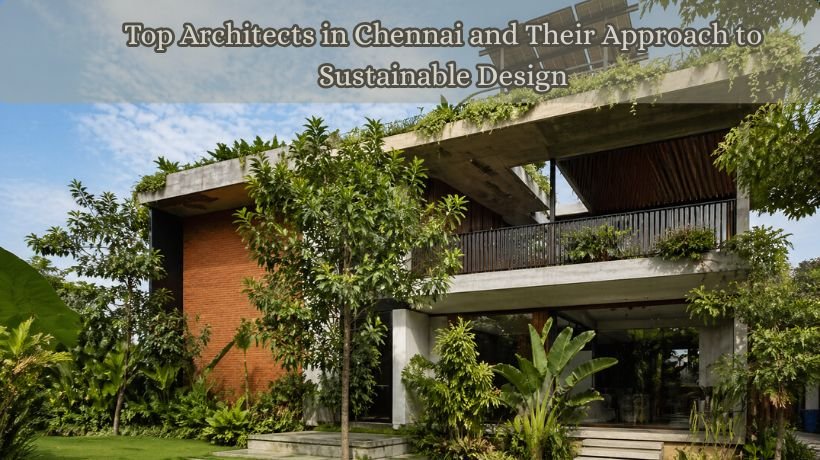
Modern architecture is no longer focused only on appearance and luxury. Today, sustainability has become one of the most important aspects of residential and commercial construction. The Top Architects in Chennai are adopting innovative and environmentally responsible practices to create spaces that are efficient, comfortable, and future-ready. From energy-saving layouts to eco-friendly materials, sustainable architecture is transforming the way buildings are designed across the city.
Understanding Sustainable Architecture
Sustainable architecture is a design approach that reduces the environmental impact of buildings while improving the quality of life for occupants. It focuses on minimizing energy consumption, using natural resources wisely, and creating healthier living spaces. Architects today aim to balance aesthetics, functionality, and environmental responsibility in every project.
In a growing urban city like Chennai, sustainable design has become especially important because of climate conditions, rising temperatures, and increasing energy demands. Architects are now planning buildings that naturally adapt to the local environment instead of relying heavily on artificial cooling and lighting systems.
Climate-Responsive Design
One of the key strategies used by architects is climate-responsive planning. Chennai experiences a hot and humid climate for most of the year, so architects carefully design buildings to improve ventilation and reduce heat gain.
Large windows, open courtyards, shaded balconies, and strategically positioned openings allow natural airflow throughout the structure. This reduces dependence on air conditioning and creates a more comfortable indoor environment. Many architects also orient buildings in ways that minimize direct sunlight exposure during peak hours.
Use of Eco-Friendly Materials
Sustainable architects prefer materials that are environmentally friendly, durable, and locally available. Materials such as fly ash bricks, recycled wood, natural stone, bamboo, and low-VOC paints are becoming increasingly popular in modern projects.
Using locally sourced materials reduces transportation-related pollution and supports regional industries. Additionally, eco-friendly materials improve indoor air quality and contribute to healthier living conditions for residents.
Energy Efficiency in Modern Buildings
Energy efficiency is one of the major goals of sustainable architecture. Architects now integrate several smart solutions to reduce electricity consumption in homes and commercial spaces.
Solar panels are widely used to generate renewable energy, while LED lighting systems help minimize power usage. Many modern buildings also include energy-efficient glass, insulated walls, and smart automation systems that optimize energy performance.
Natural lighting is another important element in sustainable design. Large openings and skylights reduce the need for artificial lighting during the daytime, helping homeowners save energy while enjoying brighter interiors.
Water Conservation Techniques
Water management has become an essential aspect of architectural planning. Sustainable buildings often include rainwater harvesting systems, water recycling methods, and efficient plumbing fixtures to reduce water wastage.
Architects are also designing landscapes that require minimal water usage by incorporating native plants and drought-resistant greenery. These methods not only conserve water but also reduce long-term maintenance costs for property owners.
Green Spaces and Biophilic Design
Modern sustainable architecture strongly emphasizes the connection between humans and nature. Green spaces such as terrace gardens, indoor plants, vertical gardens, and landscaped courtyards are now common features in contemporary projects.
Biophilic design improves mental well-being, enhances air quality, and creates a peaceful environment for occupants. Architects understand that integrating natural elements into buildings can significantly improve the overall living experience.
Sustainable Design for Urban Living
As Chennai continues to expand rapidly, architects are focusing on designing compact yet efficient spaces for urban living. Sustainable apartments, villas, and mixed-use developments are planned to maximize functionality without compromising environmental responsibility.
Architects are also encouraging adaptive reuse and renovation projects instead of complete demolition. Repurposing existing structures reduces construction waste and preserves valuable resources.
Technology and Smart Architecture
Technology plays a major role in sustainable building design today. Architects use advanced software to analyze energy performance, airflow, lighting efficiency, and structural sustainability before construction begins.
Smart home systems further support sustainable living by allowing homeowners to monitor energy usage, automate lighting, and control indoor temperatures efficiently. These innovations help create environmentally responsible homes that are also highly convenient.
The Future of Sustainable Architecture in Chennai
The demand for sustainable buildings is steadily increasing as people become more environmentally conscious. Homeowners and businesses are now prioritizing long-term efficiency, reduced operational costs, and healthier living environments.
Architects are expected to continue developing creative solutions that combine modern aesthetics with sustainability. Green-certified buildings, net-zero energy homes, and eco-conscious commercial spaces are likely to become more common in the coming years.Collaboration between architects, engineers, and Building Contractors in Chennai is also essential for successfully implementing sustainable practices during construction. With the right planning and execution, sustainable architecture can create a better future for both people and the environment.
