
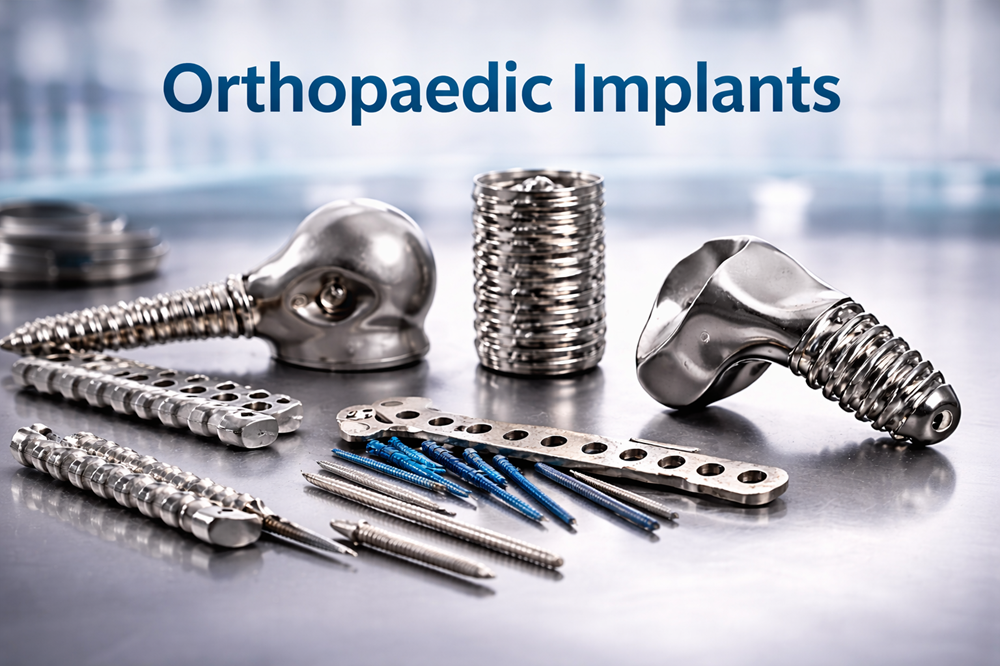
The orthopedic industry is not what it was a decade ago. Today, Orthopaedic Implants Manufacturers are not just producing surgical tools they are shaping the future of healthcare.
From smarter materials to patient-specific implants, every orthopedic implants company is evolving to meet rising global demand, stricter regulations, and higher expectations from surgeons and patients alike.
And here’s the reality: if manufacturers don’t innovate, they fall behind fast.
Let’s explore the most important global trends that are transforming this industry.
The Growing Demand for Orthopaedic Implants Worldwide
Before diving into trends, it’s important to understand why this industry is growing so rapidly.
The global orthopedic implants market is expanding steadily due to:
- Aging population
- Increase in bone-related disorders
- Rise in trauma and accident cases
- Growing preference for surgical solutions
According to industry reports, the market is projected to reach over $36 billion by 2033, driven largely by musculoskeletal conditions and demand for joint replacements.
1. Rapid Shift Toward Advanced Materials
Gone are the days when implants were just basic metal structures.
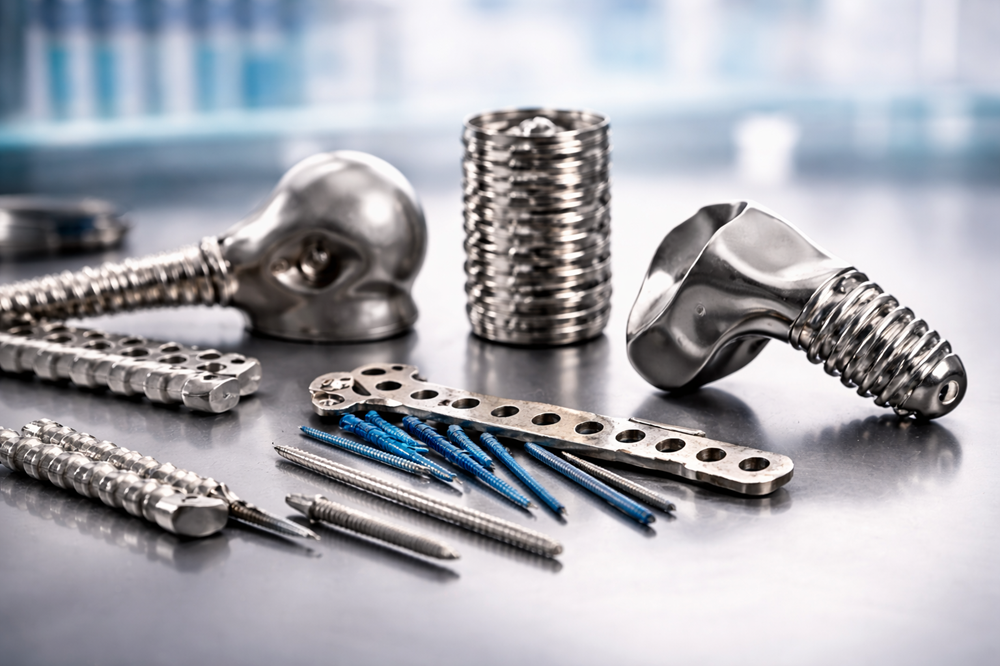
Modern Orthopaedic Implants Manufacturers are now using:
- Titanium alloys
- Cobalt-chromium
- Bioabsorbable materials
These materials offer:
- Better strength
- Improved compatibility with the human body
- Reduced risk of infection
Manufacturers are also exploring biodegradable implants, which naturally dissolve after healing eliminating the need for removal surgeries.
2. Rise of 3D Printing and Custom Implants
One of the biggest game changers in the industry is 3D printing.
Leading orthopedic implants companies now create:
- Patient-specific implants
- Complex anatomical structures
- Lightweight and durable designs
Research shows a growing investment in additive manufacturing, with many companies adopting it to improve precision and outcomes.
3. Increasing Focus on Minimally Invasive Solutions
Nobody likes long recovery times. Not patients. Not hospitals.
That’s why manufacturers are focusing on implants that support:
- Smaller incisions
- Faster procedures
- Reduced trauma to the body
There is a strong global shift toward minimally invasive techniques, which improve recovery time and reduce complications.
4. Smart Implants and Digital Integration
Welcome to the future where implants may soon “talk.”
Some advanced Orthopaedic Implants Manufacturers are working on:
- Sensor-enabled implants
- Real-time monitoring systems
- Data-driven recovery tracking
While still developing, this trend shows how healthcare is merging with technology.
5. Expansion into Emerging Markets
Growth is no longer limited to developed countries.
Emerging regions like:
- Africa (especially Nigeria)
- Latin America
- Southeast Asia
- Mexico
are seeing a rise in healthcare infrastructure and demand.
Manufacturers are expanding globally to:
- Reach new markets
- Increase distribution
- Build partnerships
6. Strong Focus on Quality and Compliance
Regulations are getting stricter and that’s a good thing.
Leading Orthopaedic Implants Manufacturer now prioritize:
- ISO certifications
- CE marking
- Country-specific approvals
This ensures:
- Patient safety
- Consistent product quality
- Global acceptance
7. Cost Optimization Without Compromising Quality
Healthcare providers want quality but they also want affordability.
Manufacturers are responding by:
- Improving production efficiency
- Offering bulk pricing
- Streamlining supply chains
However, smart companies understand one thing clearly:
- Cheap implants ≠ good implants
The focus has shifted to value-driven solutions, not just low pricing.
8. Growth of Data-Driven Manufacturing
Data is now a key part of decision-making.
Top orthopedic implants companies use:
- Market analytics
- Performance tracking
- Customer feedback
This helps them:
- Improve product design
- Predict demand
- Enhance quality
9. Increased Investment in R&D
Innovation doesn’t happen by accident it requires investment.
Many leading Orthopaedic Implants Manufacturers are:
- Increasing R&D budgets
- Collaborating with medical institutions
- Developing new technologies
This is driving:
- Better implant designs
- Longer implant lifespan
- Improved surgical outcomes
10. Consolidation and Strategic Partnerships
The industry is becoming more competitive.
To stay ahead, companies are:
- Merging with other firms
- Acquiring smaller players
- Expanding product portfolios
This helps them:
- Strengthen market position
- Offer complete solutions
- Improve global reach
11. Customization is Becoming Standard
One-size-fits-all is slowly disappearing.
Today’s patients and surgeons demand:
- Personalized implants
- Better anatomical fit
- Higher precision
Advanced technologies now allow manufacturers to create customized solutions that improve surgical success rates.
12. Sustainability and Ethical Manufacturing
Sustainability is gaining importance even in healthcare.
Modern Orthopaedic Implants Manufacturers are focusing on:
- Eco-friendly production
- Reduced waste
- Ethical sourcing
Challenges Facing Orthopaedic Implants Manufacturers
Despite strong growth, the industry faces challenges:
- High regulatory pressure
- Rising production costs
- Supply chain disruptions
- Intense competition
Future Outlook of the Orthopedic Industry
The future looks promising and exciting.
Key developments to watch:
- AI-driven implant design
- Smart implants with monitoring systems
- Faster and more precise manufacturing
With increasing demand and technological advancements, the industry will continue to grow steadily in the coming years.
Final Thoughts
The global orthopedic industry continues to evolve at a remarkable pace, with Orthopaedic Implants Manufacturers playing a central role in this transformation.
From advanced biomaterials to digital innovation, every orthopedic implants company is focused on a shared objective delivering better patient outcomes and improving surgical success rates.
For hospitals, distributors, and healthcare buyers, staying informed about these trends is no longer optional it’s essential. Choosing the right orthopedic implants manufacturer today is not just a purchase decision; it’s a strategic step toward long-term growth and clinical excellence.
In the world of orthopedics, precision defines success, and innovation drives progress.
