
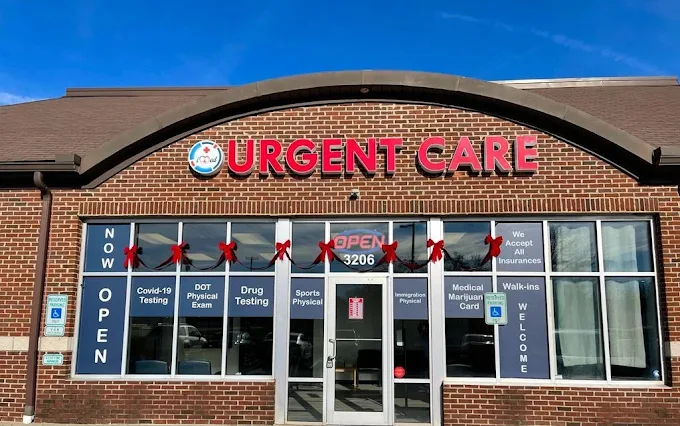
Healthcare decisions often need to be made quickly, leaving patients wondering whether their situation requires a trip to the emergency room or if urgent care would be more appropriate. For Columbus area residents, understanding the differences between these two medical services can save time, money, and unnecessary stress. While emergency rooms handle life-threatening situations, facilities offering urgent care columbus ohio services provide efficient treatment for non-emergency medical issues that still require prompt attention. But how do you know which option is right for your specific situation?
What Types of Medical Issues Are Best Suited for Urgent Care?
Urgent care centers like iMed Urgent Care are designed to bridge the gap between primary care physicians and emergency rooms. They handle a wide range of medical conditions that need immediate attention but aren’t severe enough to warrant emergency treatment. Common conditions treated at urgent care facilities include minor fractures, sprains, cuts requiring stitches, infections, flu symptoms, allergic reactions, minor burns, and respiratory issues.
The key advantage of choosing urgent care for these conditions is accessibility. Unlike primary care offices that may require appointments scheduled days or weeks in advance, urgent care facilities accept walk-in patients and typically offer extended hours, including evenings and weekends. This flexibility makes them ideal for situations where waiting isn’t practical but the condition doesn’t constitute a medical emergency.
How Does iMed Urgent Care Compare to Traditional Emergency Rooms?
When comparing iMed Urgent Care to hospital emergency rooms, several significant differences emerge. Emergency rooms are equipped to handle critical, life-threatening conditions such as heart attacks, severe trauma, stroke symptoms, and major injuries. They operate 24/7 and have access to comprehensive diagnostic equipment and specialist consultations.
However, for non-emergency situations, emergency rooms present considerable drawbacks. Wait times can extend for hours as truly critical cases receive priority treatment. Costs are substantially higher—often three to five times more expensive than urgent care for the same basic services. The billing process tends to be more complex, and patients may receive separate bills from the hospital, physicians, and diagnostic services.
iMed Urgent Care, conversely, provides streamlined service with significantly shorter wait times. Their pricing structure is transparent and considerably more affordable for non-emergency conditions. The facility maintains modern diagnostic equipment and employs experienced medical professionals capable of handling most acute medical needs, making it the practical choice for the majority of unexpected health issues.
What Specialized Services Does iMed Urgent Care Provide Beyond General Treatment?
Beyond treating immediate medical concerns, comprehensive urgent care facilities offer specialized services that many patients don’t realize are available. iMed Urgent Care has developed expertise in several areas that serve specific community needs, including occupational health services, immigration physicals, sports physicals, and various preventive care options.
These additional services make urgent care centers valuable resources for more than just unexpected illnesses and injuries. Families can obtain school physicals, employers can arrange pre-employment screenings, and individuals can access routine diagnostic testing—all in a convenient, walk-in setting that doesn’t require the lengthy scheduling processes of traditional medical offices.
DOT Physical Exams vs. Regular Physical Examinations: What’s the Difference?
Commercial drivers face unique health requirements that differ substantially from standard physical examinations. Department of Transportation (DOT) physical exams follow specific federal guidelines designed to ensure drivers can safely operate commercial vehicles. These examinations must be conducted by certified medical examiners listed on the National Registry.
For professional drivers seeking dot physical exams columbus services, understanding these distinctions is crucial. DOT physicals assess vision, hearing, blood pressure, urinalysis, and overall physical condition according to FMCSA standards. They also evaluate any medical conditions that might affect driving ability, including diabetes, heart conditions, sleep disorders, and substance use.
Regular physical examinations, while comprehensive, don’t follow these specific federal requirements and cannot substitute for DOT physicals. Commercial drivers must obtain their DOT physical from a certified medical examiner, and the examination must be repeated at intervals specified by federal regulations—typically every two years, though certain medical conditions may require more frequent examinations.
Why Should Commercial Drivers Choose iMed Urgent Care for DOT Physicals?
iMed Urgent Care employs certified medical examiners specifically trained in DOT physical requirements. This specialization ensures examinations are conducted properly, documentation is completed accurately, and drivers receive their Medical Examiner’s Certificate without delays or complications.
The convenience factor cannot be overstated. Commercial drivers operate on tight schedules, and the walk-in availability at iMed Urgent Care eliminates the need for advance appointments that might conflict with driving routes or delivery schedules. Drivers can complete their required physical examination quickly and get back on the road with minimal disruption to their work.
Additionally, iMed Urgent Care understands the nuances of DOT regulations. Their examiners can provide guidance on managing conditions that might affect certification, offer advice on maintaining compliance, and help drivers understand any restrictions or limitations that may apply to their specific situations.
How Do Wait Times Compare Between Urgent Care and Emergency Rooms?
Time is often a critical factor when seeking medical care. Emergency rooms prioritize patients based on the severity of their conditions using a triage system. While this approach is necessary for managing truly critical cases, it means patients with less severe issues—even those in considerable discomfort—may wait several hours before seeing a physician.
iMed Urgent Care operates on a different model designed for efficiency. While walk-in appointments mean some waiting may occur during busy periods, the average wait time is substantially shorter than emergency rooms. Many patients are seen within 15-30 minutes of arrival, receive treatment, and complete their visit in under an hour. This efficiency respects patients’ time while still providing thorough, quality medical care.
What Should Patients Bring When Visiting Urgent Care?
Preparing for an urgent care visit can streamline the process and ensure patients receive optimal care. Essential items include:
- Photo identification
- Insurance cards and information
- List of current medications including dosages
- Brief medical history highlighting chronic conditions
- Information about allergies
- Recent test results if applicable
- Payment method for any copays or deductibles
For specialized visits like DOT physicals, drivers should additionally bring their current medical examiner’s certificate (if applicable), glasses or contacts if needed for vision correction, and a list of any prescription medications.
When Should You Still Choose the Emergency Room Over Urgent Care?
Despite the many advantages of urgent care facilities, certain situations absolutely require emergency room treatment. Patients should head directly to the ER or call 911 for:
- Chest pain or pressure suggesting heart attack
- Difficulty breathing or shortness of breath
- Severe bleeding that won’t stop
- Head injuries with loss of consciousness
- Stroke symptoms including facial drooping, arm weakness, or speech difficulties
- Severe burns
- Poisoning
- Severe allergic reactions
- Broken bones with visible deformity
- Any condition you believe threatens life or limb
Conclusion: Which Option Provides Better Value for Non-Emergency Care?
For the vast majority of unexpected medical needs that don’t constitute true emergencies, urgent care facilities like iMed Urgent Care offer superior value through faster service, lower costs, and specialized expertise. The combination of convenience, quality care, and comprehensive services—from treating acute illnesses to providing certified DOT physicals—makes urgent care the practical choice for most healthcare situations requiring prompt attention.
Understanding when to choose urgent care versus the emergency room empowers patients to make informed healthcare decisions that serve their medical needs while respecting their time and financial resources. iMed Urgent Care stands ready to serve the Columbus community with professional, efficient medical care when you need it most.
Visit iMed Urgent Care
For more information about services, hours, or locations, contact iMed Urgent Care today. Walk-ins are always welcome, or call ahead to learn current wait times and prepare for your visit.
