
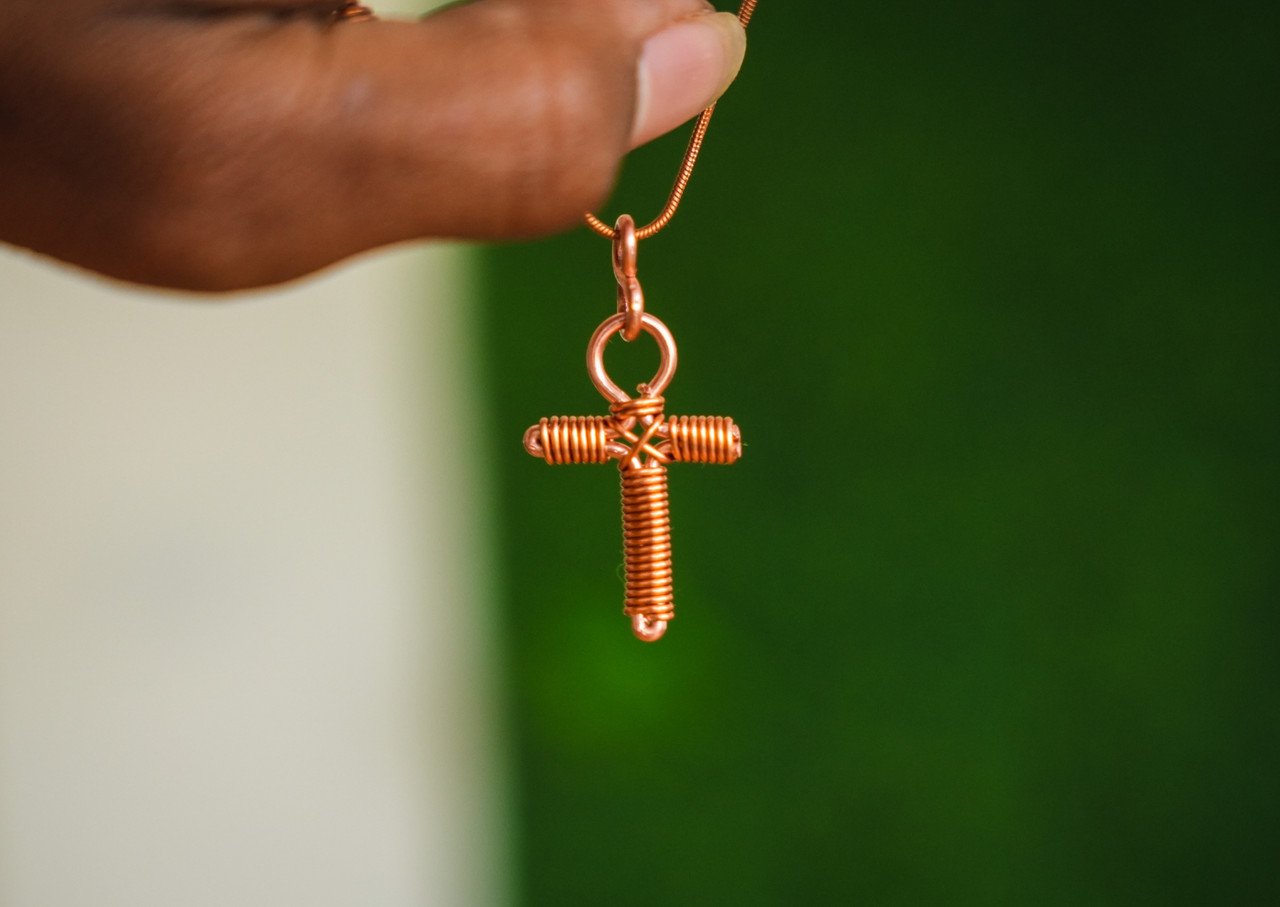
Silver necklaces lose shine over time due to exposure to air, moisture, and daily use. A Copper ankh necklace or any sterling silver chain can gradually develop dark patches that reduce its natural glow. Proper cleaning restores brightness while protecting the surface from scratches and long-term wear. Safe methods are more effective than harsh chemicals because they maintain structure and detailing. Understanding how silver reacts to its environment helps in choosing the right cleaning approach that keeps jewelry polished, durable, and visually appealing for years of regular use.
Why Silver Necklaces Tarnish
Tarnish forms when silver reacts with sulfur particles present in air and everyday surroundings. This reaction creates a dark coating on the surface that dulls its shine. Sweat, perfumes, lotions, and pollution accelerate this process significantly. High humidity also increases tarnish buildup, especially in warm climates. Although tarnish does not damage the metal itself, it affects appearance and reduces brightness. Regular exposure without proper cleaning allows layers of discoloration to form, making silver look aged and less attractive over time.
Essential Tools for Cleaning Silver Necklace
Safe cleaning begins with using the right tools that protect the surface of the necklace. A soft microfiber cloth helps remove dirt and polish gently without scratching. Mild dish soap mixed with warm water loosens oils and residue. A soft-bristle toothbrush reaches small chain links and intricate designs. Baking soda works for removing light tarnish buildup, while aluminum foil supports deeper cleaning reactions. A small bowl is useful for soaking the necklace safely. These simple tools ensure effective cleaning without harming delicate silver surfaces.
Soap and Water Cleaning Method
Mild soap and water provide a safe and effective way to clean silver necklaces regularly. Warm water mixed with a few drops of dish soap helps break down dirt and oil buildup. The necklace should be soaked for a few minutes to loosen debris. Gentle scrubbing using a soft toothbrush helps clean detailed areas and chain links. Rinsing thoroughly removes all soap residue. Drying with a microfiber cloth prevents water spots. This method is ideal for routine maintenance and light tarnish removal without damaging the metal.
Baking Soda Cleaning Method
Baking soda offers a stronger cleaning option for silver necklaces with visible tarnish. A paste made from baking soda and water can be applied directly to affected areas. Gentle circular rubbing helps lift dark stains without scratching the surface. Careful attention should be given to detailed sections and chain joints. After cleaning, rinsing with clean water removes all residue. Drying completely prevents moisture buildup. This method works well for restoring shine while keeping the silver surface smooth and protected from damage caused by harsh chemicals.
Aluminum Foil Deep Cleaning Method
Aluminum foil cleaning works through a natural chemical reaction that helps remove heavy tarnish. A bowl lined with aluminum foil is filled with warm water and baking soda. The silver necklace is placed in the solution, allowing the reaction to lift dark layers from the surface. After a few minutes, the necklace is removed and rinsed thoroughly. Drying with a soft cloth restores shine. This method is suitable for deeper tarnish but should be used carefully to avoid overexposure and preserve delicate designs.
Common Cleaning Mistakes
Incorrect cleaning habits can damage silver jewelry and reduce its lifespan. Abrasive materials like toothpaste or rough pads can leave scratches on the surface. Strong chemicals such as bleach or ammonia may cause discoloration and weaken the metal. Excessive soaking can affect delicate chain links and joints. Storing silver while still damp increases tarnish formation. Harsh scrubbing on intricate designs reduces detail quality. Avoiding these mistakes helps maintain the necklace’s natural shine, structure, and long-term durability without unnecessary damage.
Professional Cleaning Services
Professional cleaning becomes important when tarnish is too heavy or the necklace has intricate designs. Jewelers use specialized equipment and safe solutions that restore shine without harming the metal. This process also helps remove deep scratches and enhances overall appearance. Valuable or antique pieces benefit most from professional care because of their delicate structure. While home cleaning works well for maintenance, professional services provide deeper restoration. Regular professional polishing can extend the life of silver jewelry and maintain its original elegance.
Proper Storage for Silver Jewelry
Storage plays a major role in preventing tarnish and maintaining shine. Silver necklaces should be kept in airtight pouches or sealed boxes to limit exposure to air. Dry and cool environments help slow down oxidation. Anti-tarnish strips or cloths can absorb moisture and sulfur particles. Keeping each piece separate prevents scratches caused by friction. Bathrooms should be avoided due to humidity levels. Cleaning before storage ensures better preservation. Proper storage habits significantly reduce cleaning frequency and help maintain long-term brilliance.
Conclusion
Cleaning a silver necklace requires gentle care, simple tools, and consistent maintenance. Safe home methods like soap water, baking soda, and aluminum foil effectively remove tarnish without damaging the metal. Regular cleaning prevents buildup and keeps jewelry looking polished. Proper storage further protects shine and reduces maintenance needs. With careful handling, silver necklaces maintain their beauty and durability for years. Simple routines ensure that both delicate and detailed designs continue to look elegant and well-preserved over time.
