
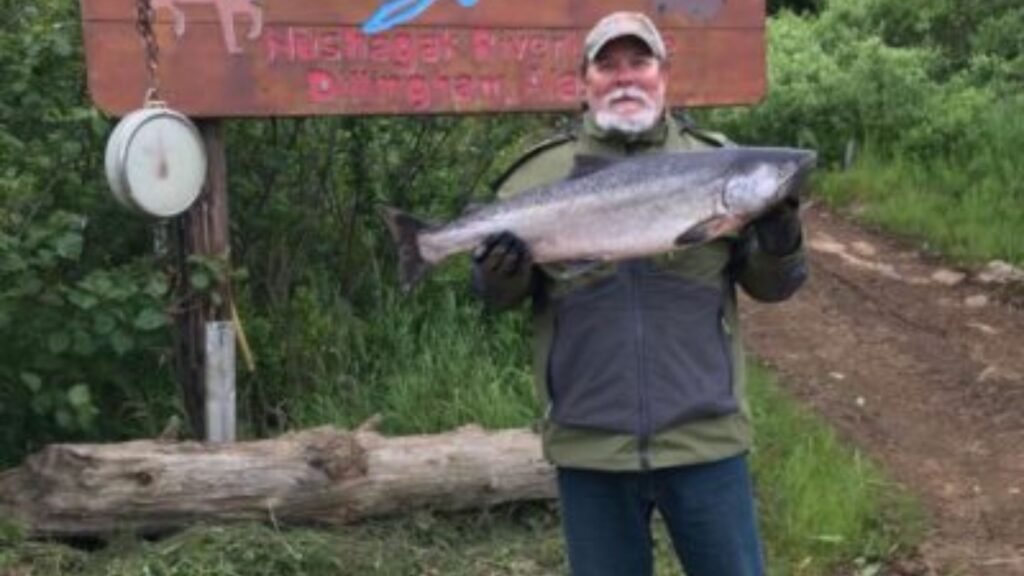
Salmon runs hit peak strength in Bristol Bay during 2026. Anglers secure prime dates, stable prices, and solid fish numbers by booking early for these Alaska salmon run trips. Forecasts point to robust returns, especially for sockeye, with fewer crowds than record years. Early planners gain better access to remote rivers like the Nushagak and avoid last-minute shortages.
Strong Forecasts Create Ideal Conditions
Biologists predict a Bristol Bay sockeye run of about 45 million fish for 2026. Numbers sit well above the long-term average. The Nushagak River benefits directly from this biomass. Nutrient-rich waters from the sockeye push support healthy silver and king runs too.
Anglers experience consistent action across multiple species. Early summer brings kings in solid numbers with targeted management. Peak sockeye follows in July, offering high-volume fishing. Silvers arrive fresh and aggressive by late July into August. Water levels and temperatures stay favorable based on recent patterns.
Travelers lock in flights and lodging before demand spikes. Lodges fill fast once forecasts release. Booking now means access to prime weeks without paying surge rates later.
How Do Salmon Runs Differ in 2026?
Multiple factors align for better experiences this year. Strong ocean survival rates from previous cycles boost returns. Management keeps harvests sustainable while leaving plenty for sport anglers. The Nushagak system sees overlap periods where anglers switch between species in the same day.
Fewer extreme weather disruptions appear likely from current climate models. Cooler late summer periods help fish stay active longer. River access remains reliable with standard flows.
Experienced operators note these conditions favor both novice and veteran fishermen. Newcomers catch limits without frustration. Seasoned anglers pursue trophy fish with good odds.
What Makes the Nushagak River Stand Out?
The Nushagak delivers some of the strongest runs in Bristol Bay. Kings average impressive sizes here. Sockeye arrive in waves that create nonstop opportunities. Silvers fight hard and jump frequently.
The remote setting adds to the appeal. Float planes drop visitors into wilderness with minimal other groups. Bears, eagles, and untouched scenery frame every day. Days last long under the midnight sun, so fishing extends well into evenings.
Planning Your Alaska Fishing Trips in 2026
Start with dates that match target species. June focuses on kings. July delivers peak sockeye volume. August brings acrobatic silvers.
Consider trip length carefully. Five days allow full immersion without rush. Longer stays increase chances for weather variety and multiple runs.
Gear choices matter. Pack quality rain gear for sudden showers. Bring layered clothing for temperature swings. Rods, reels, and terminal tackle need strength for powerful fish.
– Select comfortable waders and boots for river time.
– Include polarized sunglasses to spot fish in clear water.
– Carry a reliable camera or phone for quick photos.
– Prepare basic first aid and bug protection.
– Opt for breathable fabrics to stay dry and comfortable.
Licenses and regulations require attention. Nonresidents buy appropriate stamps and tags. Bag limits vary by species and week. Local guides or outfitters clarify rules on site.
Flights into Dillingham or King Salmon start the journey. Pack light but complete to meet weight limits.
Why Book Early for Maximum Success?
Early reservations secure preferred cabins or campsites. Popular weeks disappear months ahead. Prices stay lower before any adjustments.
Travelers gain time to prepare physically. Light workouts build stamina for long river days. Researching recipes for fresh salmon meals adds excitement.
Family or group coordination runs smoother with advance notice. Everyone aligns schedules and expectations.
What Should First-Timers Expect on These Trips?
New visitors feel the scale immediately. A vast river meets tundra and mountains. Fish numbers surprise even skeptics. Guides or self-guided setups provide safety and tips.
Days blend fishing with wildlife viewing. Meals feature local ingredients. Evenings bring stories around the fire. Comfort levels vary by package, yet most include solid beds and hot showers.
Success comes from patience and observation. Fish behavior changes with tides and light. Small adjustments in presentation yield results.
Sustainability Shapes Future Runs
Responsible practices protect these fisheries. Catch-and-release for larger kings preserves stocks. Proper handling keeps released fish healthy. Outfitters follow strict guidelines to minimize impact.
Anglers contribute by following rules and supporting conservation. Healthy runs depend on clean water and habitat. Alaska fishing trips in 2026 offer a chance to enjoy while helping maintain abundance.
Nushagak Outfitters Delivers Practical Experiences
Nushagak Outfitters runs self-guided packages on the Nushagak River. Their setup gives visitors independence with support nearby. Cabins provide shelter after full days on the water. Equipment rentals simplify packing.
Clients report consistent catches during peak periods. The company focuses on logistics so guests concentrate on fishing. Remote location ensures authentic Alaska feel without isolation issues.
Conclusion
2026 stands out as the smart year for an Alaska salmon run trip. Forecasts promise strong returns. Early booking delivers better dates and value. The Nushagak River and similar systems reward those who plan ahead with memorable days chasing powerful salmon. Nushagak Outfitters handles the details that make remote fishing accessible and rewarding. Book soon to claim prime spots and prepare for the trip of a lifetime.
