
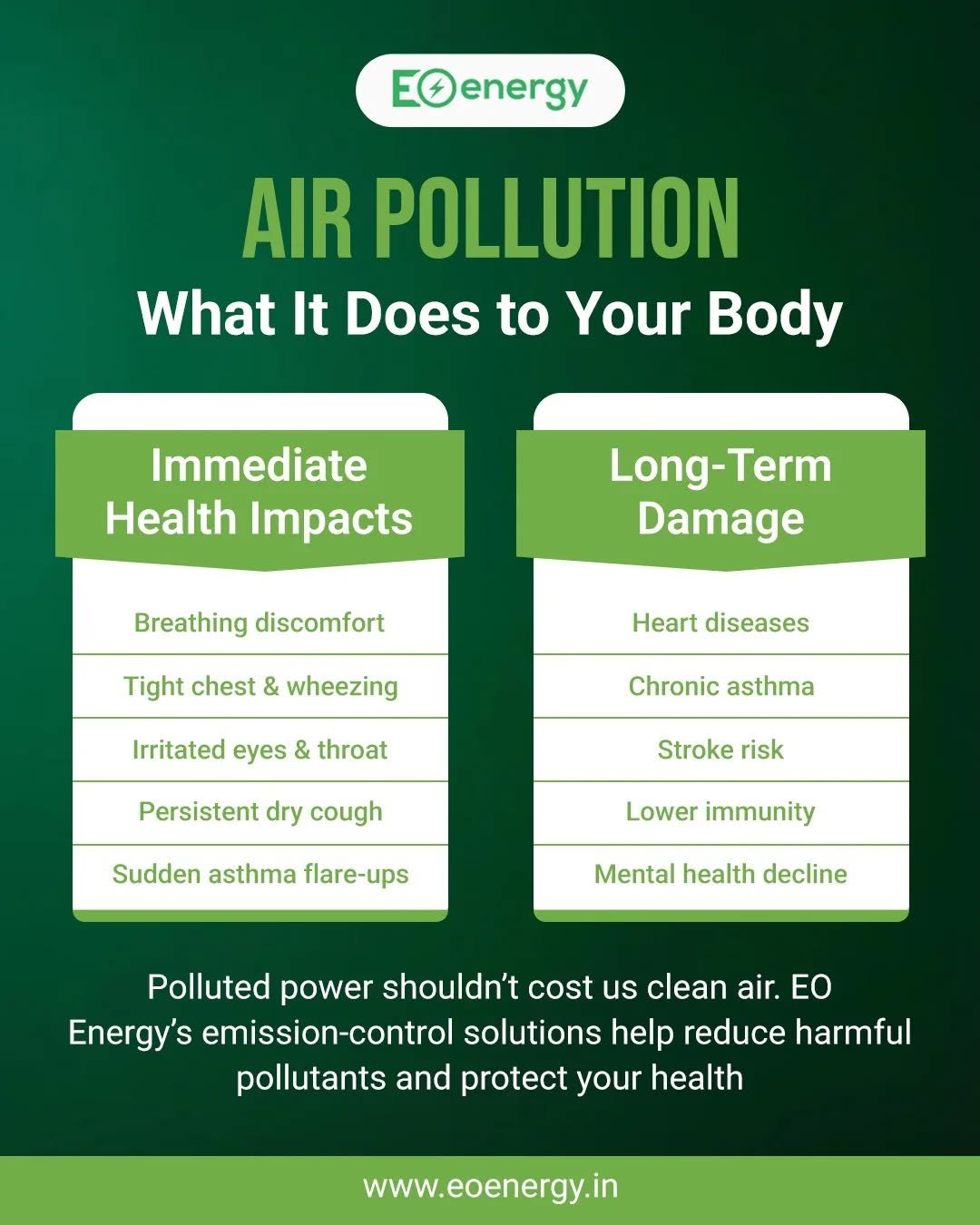
Industrial development has transformed economies across the globe, creating opportunities for growth, innovation, and large-scale production. However, rapid industrialization has also brought serious environmental concerns, especially air pollution. Factories, manufacturing units, and processing plants release smoke, toxic gases, dust particles, and harmful emissions into the atmosphere every day. To address these environmental challenges, industries are increasingly adopting advanced air pollution control devices (APCDs) to reduce emissions and maintain cleaner industrial operations. Companies like EO Energy are helping industries implement efficient pollution control technologies that support both environmental protection and industrial productivity.
Today, environmental responsibility is no longer optional for industries. Governments and regulatory authorities have introduced strict emission standards to protect public health and the environment. Businesses that fail to control emissions risk facing legal penalties, operational disruptions, and damage to their brand reputation. This is why modern industries are investing in advanced air pollution control systems that improve compliance, efficiency, and sustainability.
Understanding the Importance of Air Pollution Control Devices (APCD)
Air Pollution Control Devices (APCDs) are systems specifically designed to remove pollutants from industrial exhaust gases before they are released into the atmosphere. These devices help industries control particulate matter, chemical vapors, toxic fumes, and volatile organic compounds generated during production processes.
The role of APCD systems has become more critical than ever due to rising environmental awareness and stricter pollution control regulations. Industrial emissions can contribute to respiratory diseases, poor air quality, acid rain, and climate change. By installing reliable pollution control equipment, industries can significantly reduce their environmental impact and contribute to cleaner air.
Modern APCD systems are designed to provide high efficiency, energy savings, and long-term operational reliability. They are widely used in industries such as pharmaceuticals, chemical manufacturing, cement plants, power generation, food processing, steel manufacturing, and waste management facilities.
Why Modern Industries Need Air Emission Control Devices
The growing demand for sustainable industrial practices has increased the importance of air emission control devices across various sectors. Industrial plants release pollutants that can affect both workers inside the facility and communities surrounding the industrial area. Without proper air pollution control systems, these emissions can create serious environmental and health risks.
Air emission control systems help industries maintain cleaner production environments by reducing smoke, dust, harmful gases, and unpleasant odors. Cleaner industrial operations not only improve environmental safety but also create healthier workplaces for employees.
Industries also rely on emission control systems to meet environmental compliance requirements. Regulatory authorities regularly monitor industrial emissions to ensure businesses follow environmental laws. Non-compliance can lead to heavy fines, shutdown notices, and legal complications. Installing advanced APCD systems helps industries avoid these risks while strengthening their reputation as environmentally responsible organizations.
Another important benefit of air emission control technologies is improved operational efficiency. Many modern systems are designed to recover energy, reduce waste, and optimize industrial processes. This allows companies to achieve both environmental and financial advantages simultaneously.
Venturi Scrubber Air Pollution Control in Industrial Applications
Among the most effective pollution control technologies available today is the Venturi scrubber air pollution control system. Venturi scrubbers are widely used to remove fine particulate matter and hazardous gases from industrial exhaust streams.
The system operates by forcing polluted air through a narrow section called the venturi throat. During this process, water or another scrubbing liquid is introduced into the gas stream at high velocity. The intense interaction between the liquid and contaminated air captures harmful particles and gases, which are then separated from the exhaust stream.
Venturi scrubbers are particularly effective in industries where very fine dust particles are generated. They are commonly used in chemical plants, metal processing units, fertilizer factories, power plants, and mining industries. Their ability to remove extremely small particles makes them an ideal solution for industries dealing with complex air pollution challenges.
One of the key advantages of Venturi scrubbers is their flexibility. They can efficiently handle varying gas temperatures, humidity levels, and pollutant concentrations. This adaptability allows industries to maintain effective emission control under changing operating conditions.
Modern industries prefer Venturi scrubber systems because they combine high efficiency with reliable performance. These systems help reduce environmental impact while improving overall plant safety and compliance.
The Role of Thermal Oxidizer Air Pollution Control Systems
Certain industrial processes release volatile organic compounds and hazardous gases that cannot be effectively treated using conventional filtration methods alone. In such situations, thermal oxidizer air pollution control systems provide an advanced and highly effective solution.
Thermal oxidizers work by using controlled high-temperature combustion to destroy harmful pollutants before they are released into the atmosphere. The process converts hazardous gases and volatile organic compounds into less harmful substances such as carbon dioxide and water vapor.
Industries such as pharmaceuticals, paint manufacturing, printing, petrochemicals, and food processing frequently use thermal oxidizer systems to manage emissions. These industries often produce chemical vapors and organic compounds that require specialized treatment technologies.
One major advantage of thermal oxidizers is their high destruction efficiency. They can eliminate a large percentage of dangerous pollutants, making them one of the most reliable solutions for industrial air pollution control. Many modern thermal oxidizers also include heat recovery systems that improve energy efficiency and reduce operating costs.
As industries continue to focus on sustainability and environmental protection, thermal oxidizer technologies are becoming increasingly valuable. They help businesses maintain cleaner emissions while supporting long-term environmental goals.
Electrostatic Precipitator Air Pollution Control for Cleaner Operations
Another highly trusted pollution control technology used in modern industries is the electrostatic precipitator air pollution control system. Electrostatic precipitators are designed to remove fine dust particles, smoke, and other suspended matter from industrial exhaust gases.
The system works by applying an electrical charge to airborne particles. These charged particles are then attracted to collection plates with the opposite charge, where they are trapped and removed from the gas stream. Clean air is then released into the atmosphere.
Electrostatic precipitators are widely used in industries such as cement manufacturing, thermal power plants, steel production, and paper mills. These industries generate large volumes of particulate emissions that can severely affect air quality if not properly controlled.
One of the main advantages of electrostatic precipitators is their ability to handle high gas volumes with excellent efficiency. They are highly effective at capturing microscopic particles that may escape other filtration systems. Additionally, these systems require relatively low maintenance and offer long operational life, making them cost-effective for large industrial facilities.
Industries that invest in electrostatic precipitator systems benefit from improved air quality, better regulatory compliance, and enhanced operational reliability.
The Future of Industrial Air Pollution Control
The future of industrial development depends heavily on sustainable manufacturing and responsible environmental practices. Industries are increasingly adopting advanced APCD technologies that offer better performance, automation, and energy efficiency.
Modern pollution control systems now include smart monitoring features that allow industries to track emission levels in real time. These technologies help businesses identify potential issues early and ensure continuous compliance with environmental regulations.
Energy-efficient APCD systems are also helping industries reduce operational costs while minimizing environmental impact. The integration of automation and digital technologies is making air pollution control systems more effective, reliable, and easier to maintain.
Consumers and investors are also paying closer attention to environmental sustainability. Companies that prioritize pollution control and cleaner production practices are more likely to build stronger customer trust and long-term business success.
Why EO Energy Is a Trusted Name in APCD Solutions
EO Energy is committed to providing advanced and reliable air pollution control solutions for modern industries. With expertise in designing and implementing efficient APCD systems, the company helps businesses achieve cleaner operations and environmental compliance.
From Venturi scrubbers and thermal oxidizers to electrostatic precipitators and customized air emission control systems, EO Energy offers innovative technologies tailored to industrial requirements. Their focus on quality, performance, and sustainability makes them a trusted partner for industries looking to reduce emissions and improve operational efficiency.
FAQs
What are air pollution control devices (APCDs)?
Air Pollution Control Devices (APCDs) are industrial systems used to remove harmful pollutants, dust particles, gases, and fumes from exhaust emissions before they are released into the environment.
Why are air emission control devices important for industries?
Air emission control devices help industries reduce pollution, improve air quality, comply with environmental regulations, and create safer workplaces for employees.
How does a Venturi scrubber air pollution control work?
Venturi scrubbers use high-velocity gas streams and liquid interaction to capture and remove fine particulate matter and harmful gases from industrial emissions.
What is the purpose of thermal oxidizer air pollution control systems?
Thermal oxidizers destroy volatile organic compounds and hazardous gases using high-temperature combustion, converting them into safer substances before release.
Why is Electrostatic Precipitator Air Pollution Control widely used?
Electrostatic precipitators are highly effective at removing fine dust particles and smoke from industrial exhaust gases, making them ideal for large-scale industrial applications.
Contact Us
If you are searching for advanced and reliable air pollution control solutions for your industrial operations, EO Energy is ready to assist you. Whether you need expert guidance on selecting the right APCD technology or customized solutions for your facility, their experienced team can help you achieve cleaner, safer, and more sustainable industrial operations. Contact Us today to learn more about innovative pollution control systems designed for modern industries.
