
Getting into a collision is stressful. The adrenaline, the insurance calls, the back-and-forth with the other driver. Once the car comes back from the shop, most people just want to move on. That’s completely understandable. But driving a vehicle without a proper post-collision inspection can put you at far greater risk than you’d expect.
It’s not just about dents and scratches. A collision can compromise systems deep inside your vehicle — systems that have nothing to do with how the car looks on the outside.
The Damage You Can’t See
Modern vehicles are built with crumple zones, safety cages, and interconnected electronic systems. When impact happens, those systems absorb and distribute force in ways you can’t always see from the surface.
- A bumper that looks fine may hide a damaged energy absorber underneath.
- Frame rails can bend or twist by just a few millimeters. That’s enough to affect alignment, steering response, and airbag deployment.
- Suspension components that appear intact can develop micro-fractures under stress.
These aren’t hypothetical concerns. They’re the kind of findings that come up regularly during a thorough post-collision inspection. Skipping that inspection doesn’t make those problems disappear. It just means you’re driving with them.
What a Post-Collision Safety Inspection Actually Covers
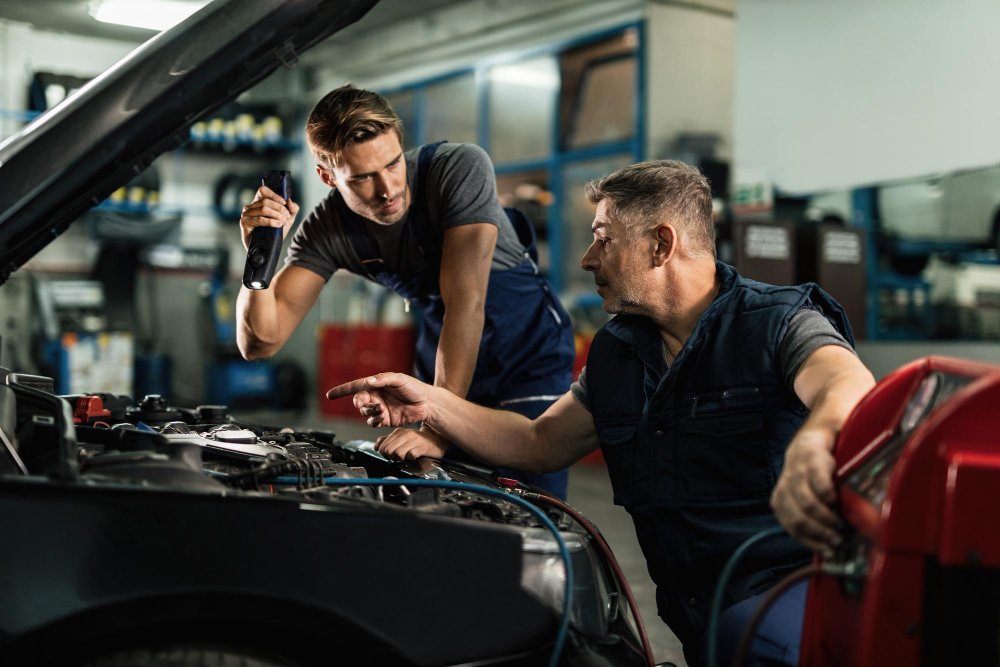
A proper inspection goes well beyond a visual check. Here’s what certified technicians examine:
Structural Integrity
The frame or unibody protects the cabin in another collision. Any deviation from factory specs must be corrected before you drive again. Technicians use precision measuring systems to check frame geometry and catch damage that isn’t visible to the naked eye.
Steering and Suspension
Impact forces travel through the wheels and into the suspension and steering components. Tie rods, control arms, and wheel hubs can all take damage. The tricky part? The effects on handling may not show up right away.
Airbag and Sensor Systems
A collision can trip error codes, knock sensors out of position, or leave the airbag control module compromised. Vehicles with ADAS features like automatic emergency braking or lane-keeping assist rely on cameras and radar units embedded in bumpers and grilles. These are highly sensitive to even minor repositioning.
Brake Lines and Fuel Systems
A hard rear impact can damage fuel lines, fuel tanks, and brake lines. None of this will be obvious from the outside. Any one of these issues, left unchecked, creates a serious road hazard.
Fluid Leaks
Coolant, transmission fluid, brake fluid: all of these need checking after a collision. A slow leak may not cause immediate problems. Over time, though, it can lead to significant mechanical failure.
Why “It Looks Fine” Isn’t Good Enough
Cars aren’t designed to look the same after a collision. They’re designed to protect you during one. Those crumple zones that absorbed the impact did their job. But they’re now compromised. They can’t perform the same function a second time.
Driving a vehicle with structural damage means operating with a reduced safety margin. If something goes wrong on the highway, that margin matters more than most people think.
The same applies to ADAS technology. A small collision can knock a sensor out of alignment just enough to make it unreliable. No warning light will necessarily appear on your dashboard. The system just quietly stops working the way it should.
The Collision Repair Process and Where Inspection Fits In
Good collision repair isn’t just about making the car look like it did before. It’s about restoring it to factory safety specifications. That distinction matters a lot.
When you bring your vehicle to a certified collision repair shop, the process should start with a thorough damage assessment. Not just a visual one, but a structural one. Here’s what that typically involves:
- Scanning for error codes with diagnostic tools
- Checking frame geometry with measuring systems
- Verifying that safety systems function correctly after all repairs wrap up
- Recalibrating ADAS sensors where needed
This is exactly why choosing the right collision repair shop matters. Not every shop carries the equipment, certifications, or protocols to inspect at this level. OEM-certified shops train specifically to restore vehicles to manufacturer specifications. They also know what to look for and how to confirm the vehicle is genuinely safe before it leaves the bay.
Don’t Let Insurance Timelines Rush You
People often skip thorough post-collision inspection because of pressure. Schedule pressure, rental car deadlines, or just the feeling that the insurance process is pushing things forward.
Worth saying clearly: an insurer’s job is to settle a claim. Your job is to make sure your vehicle is safe to drive. Those goals usually align, but not always.
A vehicle can clear the cosmetic repair checklist and still carry unresolved safety issues. If a repair feels rushed, or the inspection seemed incomplete, ask for documentation. Ask what the technician checked and what they found. A reputable shop won’t hesitate to provide that.
Trust Your Instincts After a Repair
Once you get the car back, pay attention to how it feels.
- Does the steering feel slightly off?
- Does the car pull to one side?
- Any new vibrations at highway speed?
- Unusual sounds when braking?
These are not things to brush off as “just getting used to a repaired car.” They’re signals worth acting on. Bring it back in and get it checked.
Your Vehicle Is Only as Safe as Its Last Inspection
The road is unpredictable. You can’t control what other drivers do, or when a hazard will appear. What you can control is whether your vehicle is in a condition to protect you when it counts.
That starts with a proper post-collision safety inspection. Every time, without exception. Skipping it is a gamble. Getting it done is simply the right call.
Drive with Confidence — Choose Spectrum Auto Inc.
Spectrum Auto Inc. has served the New York area for over 30 years. With locations in West Nyack, Cortlandt, and Wurtsboro, they’re a trusted name in certified auto body work. Every technician on the team holds I-CAR® Platinum certification. The shop also carries the I-CAR® Gold Class designation, the highest industry standard for training and service quality.
As an OEM-certified collision center and a Tesla-approved body shop, Spectrum Auto uses factory-approved parts and precision equipment. Their goal isn’t just cosmetic restoration. It’s returning every vehicle to manufacturer safety specifications.
Their inspection process covers structural integrity, safety system calibration, and mechanical components. When you drive away, you’re not just in a car that looks repaired. You’re in one that genuinely is.
For post-collision evaluation or full repair, Spectrum Auto works directly with all major insurance providers.
Frequently Asked Questions
- Is a post-collision safety inspection required even after a minor fender bender?
Yes, always. Even low-speed collisions can damage safety sensors, bumper energy absorbers, and alignment components that aren’t visible externally. A quick visual check isn’t enough. A certified technician needs to run a proper diagnostic and structural assessment, regardless of how minor the impact looked.
- How long does a post-collision safety inspection typically take?
A thorough inspection generally takes a few hours, depending on visible damage and what the technician finds. If repairs are needed, the timeline will vary based on scope. A good collision repair shop gives you a clear estimate before any work begins.
- Will my insurance cover the cost of a post-collision safety inspection?
In most cases, yes, particularly when the inspection is part of a broader collision repair claim. Contact your insurance provider to confirm your coverage. Many certified shops handle the claims process directly with insurers, which takes a lot of the back-and-forth off your plate.
- How do I know if my ADAS features are working correctly after a collision?
You often can’t tell just by driving. ADAS systems need precise sensor calibration to function correctly. After a collision, a certified technician should scan and recalibrate those sensors using proper diagnostic equipment. Don’t rely on dashboard warning lights alone. A misaligned sensor may not trigger any alert. Always ask your collision repair shop whether ADAS recalibration is part of their post-repair process.
