

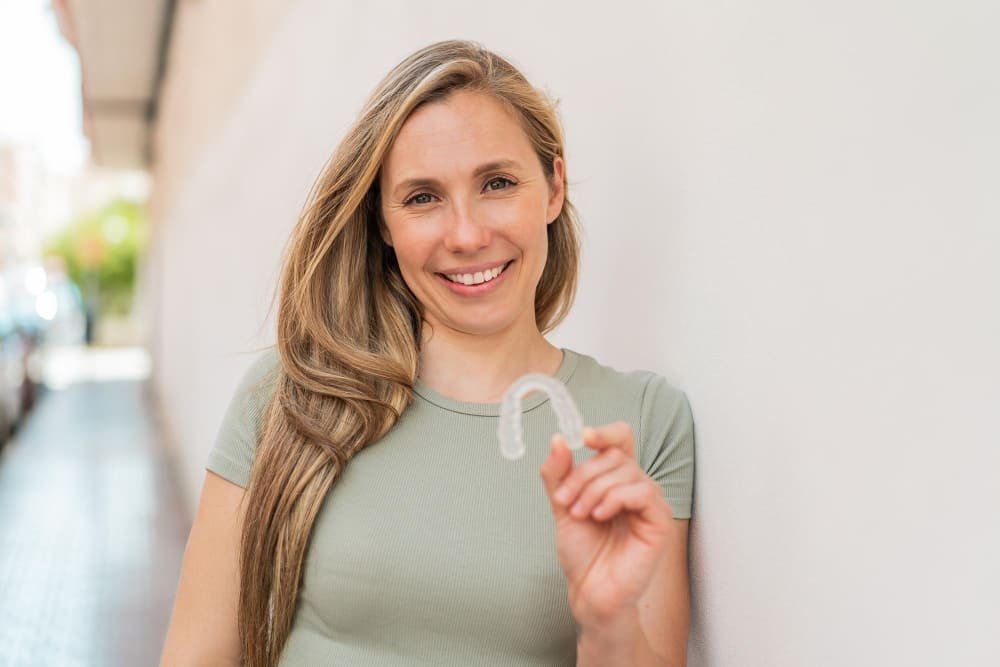
A balanced smile often improves more than appearance alone. Proper alignment can support oral hygiene, chewing comfort, and long-term dental stability. Patients exploring orthodontic options in Singapore now encounter a wider range of corrective systems, including ceramic braces, self-ligating appliances, and clear aligners designed for reduced visibility during daily interactions.
Cost remains one of the biggest deciding factors during treatment planning. Different systems involve varying materials, monitoring schedules, and correction complexity, which all influence final pricing. Many individuals researching transparent braces cost in Singapore discover that consultation quality, appliance selection, and treatment duration can significantly affect the overall financial commitment.
Understanding How Orthodontic Pricing Is Determined
Every alignment case presents different structural concerns. Minor spacing corrections may require shorter timelines, while severe crowding or bite irregularities often demand extended supervision and additional adjustments. Orthodontists usually perform a detailed assessment before providing a complete estimate.
Appliance technology also influences the final fee. Conventional metal braces generally remain more economical, whereas ceramic systems and removable aligners may carry higher pricing due to aesthetics and customization requirements. Diagnostic imaging, retainers, and review appointments can further contribute to the total amount.
Severity of Misalignment
Patients with overlapping teeth, jaw discrepancies, or bite complications usually require more complex movement planning. Extended correction periods naturally increase consultation frequency and adjustment sessions.
Appliance Material
Ceramic brackets and transparent aligners often cost more because they are designed to appear less noticeable. Their fabrication process also involves additional customization for each patient.
Treatment Duration
Longer orthodontic timelines involve additional monitoring visits and appliance maintenance. Cases requiring extraction or staged alignment commonly extend beyond standard treatment periods.
Follow-Up Services
Some clinics bundle retainers, polishing, and emergency reviews into their packages. Others charge separately for these services, creating noticeable differences between quotations.
Comparing Available Orthodontic Options
Metal braces continue to deliver dependable correction for both mild and severe alignment concerns. Modern designs are significantly smaller than older systems, allowing improved comfort throughout treatment.
Ceramic appliances provide a subtler appearance because the brackets blend more naturally with tooth color. Self-ligating systems also remain popular among adults and students due to reduced friction and simplified adjustment appointments.
- Metal braces offer strong corrective capability for complex cases.
- Ceramic systems create a less visible appearance during conversations.
- Self-ligating appliances may reduce chairside adjustment time.
- Clear aligners can be removed during meals and oral hygiene routines.
Why Consultation Quality Matters
Orthodontic evaluations involve more than visual examination alone. Clinics specializing in corrective dentistry often use digital scans, bite analysis, and photographic records to determine suitable movement strategies. Thorough planning can reduce future complications while improving treatment efficiency.
Patients should also understand the expected timeline before beginning care. Reliable providers generally explain dietary precautions, hygiene expectations, and retainer requirements during the consultation process. Clear communication often leads to smoother treatment experiences.
Digital Assessments
Modern orthodontic planning frequently includes digital scanning technology. These images help specialists evaluate tooth positioning with greater precision before appliance placement begins.
Bite Evaluation
Jaw alignment and chewing function are important considerations during treatment planning. Proper assessment helps determine whether extraction or additional correction may be necessary.
Oral Hygiene Guidance
Patients usually receive cleaning recommendations designed to protect enamel and gum health throughout the alignment process. Consistent hygiene reduces the likelihood of plaque buildup around brackets.
Factors Patients Should Compare Before Choosing a Clinic
Treatment pricing should never be the only deciding factor. Experience, communication quality, and long-term monitoring play equally important roles during orthodontic care. Patients often benefit from clinics focused specifically on corrective dentistry rather than general procedures alone.
Transparency regarding payment structures also matters. Some providers divide treatment into manageable installment plans, while others require larger upfront payments. Understanding these policies early can prevent financial misunderstandings later.
- Confirm whether retainers are included after alignment completion.
- Ask how frequently adjustment appointments are scheduled.
- Review emergency consultation availability before committing.
- Compare appliance maintenance instructions between systems.
The Growing Preference for Less Visible Orthodontics
Adults entering professional environments frequently seek discreet correction methods that minimize visual impact during meetings or social interactions. Ceramic braces and clear aligners have become increasingly popular because they support a more subtle appearance throughout treatment.
Teenagers also show growing interest in transparent systems. Many younger patients appreciate appliances that feel less noticeable in photographs and classroom settings. Orthodontists commonly recommend suitable options based on lifestyle, oral condition, and correction complexity.
Maintaining Oral Health During Alignment
Orthodontic appliances require consistent maintenance to prevent plaque accumulation and enamel concerns. Brushing techniques often change once brackets or aligners are introduced into the daily routine. Patients are usually advised to clean carefully around wires and attachment points.
Dietary adjustments can also improve appliance longevity. Sticky foods, hard snacks, and excessive sugary beverages may increase the risk of damage or hygiene complications during treatment. Regular monitoring appointments help ensure progress remains on schedule.
Cleaning Around Brackets
Specialized brushes and flossing tools can improve cleaning efficiency around orthodontic hardware. Thorough daily care supports healthier gums and reduces staining risk.
Managing Food Restrictions
Crunchy snacks and hard candies may damage brackets or wires. Orthodontists commonly recommend softer meal options during the initial adjustment phase.
Wearing Retainers Consistently
Retention plays a major role after alignment completion. Proper retainer use helps maintain corrected positioning and reduces the likelihood of relapse.
What Patients Can Expect During the Adjustment Period
Most individuals experience mild pressure during the early stages of orthodontic correction. This sensation usually decreases after several days as the mouth adapts to the appliance. Orthodontists may recommend softer foods temporarily to improve comfort.
Speech adjustments can also occur with aligners or certain bracket systems. Patients generally adapt within a short period, especially when appliances are worn consistently according to professional guidance.
Final Thoughts
Searching for a reliable path toward a healthier smile while balancing comfort and affordability? BRACESAURUS provides specialized orthodontic care through modern corrective systems, detailed consultations, and personalized treatment planning tailored to different alignment needs. Patients comparing options for braces treatment often value clinics that combine experienced supervision, transparent guidance, and contemporary appliance solutions designed for long-term dental stability.
