

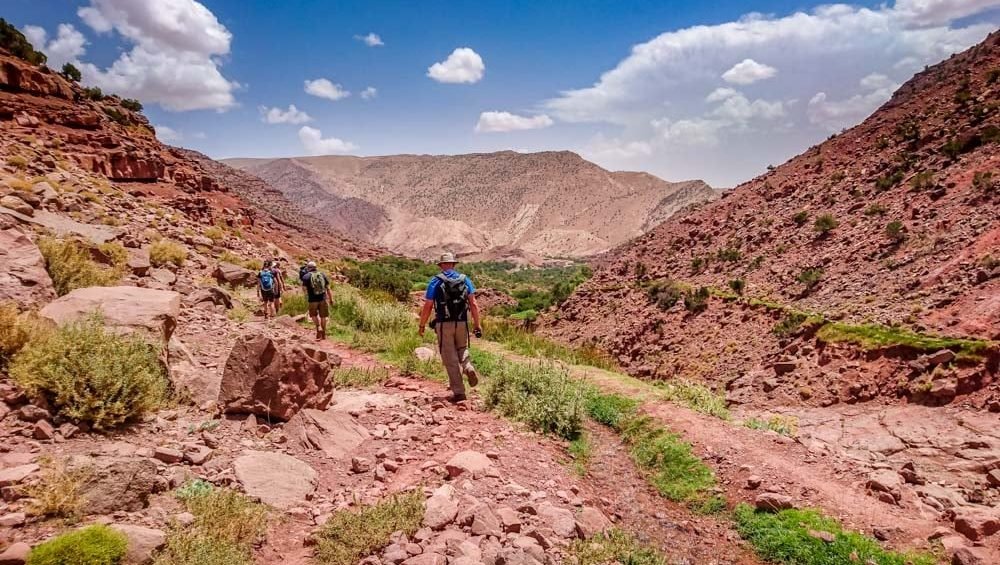
The Atlas Mountains stretch across North Africa like a rugged spine, offering dramatic landscapes, diverse cultures, and endless opportunities for adventure. For travelers and explorers, understanding the geography of this vast region is essential.
A well-designed atlas mountains map is more than just a navigational aid; it’s a gateway to discovering hidden valleys, remote villages, and breathtaking peaks.
Whether you’re planning a trek, a cultural journey, or a scenic road trip, having a detailed map can transform your experience from ordinary to unforgettable.
Understanding the Geography of the Atlas Mountains
The Atlas Mountains span over 2,500 kilometers across Morocco, Algeria, and Tunisia. They are divided into several distinct ranges, each with its own unique terrain and character:
- High Atlas – Home to the tallest peaks, including Mount Toubkal
- Middle Atlas – Known for cedar forests and wildlife
- Anti-Atlas – Older, lower mountains with desert-like scenery
- Tell Atlas – Northern range closer to the Mediterranean
A detailed atlas mountains map helps travelers distinguish between these regions and plan routes according to their interests, whether it’s hiking, wildlife spotting, or cultural exploration.
Why a Detailed Map Matters
Exploring mountainous terrain without proper navigation tools can be risky and limiting. A comprehensive map provides:
- Accurate elevation details for trekking routes
- Road networks, including paved and unpaved paths
- Locations of villages and towns
- Natural landmarks such as rivers, valleys, and peaks
For explorers venturing off the beaten path, a reliable atlas mountains map ensures safety while opening doors to lesser-known destinations.
Key Features to Look For in a Map
Not all maps are created equal. When choosing a map for the Atlas Mountains, consider the following features:
1. Topographical Details
Look for contour lines and elevation markings. These are essential for hikers and climbers who need to understand terrain difficulty.
2. Scale and Accuracy
A larger scale (e.g., 1:50,000) offers more detail, making it ideal for trekking. Smaller scales are better for general overviews.
3. Marked Trails and Routes
Some maps include established hiking paths, trekking circuits, and caravan routes used by locals.
4. Cultural and Historical Sites
Detailed maps often highlight kasbahs, ancient ruins, and traditional Berber villages.
5. Accessibility Information
Road conditions, seasonal closures, and transport routes can make or break a travel plan.
Exploring the High Atlas Region
The High Atlas is the most popular destination for adventurers. A good atlas mountains map of this region will highlight:
- Mount Toubkal routes
- Imlil Valley, a common trekking base
- Remote Berber villages
- High mountain passes like Tizi n’Tichka
This region is ideal for multi-day treks, and having a detailed map ensures you stay on track while exploring its dramatic landscapes.
Navigating the Middle Atlas
The Middle Atlas offers a completely different experience. Instead of rocky peaks, you’ll find:
- Dense cedar forests
- Lakes and waterfalls
- Wildlife, including Barbary macaques
Maps of this region are especially useful for road travelers and nature lovers. They help locate scenic drives and quiet retreats away from tourist crowds.
Discovering the Anti-Atlas
The Anti-Atlas is often overlooked, but it holds incredible beauty. A detailed Atlas Mountains map can guide you through:
- Unique rock formations
- Oasis towns
- Desert-edge landscapes
This region is perfect for those seeking solitude and photography opportunities. Navigation here can be tricky, making a reliable map essential.
Digital vs. Paper Maps
Modern travelers often rely on digital tools, but both formats have their advantages.
Digital Maps
- GPS-enabled navigation
- Real-time updates
- Easy route planning
Paper Maps
- No reliance on battery or signal
- Better overview of large areas
- Reliable in remote regions
For the Atlas Mountains, it’s wise to carry both. A digital atlas mountain map can help with day-to-day navigation, while a paper version provides a dependable backup.
Tips for Using Maps in the Atlas Mountains
To make the most of your map, keep these tips in mind:
- Learn basic navigation skills before your trip
- Mark key (points) such as accommodations and water sources
- Check weather conditions, as they can affect routes
- Consult locals, who often know shortcuts and safer paths
Combining map knowledge with local insight creates a richer and safer travel experience.
Cultural Insights Through Mapping
Maps don’t just show geography—they reveal culture. In the Atlas Mountains, they can help you discover:
- Traditional Berber settlements
- Weekly markets (souks)
- Historic trade routes
A detailed atlas mountains map allows you to plan visits that go beyond sightseeing, offering meaningful cultural interactions.
Planning Your Journey
Before setting out, use your map to:
- Define your route and key (stops)
- Estimate travel time based on terrain
- Identify accommodation options
- Locate emergency (points) clinics or stations
Preparation is key when exploring such a vast and varied region.
Conclusion
The Atlas Mountains are a treasure trove of natural beauty and cultural richness. To fully experience them, a detailed map is indispensable. It not only guides your journey but also enhances your understanding of the landscape and its people.
Whether you’re trekking through the High Atlas, driving across the Middle Atlas, or exploring the quiet corners of the Anti-Atlas, the right atlas mountains map will be your most valuable companion. With careful planning and the right tools, your adventure in this remarkable region can be both safe and unforgettable.
