

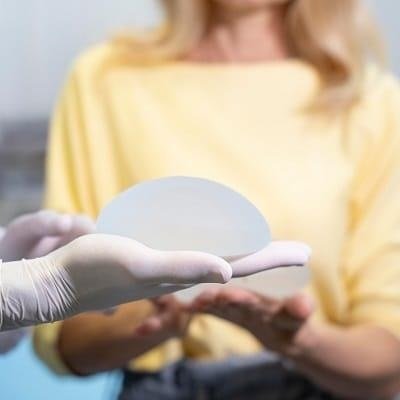
Breast augmentation is one of the most popular cosmetic procedures worldwide, helping individuals enhance breast size, improve shape, and achieve greater confidence in their appearance. While many people considering Breast Augmentation focus on implant types, recovery, and results, one of the most common questions remains: What age is best for breast augmentation?
The answer is not the same for everyone. The ideal age depends on physical development, emotional maturity, personal goals, lifestyle, and overall health. Understanding these factors can help individuals make informed decisions about whether they are ready for the procedure and when the timing may be most beneficial.
Understanding Breast Augmentation
Breast augmentation is a surgical procedure designed to increase breast size or improve breast shape using implants or fat transfer techniques. People choose breast augmentation for various reasons, including enhancing naturally small breasts, restoring volume after pregnancy or weight loss, correcting asymmetry, or achieving a more balanced body proportion.
Although the procedure can create long-lasting results, it is important to remember that breast augmentation is a personal decision that should be based on individual goals rather than age alone.
Minimum Age Requirements for Breast Augmentation
Before considering the best age for breast augmentation, it is important to understand the legal age guidelines.
For saline breast implants, many countries allow the procedure for individuals aged 18 and older. Silicone implants are often approved for patients aged 22 and older for cosmetic breast augmentation purposes. These age requirements exist because breast development may continue through the late teenage years and early adulthood.
However, meeting the minimum legal age does not necessarily mean someone is emotionally or physically ready for surgery. A comprehensive evaluation is always important before making a decision.
Why Physical Maturity Matters
One of the most important factors in determining the best age for breast augmentation is physical maturity. Breast tissue development should be complete before undergoing surgery.
When breast development is still ongoing, surgical results may change over time as the body continues to mature. This can affect the appearance of implants and potentially lead to dissatisfaction with the final outcome.
Signs that physical development may be complete include:
- Stable breast size for several years
- Consistent body weight
- Completion of puberty
- Overall physical maturity
For many individuals, this occurs between the ages of 18 and 22, although everyone develops at a different pace.
Breast Augmentation in the Early 20s
Many cosmetic surgery experts consider the early 20s to be a common age range for breast augmentation.
At this stage, most individuals have completed physical development and are better able to make informed decisions about their appearance. They often have clear expectations and understand both the benefits and limitations of surgery.
Advantages of breast augmentation in the early 20s may include:
- Faster healing and recovery
- Good skin elasticity
- Long-term enjoyment of results
- Increased confidence during young adulthood
However, individuals should carefully consider their future plans, including pregnancy, breastfeeding, and significant lifestyle changes that may affect breast appearance over time.
Is Breast Augmentation Suitable in the 30s?
For many people, their 30s can be an excellent time for breast augmentation. By this age, individuals often have greater emotional maturity, financial stability, and a clearer understanding of their aesthetic goals.
Some people choose breast augmentation after experiencing changes caused by pregnancy, breastfeeding, or weight fluctuations. The procedure can help restore lost volume and improve breast contour.
Benefits of undergoing breast augmentation in the 30s include:
- More realistic expectations
- Established lifestyle and personal goals
- Desire to restore breast fullness after childbirth
- Greater confidence in making long-term decisions
In many cases, individuals in their 30s are highly satisfied with their results because they have spent years considering the procedure before moving forward.
Breast Augmentation in the 40s and Beyond
There is no upper age limit for breast augmentation as long as an individual is healthy enough to undergo surgery. Many people in their 40s, 50s, and even later choose breast augmentation to enhance their appearance and improve self-confidence.
At this stage, the focus is often on restoring volume, addressing age-related changes, and achieving a more youthful breast shape.
Factors that become increasingly important include:
- Overall health status
- Skin quality and elasticity
- Existing medical conditions
- Recovery expectations
A thorough health assessment can help determine whether breast augmentation is an appropriate option for older adults.
Emotional Readiness Is Just as Important as Age
Age alone should never determine whether someone is ready for breast augmentation. Emotional readiness plays a significant role in achieving a positive experience and long-term satisfaction.
Individuals considering breast augmentation should:
- Have realistic expectations
- Understand the surgical process
- Be aware of recovery requirements
- Make the decision for themselves rather than due to outside pressure
- Understand that perfection is not guaranteed
People who are emotionally prepared and well-informed are generally more satisfied with their outcomes regardless of their age.
Lifestyle Considerations Before Choosing the Right Time
Timing can significantly influence the success and satisfaction of breast augmentation. Certain life events may affect breast appearance after surgery.
Important considerations include:
Future Pregnancy Plans
Pregnancy and breastfeeding can alter breast size, shape, and volume. Some individuals prefer to wait until after completing their family, while others choose surgery beforehand.
Weight Stability
Significant weight gain or weight loss can impact breast appearance. Maintaining a stable weight before surgery can help preserve results.
Career and Recovery Time
Recovery requires time away from strenuous activities. Choosing a period when adequate rest is possible can contribute to a smoother healing process.
Long-Term Maintenance
Breast implants are not considered lifetime devices. Future monitoring and possible replacement procedures may be necessary over time. Understanding this commitment is important regardless of age.
So, What Is the Best Age for Breast Augmentation?
There is no universal “perfect age” for breast augmentation. The ideal timing varies from person to person based on physical development, emotional readiness, overall health, and personal goals.
For many individuals, the early 20s provide an appropriate balance of physical maturity and youthful recovery. Others may find their 30s or 40s to be the best time because they have a clearer understanding of what they want and why they want it.
Ultimately, the best age for breast augmentation is when an individual is physically developed, emotionally prepared, healthy enough for surgery, and confident that the decision aligns with their personal goals.
Making a thoughtful, informed choice often leads to greater satisfaction and a more positive overall experience.
1. What is the minimum age for breast augmentation?
The minimum age typically depends on the type of implant used. Saline implants are generally available for individuals aged 18 and older, while silicone implants are often approved for those aged 22 and older for cosmetic purposes.
2. Is 18 too young for breast augmentation?
Not necessarily. Some individuals are physically and emotionally ready at 18, while others may benefit from waiting a few more years. Physical maturity and emotional readiness are more important than age alone.
3. Can breast augmentation be done after pregnancy?
Yes. Many individuals choose breast augmentation after pregnancy and breastfeeding to restore breast volume and improve shape.
4. Is there an age limit for breast augmentation?
There is generally no maximum age limit. As long as a person is in good overall health and suitable for surgery, breast augmentation may be considered.
5. Does age affect breast augmentation results?
Age can influence factors such as skin elasticity, healing speed, and breast tissue quality. However, healthy individuals of many ages can achieve successful outcomes.
6. How do I know if I am emotionally ready for breast augmentation?
Emotional readiness involves having realistic expectations, understanding the procedure and recovery process, and making the decision based on personal goals rather than external pressure.
Read More About Breast Augmentation: https://www.enjoyholistic.com/Group/Topic/4178/Choosing-Implants-for-Breast-Augmentation-A-Guide