


Author

fueindia1234

Browsing

When researching hair restoration procedures, most people focus on one question: “What is the hair transplant cost?” While the answer often depends on the number of grafts required, there is another important factor that many patients overlook—age.

Hair loss does not affect everyone in the same way. A person in their twenties experiencing early hairline recession will have different treatment needs than someone in their forties dealing with advanced baldness. As a result, age can indirectly influence the overall hair transplant cost by affecting the extent of hair loss, donor hair availability, future planning requirements, and the number of sessions needed.

Understanding how age impacts treatment planning can help patients make smarter decisions and achieve better long-term results.

Hair Loss Changes With Age

Hair loss is usually progressive. For many individuals, it starts with mild thinning around the temples or crown and gradually becomes more noticeable over the years. Because hair loss patterns evolve over time, surgeons must approach each age group differently.

Younger patients often have less hair loss but face greater uncertainty regarding future baldness. Older patients may have more stable hair loss patterns but require larger procedures to restore significant areas of thinning.

These differences directly affect treatment complexity and, ultimately, hair transplant cost.

Hair Transplant Cost in Your 20s

Many people begin noticing hair loss in their early twenties. While it can be emotionally challenging, surgeons often approach younger patients cautiously.

The primary concern is that hair loss may continue to progress for many years. Performing an aggressive transplant too early could create an unnatural appearance later if surrounding native hair continues to thin.

As a result, surgeons may recommend a conservative hairline design and a moderate number of grafts rather than attempting full restoration immediately.

In some cases, medical therapies are suggested before surgery to stabilize ongoing hair loss. Because younger patients usually have smaller bald areas, the initial hair transplant cost may be lower. However, future procedures could become necessary if hair loss progresses significantly.

This makes long-term planning especially important for younger individuals considering hair restoration.

Hair Transplant Cost in Your 30s

For many patients, their thirties represent an ideal period for hair transplantation. By this stage, hair loss patterns are often more predictable, allowing surgeons to design a restoration strategy with greater confidence.

Patients in this age group frequently seek treatment for receding hairlines, thinning crowns, or moderate hair loss affecting overall appearance.

Since the affected area is typically larger than in the twenties but not yet severely advanced, the required graft count often falls within a moderate range.

As a result, hair transplant cost for patients in their thirties usually reflects a balance between manageable graft requirements and long-term aesthetic planning.

This age group often achieves some of the most satisfying outcomes because surgeons can create natural-looking results while preserving donor hair for potential future needs.

Hair Transplant Cost in Your 40s

By the time patients reach their forties, hair loss patterns are generally well established. This allows surgeons to create more definitive treatment plans.

However, the extent of baldness is often greater than in younger age groups. Larger areas of thinning may require a higher number of grafts to achieve meaningful coverage and density.

Because more grafts are frequently needed, hair transplant cost may increase accordingly. Advanced restoration procedures may involve reconstructing the frontal hairline, mid-scalp region, and crown simultaneously.

The advantage is that surgeons can typically predict future hair loss more accurately, reducing the likelihood of unexpected changes that might affect long-term results.

For many patients in their forties, the investment delivers significant cosmetic improvement and renewed confidence.

Hair Transplant Cost in Your 50s and Beyond

Patients in their fifties and older are increasingly seeking hair transplantation as modern techniques continue to improve.

Contrary to popular belief, age alone does not disqualify someone from undergoing a hair transplant. The more important considerations are overall health, donor hair quality, and realistic expectations.

Many individuals in this age group have extensive hair loss, which may require substantial graft numbers to achieve desired coverage. This can increase hair transplant cost compared to smaller procedures.

At the same time, surgeons often prioritize natural age-appropriate results rather than recreating an extremely youthful hairline. The goal is to enhance appearance while maintaining harmony with facial features and age.

With proper planning, older patients can experience impressive and natural-looking outcomes.

Why Future Hair Loss Matters

One of the biggest factors influencing hair transplant cost is not current hair loss but future hair loss.

A responsible surgeon evaluates where hair loss is likely to progress over the coming years. This helps preserve donor hair and ensures that future restoration options remain available if needed.

For younger patients, predicting future hair loss is particularly important. A low-cost procedure that ignores long-term planning may eventually require multiple corrective treatments.

Conversely, a carefully planned procedure may initially involve higher costs but can prevent unnecessary surgeries later.

This highlights why hair transplant cost should always be considered in relation to long-term value rather than immediate affordability.

Donor Hair Availability and Cost

Every patient has a limited supply of donor hair. The quality and density of this donor area significantly influence treatment possibilities.

Younger patients often have stronger donor reserves, while older individuals may experience some reduction in donor density over time. When donor resources are limited, surgeons must strategically allocate grafts to achieve maximum cosmetic benefit.

Advanced planning, specialized extraction techniques, and efficient graft management can influence the overall complexity of the procedure and therefore affect hair transplant cost.

Patients should remember that donor hair is a valuable resource that must be used wisely to ensure sustainable results.

Single Session vs Multiple Procedures

Age can also influence whether a patient requires one procedure or multiple sessions.

A younger patient with mild recession may achieve excellent results through a single treatment. In contrast, someone with advanced hair loss may need larger or staged procedures to restore multiple regions of the scalp.

Although multiple sessions naturally increase the total hair transplant cost, they may provide better coverage and more natural density when extensive restoration is required.

Understanding the potential need for future treatments helps patients set realistic expectations regarding both outcomes and investment.

Looking Beyond Price Alone

Many prospective patients compare clinics solely based on quoted prices. However, the true value of a hair transplant depends on several factors beyond cost.

Surgeon experience, clinic reputation, graft survival rates, treatment planning, technology, and post-operative support all contribute to the final outcome.

A procedure that appears inexpensive initially may become costly if poor results require correction. Conversely, a well-executed transplant performed by an experienced team can provide lasting satisfaction for many years.

When evaluating hair transplant cost, patients should focus on quality, safety, and long-term success rather than choosing the lowest available price.

Conclusion

Hair transplant cost is influenced by far more than the number of grafts transplanted. Age plays a significant role by affecting hair loss progression, treatment planning, donor hair availability, and future restoration needs.

Patients in their twenties often require conservative long-term strategies, while those in their thirties and forties may benefit from more predictable treatment planning. Older individuals can also achieve excellent outcomes when procedures are tailored to their unique goals and hair characteristics.

Ultimately, the best approach is to view hair transplant cost as an investment in long-term appearance and confidence. By working with an experienced surgeon who considers both current and future hair loss, patients can achieve natural-looking results that continue to provide value for years to come.

When people begin researching solutions for hair thinning and hair loss, one of the first treatments they encounter is Platelet-Rich Plasma (PRP) therapy. Alongside questions about effectiveness and results, another common concern quickly emerges: why does the PRP treatment price vary so dramatically between clinics?

A quick online search reveals an enormous price range. Some clinics advertise PRP sessions at surprisingly low rates, while others charge significantly higher fees for seemingly the same procedure. This often leaves patients wondering whether premium-priced PRP treatments are genuinely better or simply more expensive.

The truth lies somewhere in between. While higher prices do not automatically guarantee superior outcomes, extremely low prices may raise concerns about quality, safety, and treatment standards. Understanding the factors that separate budget and premium PRP treatments can help patients make smarter decisions and avoid costly mistakes.

Understanding What PRP Therapy Actually Involves

PRP therapy is a non-surgical hair restoration procedure that uses the patient’s own blood to promote hair growth. A blood sample is collected, processed through a centrifuge, and the platelet-rich plasma is extracted and injected into targeted areas of the scalp.

The platelets contain growth factors that may stimulate weakened hair follicles, improve scalp health, and encourage thicker hair growth.

While the concept is relatively simple, the way PRP is prepared and administered can differ significantly from one clinic to another, which directly impacts the overall PRP treatment price.

Why Some Clinics Offer Extremely Low PRP Prices

Affordable pricing often attracts attention, particularly among individuals looking for cost-effective hair loss treatments. However, lower pricing may result from several factors.

Some clinics use basic centrifuge machines that produce lower platelet concentrations. Others may spend less on disposable medical supplies, staff training, or patient monitoring.

In certain cases, the treatment may be performed largely by technicians with limited involvement from experienced doctors. While these approaches can reduce operating expenses, they may also affect treatment consistency and patient experience.

This does not mean every low-cost clinic provides poor treatment. However, patients should understand why the pricing is lower before making a decision.

What Makes Premium PRP Treatments More Expensive?

Premium clinics often justify higher treatment costs through investments in technology, expertise, and patient care.

Advanced PRP systems are designed to achieve higher platelet concentrations and better separation of blood components. These systems often require specialized equipment and higher-quality consumables.

Experienced hair restoration specialists may also spend more time evaluating the patient’s condition, identifying the underlying causes of hair loss, and creating customized treatment plans.

Many premium clinics provide:

  • Detailed scalp analysis
  • Personalized treatment protocols
  • Advanced PRP preparation systems
  • Sterile treatment environments
  • Doctor-led procedures
  • Comprehensive follow-up care

These additional services contribute to a higher PRP treatment price, but they may also enhance the overall treatment experience.

Does a Higher Price Mean Better Results?

This is perhaps the most important question for prospective patients.

The answer is not always.

A clinic charging premium rates may provide excellent care, but price alone should never be used as the sole indicator of quality. Similarly, a reasonably priced clinic may deliver outstanding results if it follows proper protocols and employs qualified professionals.

Patients should focus on the value being offered rather than the price itself.

Questions worth asking include:

  • Who performs the treatment?
  • What type of PRP technology is used?
  • How many PRP sessions are recommended?
  • Are consultations included?
  • What kind of follow-up support is available?
  • Can the clinic provide before-and-after results?

These factors often provide a more accurate picture of treatment quality than pricing alone.

Hidden Differences Patients Often Overlook

Many people compare PRP costs without realizing that treatment packages can vary considerably.

One clinic may quote the cost of a single session, while another may advertise a package that includes multiple sessions, consultations, medications, and follow-up visits.

A seemingly expensive treatment package may actually offer greater long-term value when all services are considered.

Patients should carefully examine:

  • Number of sessions included
  • Consultation fees
  • Scalp assessments
  • Maintenance treatments
  • Follow-up appointments
  • Additional therapies combined with PRP

Understanding these details prevents confusion when comparing treatment costs.

The Importance of Doctor Involvement

One often overlooked factor affecting PRP pricing is the level of physician participation.

Hair restoration is not simply about administering injections. It involves diagnosing the cause of hair loss, selecting appropriate candidates for treatment, and adjusting protocols based on individual needs.

Clinics where experienced doctors actively oversee the procedure may charge more than facilities that rely primarily on technicians.

Many patients feel more confident knowing their treatment is being managed by a specialist with extensive experience in hair restoration. This added expertise often contributes to the difference in PRP treatment price.

Safety Should Never Be Compromised

When evaluating treatment costs, safety should remain a top priority.

Proper sterilization procedures, disposable medical kits, quality-controlled equipment, and trained medical personnel all contribute to a safer treatment environment.

These measures increase operational costs but help reduce the risk of complications and ensure a more professional experience.

A low-cost treatment may seem appealing initially, but potential risks associated with poor clinical standards can outweigh any short-term savings.

Looking Beyond the Price Tag

The most successful patients are often those who evaluate PRP therapy from a long-term perspective.

Instead of focusing solely on the cheapest option, they consider:

  • Clinic reputation
  • Medical expertise
  • Technology used
  • Patient reviews
  • Treatment transparency
  • Expected outcomes

This approach helps them identify clinics that offer genuine value rather than simply the lowest advertised price.

Hair restoration is an investment in confidence and appearance. Choosing a provider based entirely on cost can sometimes lead to disappointing results and additional expenses later.

How to Choose the Right PRP Treatment

When comparing clinics, consider creating a checklist that includes:

  • Qualifications of the treating doctor
  • Experience in hair restoration
  • Quality of PRP equipment
  • Number of recommended sessions
  • Transparency in pricing
  • Before-and-after patient results
  • Follow-up care and support

This method allows patients to compare providers objectively rather than relying solely on pricing advertisements.

Final Thoughts

The wide variation in PRP treatment price reflects differences in expertise, equipment, treatment protocols, and patient care standards. While affordability is important, selecting a clinic based purely on the lowest cost may not always deliver the best value.

Instead of asking, “Which clinic offers the cheapest PRP treatment?” patients should ask, “Which clinic offers the best combination of quality, safety, expertise, and results?”

The answer to that question often leads to a more satisfying treatment experience and better long-term outcomes. By understanding what contributes to PRP pricing, patients can make informed decisions and invest wisely in their hair restoration journey.

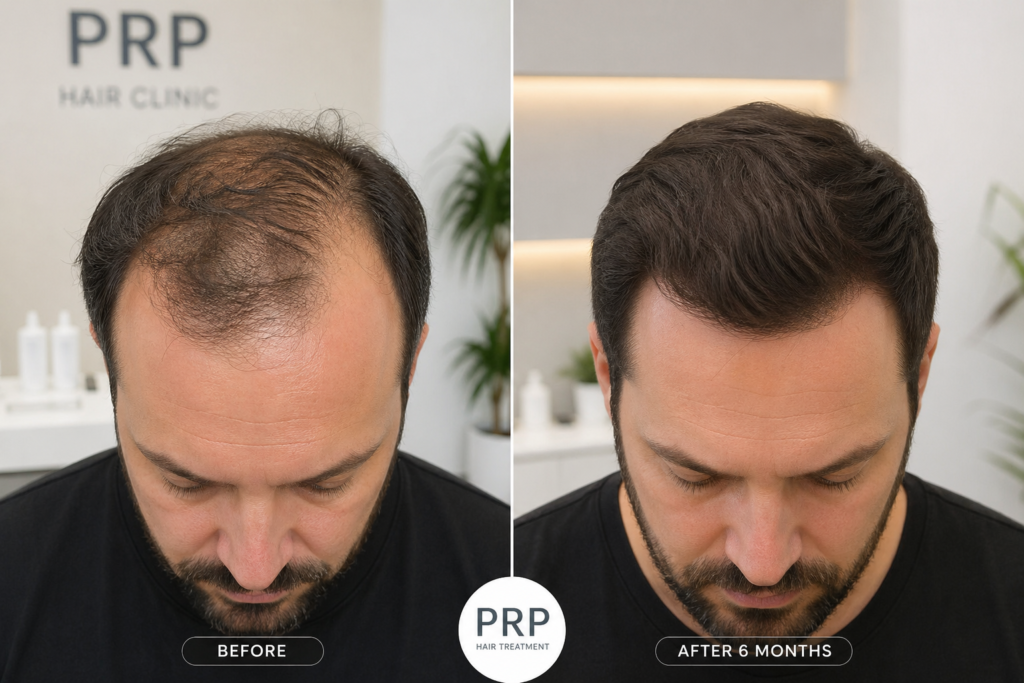
Hair transplantation has become one of the most effective and permanent solutions for hair loss. However, one common misconception is that every patient will achieve the same results. Many people compare online Hair Transplant Before and After photos and expect an identical transformation, but every hair restoration journey is unique.

Several factors, including the Norwood scale classification, hair texture, genetics, graft count, and the treatment technique used, influence the final outcome. Understanding these differences helps patients develop realistic expectations and appreciate that successful hair restoration is about achieving the best possible result for their individual condition rather than copying someone else’s transformation.

Understanding Hair Transplant Before and After Results

A hair transplant involves moving healthy hair follicles from a donor area, typically the back or sides of the scalp, to areas experiencing thinning or baldness. Although the procedure follows the same medical principles for every patient, the final appearance depends on multiple personal factors.

This is why Hair Transplant Before and After results vary from one individual to another, even when surgeries are performed by the same surgeon.
1. Norwood Scale Classification Determines the Treatment Plan

The Norwood Scale is the standard system used to classify male pattern baldness and helps surgeons determine the most appropriate treatment approach.

Norwood Stage 1–2

Patients with minimal hair loss usually require fewer grafts and can often achieve excellent density with a single procedure.

Norwood Stage 3–4

Hairline recession becomes more noticeable, requiring a moderate number of grafts to restore a natural appearance.

Norwood Stage 5–7

Advanced hair loss involves larger bald areas, making strategic graft placement and donor management essential for balanced coverage.

Because every stage requires a different treatment strategy, Hair Transplant Before and After results should always be evaluated based on the patient’s original hair loss pattern rather than comparing different cases.

2. Hair Texture Influences Density

Hair texture significantly affects how dense a transplant appears after healing.

Thick Hair

Thicker hair shafts cover more scalp area, creating a fuller appearance with fewer grafts.

Fine Hair

Fine hair may require more grafts to achieve similar visual density.

Curly or Wavy Hair

Curly hair naturally adds volume and provides better scalp coverage.

Straight Hair

Straight hair lies flatter, making the scalp slightly more visible despite successful graft growth.

These natural differences explain why two patients receiving the same number of grafts can have completely different Hair Transplant Before and After outcomes.

3. Genetics Affect Long-Term Results

Genetics play an important role in determining both hair quality and recovery.

They influence:

  • Hair thickness
  • Growth speed
  • Hair color
  • Hair density
  • Future hair loss progression
  • Healing ability

Some patients experience rapid growth within six months, while others continue improving for up to twelve months or longer.

Since genetics cannot be controlled, Hair Transplant Before and After timelines naturally differ from person to person.

4. Graft Count Makes a Significant Difference

The number of transplanted grafts directly impacts the amount of coverage that can be achieved.

Typical graft requirements include:

  • 1,000–1,500 grafts: Minor hairline correction
  • 2,000–3,000 grafts: Frontal restoration and moderate thinning
  • 3,500–5,000 grafts: Extensive baldness and crown restoration

However, more grafts do not always guarantee better results. An experienced surgeon focuses on creating natural density while preserving donor hair for the future.

Proper graft planning leads to balanced and long-lasting Hair Transplant Before and After transformations.

5. Treatment Technique: FUE vs FUT

The surgical method also affects recovery and appearance.

FUE (Follicular Unit Extraction)

  • Individual follicles are extracted one by one
  • Minimal linear scarring
  • Faster healing
  • Ideal for shorter hairstyles
  • Less invasive procedure

FUT (Follicular Unit Transplantation)

  • A strip of scalp is removed from the donor area
  • Higher graft numbers may be possible in one session
  • Leaves a linear scar
  • Suitable for patients requiring extensive restoration

Both techniques can produce excellent Hair Transplant Before and After results when performed by an experienced surgeon. The best option depends on the patient’s needs and donor availability.

6. Donor Hair Quality Matters

Every hair transplant relies on the strength and density of the donor area.

A healthy donor area provides:

  • Strong follicles
  • Better graft survival
  • Natural density
  • Long-lasting results

Patients with thick donor hair often achieve fuller coverage than those with limited donor resources.

Careful donor management also ensures that additional procedures remain possible if future hair loss occurs.

7. Age and Future Hair Loss

Age influences both treatment planning and long-term satisfaction.

Younger patients may continue losing native hair after surgery, making long-term planning essential. Surgeons often design a mature, natural hairline instead of creating an aggressively low one.

Older patients with stabilized hair loss generally achieve more predictable outcomes.

This personalized approach ensures Hair Transplant Before and After results remain natural for many years.

8. Healing and Recovery Vary

Every person’s body heals differently.

Several factors influence recovery, including:

  • Overall health
  • Nutrition
  • Lifestyle habits
  • Smoking
  • Stress levels
  • Compliance with aftercare instructions

Some patients notice early growth by the third month, while others see significant improvement after six months.

Patience is essential throughout the Hair Transplant Before and After journey.

Why Realistic Expectations Are Important

Many patients expect immediate and dramatic changes after surgery, but hair restoration is a gradual process.

Typical recovery includes:

  • Week 1–2: Healing and scab formation
  • Month 1: Temporary shock loss
  • Month 3–4: Initial new hair growth
  • Month 6: Noticeable increase in density
  • Month 9–12: Final natural-looking results

Understanding this timeline helps reduce anxiety and improves overall satisfaction.

Tips for Achieving the Best Results

To maximize your outcome:

  • Choose an experienced hair transplant surgeon.
  • Follow all post-operative instructions carefully.
  • Avoid smoking and excessive alcohol consumption.
  • Maintain a healthy, protein-rich diet.
  • Protect your scalp from direct sunlight.
  • Attend scheduled follow-up appointments.
  • Be patient and allow the natural growth cycle to progress.

Conclusion

Every Hair Transplant Before and After journey is unique because every patient has different hair characteristics, genetics, donor availability, and hair loss patterns. Factors such as the Norwood scale classification, hair texture, graft count, and the choice between FUE and FUT all contribute to the final result.

Rather than comparing your progress with someone else’s, focus on achieving the best possible outcome for your individual condition. With realistic expectations, expert surgical planning, and proper aftercare, a hair transplant can provide natural, long-lasting results that restore both your hair and your confidence.