

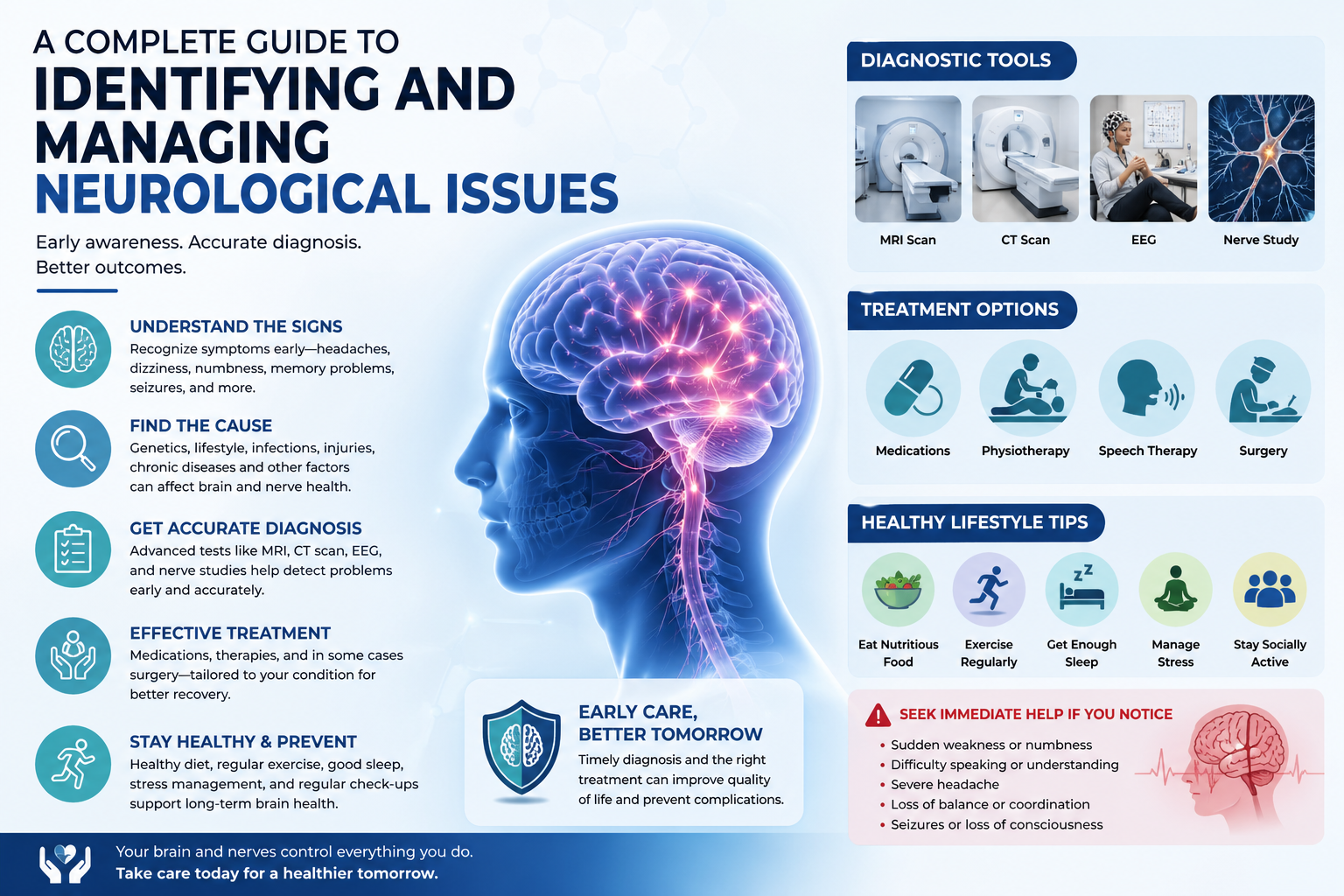
Neurological issues can affect people of all ages and often require timely attention to prevent complications. Understanding the symptoms, causes, and treatment options is essential for maintaining brain and nerve health. Early awareness and proper medical care can make a significant difference in managing these conditions effectively.
Understanding Neurological Disorders
Neurological disorders involve conditions that affect the brain, spinal cord, and nerves throughout the body. These conditions can range from mild concerns such as headaches to more serious disorders like stroke, epilepsy, and neurodegenerative diseases. Since the nervous system controls nearly every function in the body, any disruption can lead to noticeable health challenges.
Common neurological conditions include migraines, Parkinson’s disease, Alzheimer’s disease, multiple sclerosis, and peripheral neuropathy. Each condition presents unique symptoms, making accurate diagnosis essential for proper treatment.
Common Symptoms to Watch For
Recognizing early signs of neurological issues can help prevent complications. Symptoms vary depending on the condition but often include persistent headaches, dizziness, numbness, or tingling sensations. Muscle weakness, lack of coordination, and difficulty maintaining balance are also common warning signs.
Other symptoms may include memory problems, confusion, seizures, difficulty speaking, and vision disturbances. Sudden onset of symptoms such as severe headache, paralysis, or loss of consciousness requires immediate medical attention.
Causes and Risk Factors
Neurological disorders can develop due to a wide range of factors. Some conditions are inherited, while others may result from infections, injuries, or environmental influences. Autoimmune disorders and tumors can also affect the nervous system.
Lifestyle choices play a crucial role in neurological health. Poor diet, lack of exercise, smoking, and excessive alcohol consumption can increase the risk. Chronic conditions such as diabetes and hypertension may also contribute to neurological complications over time.
Importance of Early Diagnosis
Early diagnosis is critical in managing neurological disorders effectively. Detecting a condition at an early stage allows for timely treatment, which can slow disease progression and improve quality of life.
Healthcare professionals rely on a combination of clinical evaluations and advanced technologies to identify neurological problems. Regular check-ups and awareness of symptoms can lead to faster diagnosis and better outcomes.
Diagnostic Methods and Evaluation
Accurate diagnosis often involves a thorough medical history and physical examination. Doctors assess reflexes, muscle strength, coordination, and sensory responses to detect abnormalities in the nervous system.
Modern testing methods such as MRI scans, CT scans, EEGs, and nerve conduction studies provide detailed insights into brain and nerve function. Access to reliable Diagnostic Labs In Chennai ensures that patients receive precise and timely test results, which are essential for confirming diagnoses and planning treatment strategies.
Treatment Options for Neurological Disorders
Treatment depends on the specific neurological condition and its severity. In many cases, a combination of therapies is used to achieve the best results. Medications are commonly prescribed to control symptoms such as pain, inflammation, seizures, or muscle stiffness.
In certain situations, surgical procedures may be required to address underlying issues such as tumors or structural abnormalities. Rehabilitation therapies, including physiotherapy, occupational therapy, and speech therapy, are also important for recovery and improving daily functioning.
Consulting the Best Neurologist In Chennai can help patients receive expert guidance and personalized treatment plans tailored to their condition.
Lifestyle Changes for Better Neurological Health
Adopting a healthy lifestyle can significantly support neurological health and reduce the risk of disorders. A balanced diet rich in essential nutrients, regular physical activity, and proper sleep are key factors in maintaining brain function.
Stress management techniques such as yoga, meditation, and deep breathing exercises can improve mental well-being. Avoiding harmful habits like smoking and excessive alcohol consumption further protects the nervous system.
Preventive Measures
Although not all neurological disorders can be prevented, certain measures can reduce risk. Wearing protective gear during physical activities and avoiding head injuries can help safeguard the brain and spinal cord.
Keeping the mind active through reading, puzzles, and learning new skills supports cognitive health. Social interaction and emotional well-being also play an important role in maintaining neurological balance.
When to Seek Medical Help
It is important to seek medical advice if you experience persistent or unusual symptoms. Early intervention can prevent complications and improve recovery outcomes.
Immediate medical attention is necessary if symptoms such as sudden weakness, difficulty speaking, severe headache, or loss of coordination occur. These may indicate serious conditions requiring urgent care.
Conclusion
Neurological health is essential for overall well-being, and understanding the early signs of disorders can lead to timely intervention. Advances in medical science have made diagnosis and treatment more effective, helping patients lead better lives.
By staying informed, making healthy lifestyle choices, and seeking professional care when needed, individuals can manage neurological conditions more effectively and maintain a good quality of life.
