

A fever is one of the most common symptoms of influenza. While it can leave you feeling exhausted, achy, and uncomfortable, it is actually part of your body’s natural defense system. A rise in body temperature helps your immune system fight off viruses more effectively. However, when a fever becomes persistent or makes daily activities difficult, many people start searching for practical ways to recover sooner.
Understanding how to break a fever from the flu can help you stay comfortable, avoid dehydration, and support your body’s healing process. Although there is no instant cure for influenza, several proven strategies can ease symptoms and help you feel better faster.
At Axiv, we believe that reliable health information empowers individuals to make informed decisions about their wellness. This guide explains safe and effective methods to manage flu-related fever while promoting a smoother recovery.
How to Break a Fever From the Flu and Feel Better Faster
Understand Why Flu Causes Fever
Influenza viruses trigger an immune response that releases chemicals called pyrogens. These substances signal the brain to increase body temperature. A mild to moderate fever can slow viral replication and enhance immune activity.
Most flu fevers range between 100°F and 104°F and typically last three to four days. During this period, proper symptom management becomes essential.
Knowing how to break a fever from the flu starts with recognizing that not every fever needs aggressive treatment. The primary goal is often to reduce discomfort and prevent complications rather than eliminate the fever immediately.
Get Plenty of Rest
One of the most effective remedies for flu recovery is adequate rest. Your body uses significant energy to fight infection, and pushing yourself too hard can prolong symptoms.
Consider these tips for better rest:
- Sleep for at least seven to nine hours each night.
- Avoid strenuous exercise.
- Limit screen time if headaches or fatigue worsen.
- Take short naps throughout the day if needed.
Creating a quiet and comfortable environment can make a noticeable difference in recovery.
Stay Hydrated Throughout the Day
Fever increases fluid loss through sweating, which raises the risk of dehydration. Even mild dehydration may intensify headaches, dizziness, and weakness.
Helpful beverages include:
- Water
- Herbal teas
- Clear broths
- Electrolyte drinks
- Diluted fruit juices
Signs of dehydration include dry mouth, dark urine, and reduced urination frequency.
Try drinking small amounts regularly rather than consuming large quantities at once.
Dress Comfortably and Regulate Room Temperature
It may seem logical to bundle up when experiencing chills, but excessive clothing and heavy blankets can trap heat and raise body temperature further.
Instead:
- Wear lightweight cotton clothing.
- Use a thin blanket if chills occur.
- Keep the room temperature comfortable.
- Allow fresh air circulation when possible.
These simple adjustments can help the body naturally release excess heat.
Use Fever Reducing Medications Responsibly
Over the counter medications can provide temporary relief from fever and body aches associated with influenza.
Common options include acetaminophen and ibuprofen.
Before taking any medication:
- Follow package instructions carefully.
- Avoid exceeding the recommended dosage.
- Speak with a healthcare professional if you have underlying medical conditions.
- Do not give aspirin to children or teenagers recovering from viral illnesses.
Many people researching how to break a fever from the flu find that combining medication with proper hydration and rest produces the best results.
Eat Nutritious Foods That Support Recovery
Loss of appetite is common during the flu, but consuming nutrient-rich foods helps maintain energy levels and supports immune function.
Easy-to-digest foods include:
- Oatmeal
- Bananas
- Rice
- Applesauce
- Yogurt
- Vegetable soups
- Whole grain toast
Protein sources such as eggs, chicken, and legumes can also aid tissue repair.
Do not force yourself to eat large meals. Smaller portions consumed several times a day are often easier to tolerate.
Try a Lukewarm Sponge Bath
A lukewarm sponge bath may provide temporary comfort when body temperature feels excessively high.
Remember these precautions:
- Use lukewarm water rather than cold water.
- Avoid ice baths.
- Stop immediately if shivering develops.
Cold water can cause blood vessels to constrict, which may actually increase internal body temperature.
Monitor Symptoms Carefully
Most flu fevers improve within a few days, but certain warning signs require medical attention.
Seek professional care if you experience:
- Difficulty breathing
- Chest pain
- Severe dehydration
- Persistent vomiting
- Confusion
- Fever lasting more than five days
- Temperature above 104°F
Young children, pregnant individuals, older adults, and people with weakened immune systems should be especially cautious.
Understanding how to break a fever from the flu also means recognizing when home care is no longer enough.
Support Recovery With Healthy Habits
Flu recovery does not end when the fever disappears. Continuing healthy habits helps rebuild strength and lowers the chance of setbacks.
Helpful practices include:
- Gradually resuming normal activities.
- Washing hands frequently.
- Avoiding close contact with others until fever-free for at least 24 hours.
- Maintaining a balanced diet.
- Prioritizing sleep.
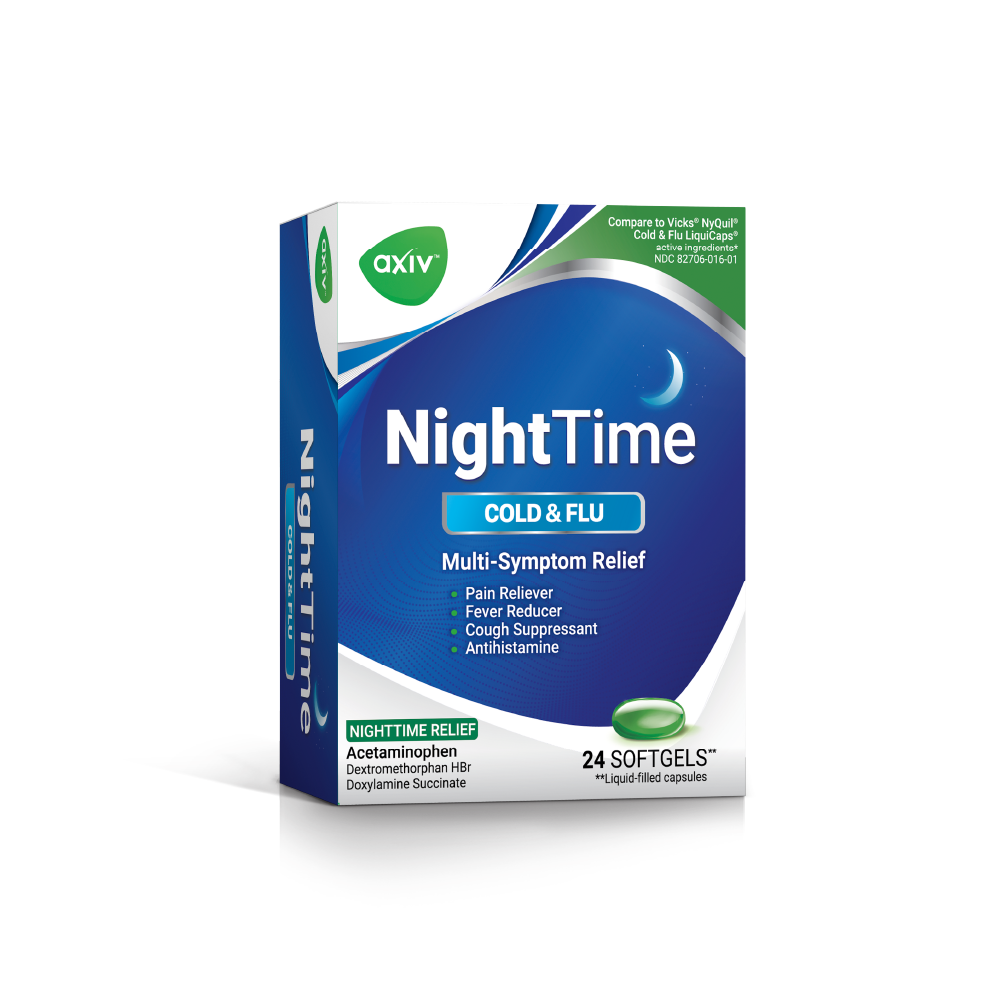
Some individuals also benefit from using daytime or nighttime symptom relief products to manage cough, congestion, and discomfort while recovering. Axiv encourages consumers to follow product directions and consult healthcare professionals whenever questions arise.
Common Mistakes to Avoid
Several misconceptions can delay recovery.
Avoid these common errors:
- Ignoring hydration needs.
- Returning to work too early.
- Taking multiple medications containing the same active ingredient.
- Using alcohol to lower body temperature.
- Consuming excessive caffeine.
Recovery takes time, and patience is often one of the most valuable tools during illness.
Conclusion
Flu-related fever can be physically draining and emotionally frustrating, especially when accompanied by chills, body aches, and fatigue. Fortunately, most cases respond well to supportive home care measures.
Learning how to break a fever from the flu involves focusing on hydration, rest, proper nutrition, comfortable surroundings, and responsible medication use. These strategies may not eliminate the virus overnight, but they can ease discomfort and help you regain your energy more quickly.
Listening to your body and seeking medical guidance when symptoms worsen are important steps toward a safer recovery. By following evidence-based practices and maintaining healthy habits, you can improve your comfort and return to your routine feeling stronger and more prepared for future flu seasons.
