
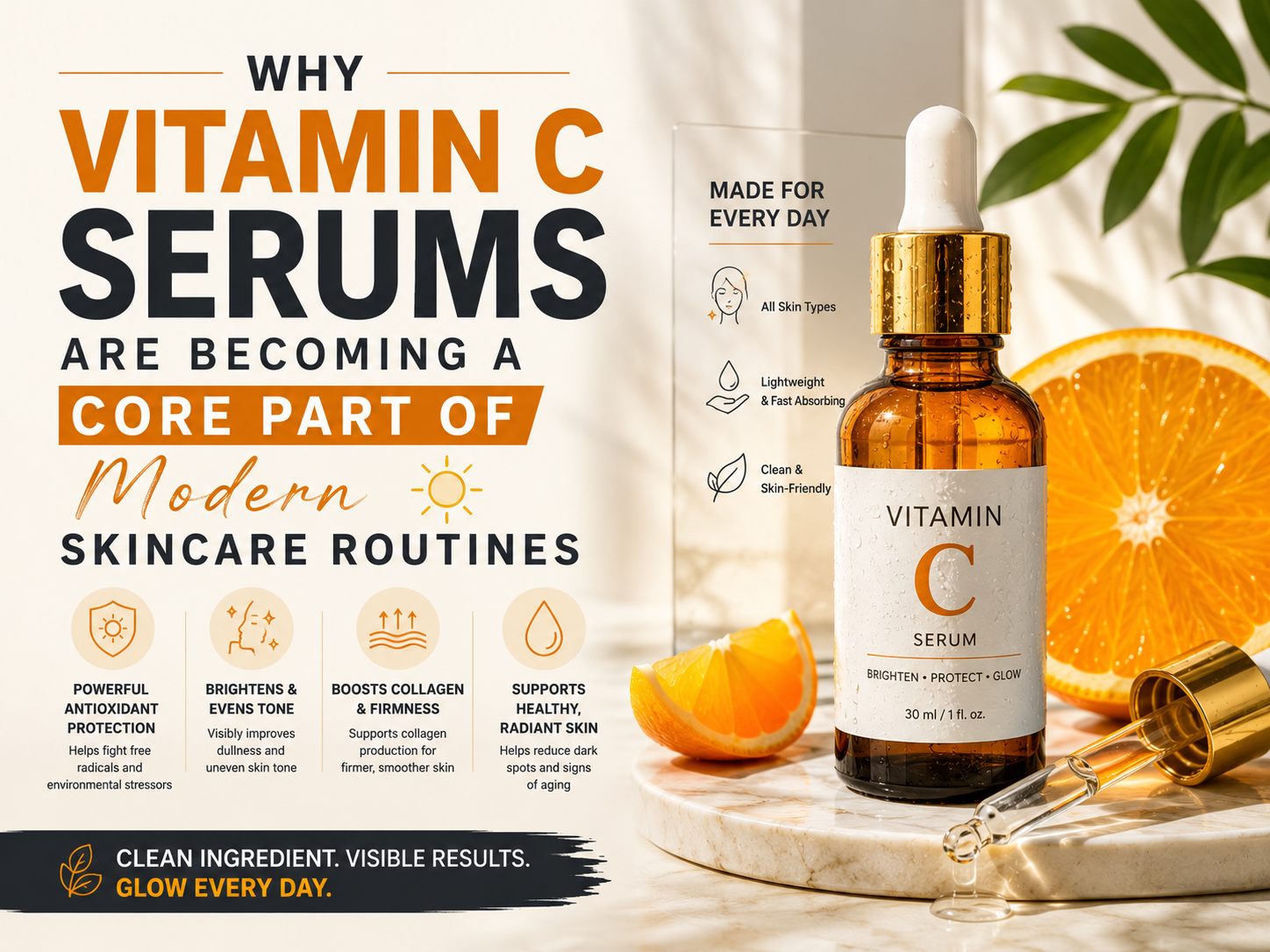
The global skincare industry has witnessed a noticeable shift toward ingredient-focused beauty products, as consumers increasingly prioritize formulations associated with skin health, preventive care, and long-term wellness. Among the most recognized skincare ingredients, Vitamin C has gained significant attention across both premium and affordable skincare categories. What was once considered a specialized dermatology-focused ingredient has now become a mainstream component in everyday skincare routines.
According to the study published by MarkNtel Advisors, rising skincare awareness, increasing interest in preventive beauty practices, and growing demand for antioxidant-based formulations are contributing to the expansion of the global Vitamin C serum market. The category continues to attract consumers looking for products associated with hydration, skin brightening, and protection against environmental stressors.
Preventive Skincare Is Influencing Consumer Habits
Consumer skincare behavior has gradually shifted from corrective treatments toward preventive skincare routines. Instead of addressing skin concerns only after they become visible, many consumers now adopt skincare products earlier as part of long-term maintenance and wellness-focused routines.
Vitamin C is widely associated with antioxidant properties that may help reduce the effects of environmental exposure and oxidative stress on the skin. The National Institutes of Health (NIH) Vitamin C Fact Sheet explains that Vitamin C contributes to protecting cells from damage caused by free radicals. This scientific association has strengthened the ingredient’s visibility within skincare formulations marketed around daily skin support and environmental defense.
Urban lifestyles have also contributed to rising interest in protective skincare products. Increased exposure to pollution, prolonged screen time, and changing lifestyle patterns have encouraged consumers to explore products designed to support skin health over time.
Growing Awareness Around Environmental Skin Stress
Environmental factors are becoming a larger part of skincare discussions globally. Exposure to ultraviolet radiation, pollution, and climate-related skin stress has increased consumer interest in products positioned around protection and maintenance.
The World Health Organization (WHO) UV Radiation Guidance highlights the impact of ultraviolet exposure on skin health, including premature skin aging and other long-term effects. As public awareness around these concerns grows, skincare categories associated with antioxidants and daily skin protection continue to gain traction.
Vitamin C serums are frequently incorporated into daytime skincare routines because of their association with antioxidant support. This positioning has helped the category remain relevant across multiple consumer groups, including younger consumers focused on preventive care and older demographics interested in skin maintenance.
Social Media Has Accelerated Ingredient-Focused Beauty Trends
Digital platforms have played a significant role in transforming consumer understanding of skincare ingredients. Social media content from dermatologists, skincare creators, and beauty educators has increased public familiarity with concepts such as skin barrier health, antioxidants, and active ingredients.
Rather than purchasing products based solely on brand recognition, consumers increasingly evaluate skincare products through ingredient lists, formulation transparency, and product compatibility. Vitamin C has become one of the most searched and discussed skincare ingredients across digital beauty communities.
This increased ingredient awareness has encouraged brands to adopt more educational marketing approaches, including transparent labeling, concentration disclosures, and dermatologist-supported product explanations. As a result, skincare purchasing decisions are becoming more research-oriented and informed.
Product Innovation Is Expanding the Market
The Vitamin C serum category has evolved considerably in terms of formulation technology and product accessibility. Earlier concerns surrounding oxidation, instability, or irritation limited adoption among some consumers. However, advancements in stabilized Vitamin C derivatives and formulation methods have improved product usability across different skin types.
Many skincare manufacturers are now combining Vitamin C with complementary ingredients such as hyaluronic acid, niacinamide, peptides, and botanical extracts to improve hydration and overall formulation balance. This has allowed brands to position Vitamin C serums within broader skincare routines rather than as standalone treatment products.
The American Academy of Dermatology Guidance on Vitamin C Skincare notes that consumers increasingly seek skincare products supported by dermatological research and practical daily application. This has encouraged continued innovation in texture, concentration levels, and packaging formats.
E-Commerce Is Increasing Product Accessibility
The expansion of e-commerce platforms has made ingredient-focused skincare products more accessible across global markets. Consumers now have easier access to educational content, ingredient comparisons, user reviews, and dermatologist recommendations while researching skincare products online.
Direct-to-consumer beauty brands have particularly benefited from this digital environment by focusing on ingredient transparency and simplified product communication. Online marketplaces have also allowed smaller skincare brands to compete with larger cosmetic companies by emphasizing clean-label positioning, cruelty-free formulations, or clinically tested products.
In addition, personalized skincare recommendations, subscription-based beauty services, and digital skincare consultations are helping consumers navigate increasingly complex skincare categories.
Clean Beauty and Minimalist Routines Continue to Gain Attention
The broader clean beauty movement has also contributed to rising demand for Vitamin C serums. Many consumers are showing preference for skincare products associated with minimal ingredient lists, functional formulations, and science-supported benefits.
Vitamin C serums align with this trend because they are often marketed around a recognizable active ingredient with clearly communicated skincare applications. The category also fits within the growing popularity of simplified skincare routines where consumers focus on fewer but more targeted products.
At the same time, consumer skepticism around exaggerated cosmetic claims has encouraged greater interest in clinically supported ingredients and evidence-based skincare discussions. Harvard Health Publishing on Antioxidants and Aging has also discussed the broader role antioxidants may play in addressing oxidative stress associated with aging, contributing to continued interest in antioxidant skincare products.
The Category Is Expanding Beyond Beauty Trends
The continued growth of the Vitamin C serum market reflects broader changes in how consumers approach skincare and personal wellness. Skincare products are increasingly viewed as part of everyday self-care and health-conscious lifestyle routines rather than occasional cosmetic purchases.
As consumers become more informed about ingredients and skincare science, demand is expected to remain focused on products associated with transparency, practicality, and research-backed positioning. Vitamin C serums, supported by growing consumer awareness and expanding product innovation, are likely to remain a significant category within the evolving global skincare industry.
