

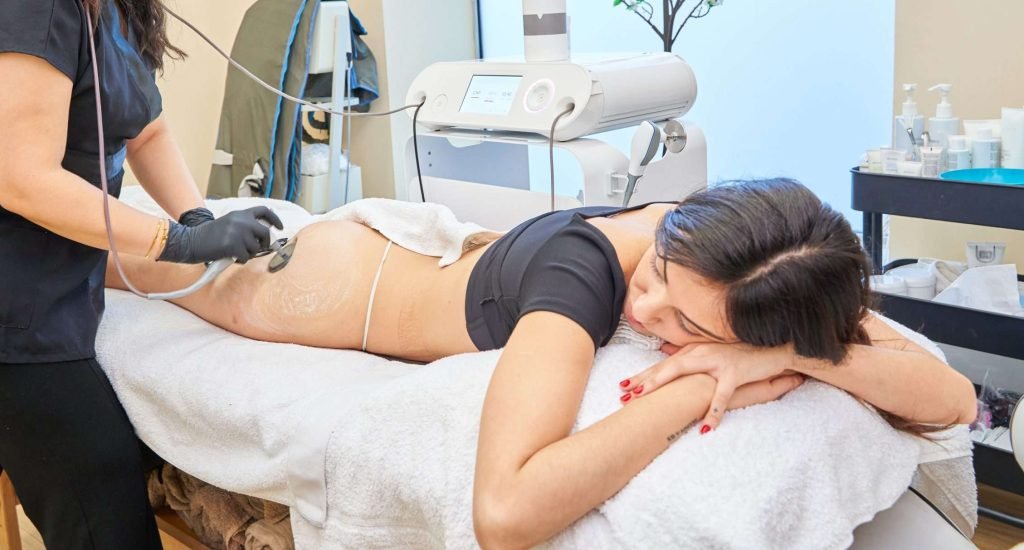
A butt lift procedure continues to grow in popularity among individuals seeking improved body shape and enhanced contour. One commonly searched option is Brazilian butt lift utah, which uses fat transfer techniques to increase volume and improve projection. Despite appealing cosmetic results, this procedure involves real medical risks that should not be ignored. Surgical decisions require a full understanding of complications, recovery demands, and safety factors. Awareness of possible outcomes helps patients make informed choices and prepares them for both the benefits and limitations of surgery.
Butt Lift Procedures
A butt lift procedure focuses on reshaping and enhancing the buttocks through surgical lifting or fat transfer methods. The goal is to create better proportion between the lower and upper body while improving symmetry. Traditional surgical lifts remove excess skin, while fat transfer techniques use liposuction to collect fat from other areas before reinjection. Each method requires careful planning based on anatomy, skin elasticity, and overall health. The chosen approach directly affects recovery time, surgical risk, and long-term aesthetic results.
Common Types of Butt Lift Procedures
Different techniques are used depending on patient goals and body structure. A traditional butt lift removes sagging skin and tightens surrounding tissue for a firmer appearance. Fat transfer procedures, often called BBL, involve liposuction followed by fat injection into the buttocks. Non-surgical enhancements use fillers or devices for temporary volume improvement. Combination procedures may include contouring multiple body areas for balanced results. Each option carries a different risk level, and careful evaluation helps determine the safest and most effective approach for each patient.
Key Risks Associated With Butt Lift Surgery
Butt lift surgery involves several potential risks ranging from mild to severe. Infection can occur at incision or injection sites and may require medical treatment. Bleeding or hematoma formation may develop during early recovery stages. Fat embolism is a rare but serious complication that can affect the lungs or bloodstream. Additional risks include uneven results, poor wound healing, scarring, skin discoloration, and fluid buildup. These complications depend on surgical technique, patient health, and adherence to post-operative care instructions.
Fat Embolism and Serious Complications
Fat embolism remains one of the most serious risks linked to fat transfer procedures. It occurs when fat enters the bloodstream and blocks blood vessels, potentially affecting vital organs. Although rare, it can lead to life-threatening complications if not treated immediately. Other serious concerns include tissue death, severe infection, and long-term asymmetry requiring revision surgery. Skilled surgical technique significantly reduces these risks, but they cannot be eliminated entirely. Understanding these possibilities helps patients take informed precautions before undergoing surgery.
Factors That Increase Surgical Risk
Certain health and lifestyle factors increase the likelihood of complications. Smoking reduces oxygen flow and slows healing, while obesity places added stress on the body during recovery. Conditions such as diabetes or poor circulation also raise infection risk. Previous surgeries in the same area may affect tissue response and healing quality. Choosing unqualified providers or low-standard facilities significantly increases danger. Failure to follow recovery instructions can further complicate outcomes. Proper medical evaluation is essential to reduce avoidable risks before surgery.
Recovery Challenges After Butt Lift Surgery
Recovery requires time, care, and strict adherence to medical instructions. Swelling, bruising, and soreness are common during the first few weeks. Sitting directly on the buttocks is often restricted to protect healing tissues and fat survival in transfer procedures. Compression garments help reduce swelling and support tissue positioning. Limited physical activity may affect daily routines and work schedules. Emotional changes may occur as early results fluctuate due to swelling. Full recovery often takes several weeks to months before final results stabilize.
How Surgeons Reduce Complications
Experienced surgeons follow strict safety protocols to minimize risks. Pre-surgical evaluations assess overall health, medical history, and suitability for the procedure. Sterile environments reduce infection risk during surgery. Advanced fat placement techniques improve precision and reduce vascular complications. Careful planning ensures balanced results and reduces asymmetry. Post-operative instructions guide patients through recovery and prevent avoidable issues. Regular follow-up visits allow early detection of complications. Choosing a board-certified surgeon remains one of the most effective ways to improve safety and outcomes.
Warning Signs of Post-Surgery Problems
Monitoring recovery closely helps identify complications early. Severe or increasing pain that does not improve may indicate infection or internal issues. High fever, chills, or unusual drainage from incision sites should be evaluated immediately. Sudden shortness of breath or chest discomfort requires urgent medical attention. Excessive swelling in one area or skin color changes may signal poor circulation or fat-related complications. Fluid buildup or hard lumps under the skin also require medical review. Early treatment reduces long-term risks and improves recovery outcomes.
Safety Tips Before Choosing Surgery
Proper preparation improves safety and surgical success. Reviewing surgeon credentials and experience helps ensure qualified care. Before-and-after results provide insight into expected outcomes and surgical skill. Medical clearance confirms readiness for anesthesia and surgery. Maintaining stable weight and avoiding smoking supports better healing. Detailed consultations help clarify risks, benefits, and recovery expectations. Following pre-operative instructions carefully reduces complications. Asking questions during consultation helps patients understand the procedure fully and supports informed decision-making before committing to surgery.
Conclusion
A butt lift procedure offers cosmetic enhancement but involves important medical risks that must be understood before surgery. Complications such as infection, fat embolism, and recovery challenges highlight the importance of careful planning. Surgical outcomes depend heavily on patient health, surgeon expertise, and adherence to aftercare instructions. Realistic expectations and informed decision-making improve satisfaction and reduce anxiety during recovery. Choosing a qualified surgeon and following safety guidelines significantly lowers risk and supports better long-term results from butt lift procedures.
