

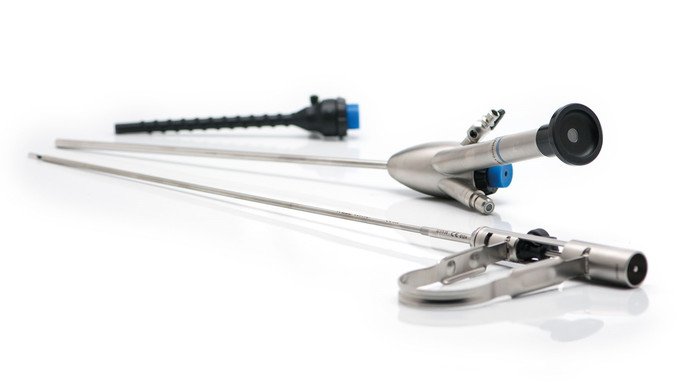
Minimally invasive surgery is a major advancement in modern healthcare that enables surgeons to perform complex procedures through small incisions instead of large open cuts. This approach significantly reduces patient trauma, lowers the risk of infection, and supports faster recovery. The success of this technique depends on advanced surgical technology, especially laparoscopic systems designed for accuracy, safety, and efficiency.
At the core of these procedures are high-performance laparoscopic instruments, which provide surgeons with precise control, enhanced visibility, and improved dexterity. These instruments ensure smoother operations, better surgical outcomes, and greater consistency in minimally invasive procedures across various medical specialties.
Introduction to Minimally Invasive Surgery
Minimally invasive surgery, also known as laparoscopic surgery, uses a small camera and specialized instruments to perform operations inside the body. Instead of opening a large surgical site, surgeons insert a laparoscope and fine instruments through small incisions. The camera projects high-resolution images onto a monitor, allowing surgeons to operate with enhanced visibility.
The success of this technique depends heavily on advanced laparoscopic instruments, which provide the precision and control required in confined surgical spaces. These tools allow surgeons to perform delicate movements without damaging surrounding tissues.
What Are Laparoscopic Instruments
Laparoscopic instruments are long, thin surgical tools designed to be used inside the body through small incisions. They replicate hand movements but offer greater precision due to their specialized structure. Common laparoscopic instruments include graspers, scissors, dissectors, clip appliers, and energy-based devices.
Modern operating rooms rely on advanced laparoscopic instruments to ensure smooth surgical performance. These tools are engineered for durability, accuracy, and ergonomic handling, making them essential for minimally invasive procedures.
As surgical technology evolves, the importance of advanced laparoscopic instruments continues to grow in hospitals and surgical centers worldwide.
Role of Laparoscopic Instruments in Surgery
Laparoscopic instruments are essential for performing a wide range of surgical procedures such as gallbladder removal, hernia repair, appendix surgery, and gastrointestinal operations. They help surgeons access internal organs with minimal disruption to the patient’s body.
The use of advanced laparoscopic instruments enhances surgical precision and reduces complications. These instruments allow surgeons to work in tight spaces while maintaining accuracy and control.
Another key advantage is reduced fatigue for surgeons, as ergonomic designs improve handling during long procedures. The reliability of advanced laparoscopic instruments ensures consistent performance across different surgical cases.
Importance of Energy-Based Devices
One of the most critical innovations in laparoscopic surgery is the development of energy-based surgical tools. These devices help in cutting and sealing tissues simultaneously, improving efficiency and reducing bleeding.
A major example is the laparoscopic vessel sealing device, which is widely used in modern surgical procedures. It uses controlled energy to seal blood vessels safely and effectively, reducing the need for sutures or clips.
The laparoscopic vessel sealing device improves surgical speed and enhances patient safety by minimizing blood loss. Surgeons depend on the laparoscopic vessel sealing device for precise vessel control, especially in complex surgeries involving delicate vascular structures.
Benefits of Laparoscopic Instruments in Surgery
The adoption of laparoscopic instruments has transformed surgical care for both patients and surgeons. Some key benefits include:
- Smaller incisions and reduced scarring
- Faster recovery times for patients
- Lower risk of infection
- Reduced blood loss during surgery
- Improved surgical precision
These benefits are made possible through advanced laparoscopic instruments, which allow surgeons to perform operations with maximum control and minimal tissue damage.
In addition, the laparoscopic vessel sealing device plays a major role in improving safety and efficiency during procedures involving blood vessels.
How Laparoscopic Instruments Improve Surgical Outcomes
Surgical outcomes depend on accuracy, speed, and control. Laparoscopic instruments enhance all three aspects by providing better visibility and precision during operations.
The use of advanced laparoscopic instruments allows surgeons to operate in complex anatomical regions with improved dexterity. These instruments reduce the risk of human error and ensure consistent results.
Similarly, the laparoscopic vessel sealer contributes to better outcomes by ensuring secure vessel closure and reducing intraoperative bleeding. This leads to safer surgeries and faster patient recovery.
Engineering and Quality Standards
The quality of laparoscopic instruments directly affects surgical performance. These tools are manufactured using high-grade materials such as stainless steel and are designed for repeated sterilization and long-term use.
Companies that manufacture and supply medical devices focus on producing precision-engineered surgical tools that meet international quality standards. Their commitment ensures that advanced laparoscopic instruments deliver reliable performance in critical surgical environments.
The development of the laparoscopic vessel sealing device requires advanced technology to maintain controlled energy output and consistent sealing strength. High manufacturing standards ensure the device performs safely during every procedure.
Applications in Modern Healthcare
Laparoscopic surgery is widely used across multiple medical specialties, including general surgery, gynecology, urology, and gastrointestinal surgery. The versatility of laparoscopic instruments makes them essential in modern healthcare systems.
Hospitals rely on advanced laparoscopic instruments for routine and complex surgeries. These instruments improve efficiency in operating rooms and reduce overall healthcare costs by minimizing patient recovery time.
The laparoscopic vessel sealing device is especially useful in surgeries where blood vessel control is critical, making it an indispensable tool in advanced surgical procedures.
Conclusion
Minimally invasive surgery has revolutionized modern healthcare by offering safer, faster, and more efficient surgical procedures. This transformation is made possible through the use of advanced surgical tools that ensure precision and control. High-performance laparoscopic instruments and the laparoscopic vessel sealing device play a vital role in improving surgical outcomes, reducing patient recovery time, and enhancing overall safety. As technology continues to evolve, these instruments will remain essential in shaping the future of surgery.
Delivering precision-focused surgical solutions globally, Salwan Surgicare is a trusted manufacturer and exporter of high-quality laparoscopic and general surgery instruments. The company emphasizes precision engineering, durability, and international quality standards. It offers a wide range of surgical tools for hospitals, clinics, and distributors worldwide. With a strong focus on innovation and reliability, Salwan Surgicare supports healthcare professionals with advanced instruments, ensuring safe, accurate, and efficient surgical performance in modern operating environments.
