

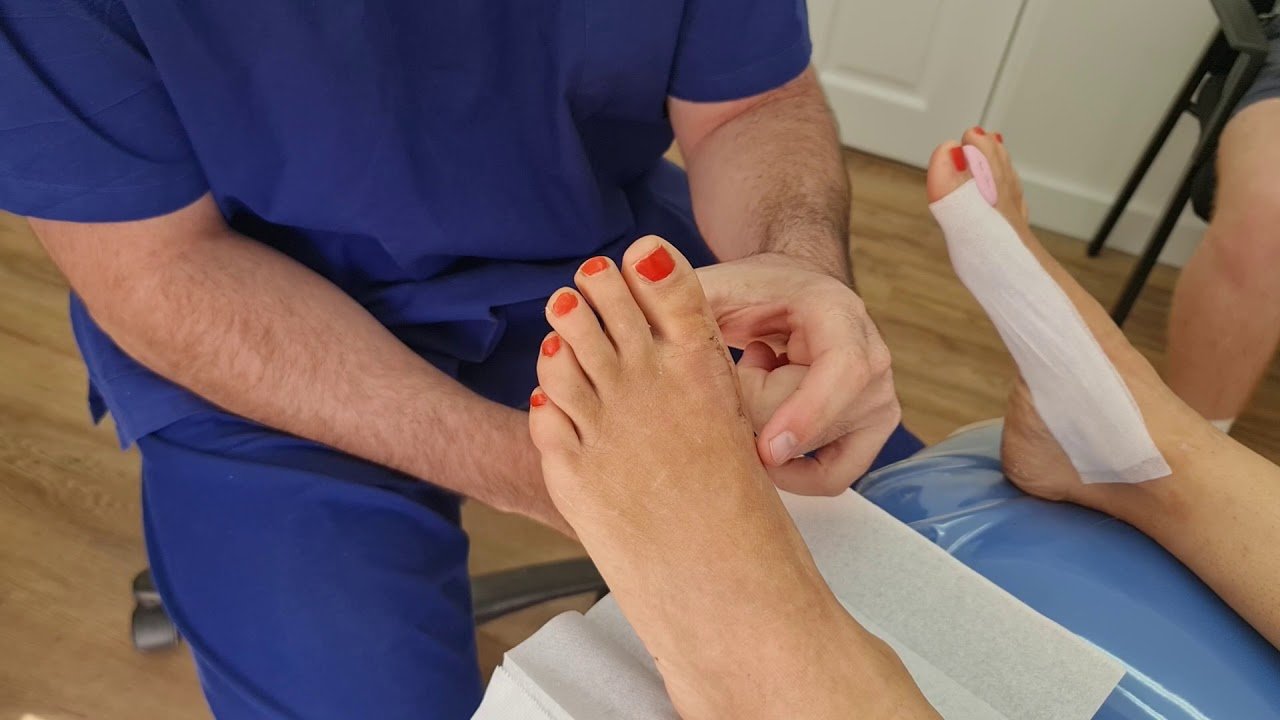
Foot pain can make even the simplest daily activities feel challenging. Among the most common foot conditions affecting adults is a bunion, a progressive deformity that develops at the base of the big toe. Bunions can cause discomfort, swelling, difficulty wearing shoes, and limitations in mobility. If left untreated, they may gradually worsen and significantly affect overall foot function. Fortunately, professional podiatry care can help manage symptoms, improve comfort, and prevent further progression.
Through specialized Footcare services Edinburgh, individuals suffering from bunions can receive expert assessments and personalized treatment plans designed to reduce pain and improve quality of life. Modern podiatry focuses on both symptom relief and addressing the underlying factors contributing to bunion development. With early intervention and professional guidance, many patients can successfully manage their condition and maintain an active lifestyle.
Understanding What a Bunion Is
A bunion, medically known as hallux valgus, occurs when the big toe gradually shifts toward the second toe. As this happens, a bony prominence develops on the side of the foot at the base of the big toe joint. Over time, this misalignment can become increasingly noticeable and painful.
The condition often develops slowly and may initially cause only mild discomfort. However, as the deformity progresses, pressure on the joint increases, leading to inflammation, irritation, and mobility issues.
Professional Footcare services Edinburgh help identify bunions in their early stages and provide treatment strategies that support long-term foot health.
Common Signs of a Bunion
- A visible bump on the side of the foot
- Pain around the big toe joint
- Redness and swelling
- Difficulty fitting into shoes comfortably
- Limited movement of the big toe
- Corns or calluses between the toes
- Increased discomfort during walking
Recognizing these symptoms early allows for more effective treatment and management.
What Causes Bunions?
Several factors can contribute to the development of bunions. While genetics often play a significant role, lifestyle and biomechanical factors can also influence their progression.
Genetics and Foot Structure
Many individuals inherit foot shapes and mechanics that increase the likelihood of developing bunions. If bunions run in your family, your risk may be higher.
Poor Foot Mechanics
Abnormal walking patterns and foot alignment issues can place excessive pressure on the big toe joint over time.
Inappropriate Footwear
Tight, narrow, or high-heeled shoes may contribute to increased pressure on the forefoot and aggravate bunion formation.
Arthritis and Joint Conditions
Certain inflammatory joint conditions can increase the risk of bunion development and progression.
Professional Footcare services Edinburgh include detailed assessments to determine the specific factors contributing to each patient’s condition.
Why Early Treatment Is Important
Many people delay seeking treatment because they assume bunions are only a cosmetic concern. However, untreated bunions can lead to a range of complications.
Potential Problems Associated with Untreated Bunions
Increased Pain
As the deformity progresses, pressure on the joint often increases, causing greater discomfort.
Reduced Mobility
Walking and physical activity may become more difficult due to pain and restricted movement.
Joint Stiffness
Long-term misalignment can reduce flexibility in the big toe joint.
Secondary Foot Problems
Bunions may contribute to calluses, corns, hammertoes, and other foot conditions.
Seeking professional Footcare services Edinburgh early can help slow progression and improve overall foot function.
Comprehensive Assessment by Expert Podiatrists
Every bunion is unique, which is why a detailed evaluation is essential before beginning treatment.
What a Podiatry Assessment May Include
Foot Structure Evaluation
The overall alignment of the foot and toes is carefully examined.
Gait Analysis
Walking patterns are assessed to identify biomechanical issues contributing to joint stress.
Joint Mobility Testing
The flexibility and function of the affected joint are evaluated.
Footwear Assessment
Podiatrists review footwear choices and identify potential contributing factors.
Through professional Footcare services Edinburgh, patients receive a personalized treatment plan based on their specific symptoms, lifestyle, and foot structure.
Non-Surgical Treatments for Bunions
Many bunion cases can be managed effectively without surgery, particularly when diagnosed early.
Custom Orthotics
Orthotics are specially designed shoe inserts that improve foot alignment and redistribute pressure more evenly.
Benefits of Orthotics
- Reduced pressure on the bunion
- Improved walking mechanics
- Better foot support
- Enhanced comfort during daily activities
Orthotic therapy is commonly recommended as part of comprehensive Footcare services Edinburgh.
Footwear Modifications
Choosing appropriate footwear is one of the most important aspects of bunion management.
Recommended Features
- Wide toe boxes
- Good arch support
- Soft upper materials
- Cushioned soles
- Stable heel support
Proper footwear helps minimize pressure on the bunion and improve overall comfort.
Padding and Protective Devices
Protective padding can reduce friction between the bunion and footwear.
Common Benefits
- Reduced irritation
- Less pressure on the joint
- Improved comfort during walking
These simple interventions can provide meaningful relief for many individuals.
Exercise and Rehabilitation for Bunion Management
Targeted exercises can help maintain joint mobility and strengthen the muscles supporting the foot.
Benefits of Foot Exercises
Improved Flexibility
Gentle stretching helps maintain range of motion in the big toe joint.
Better Muscle Function
Strengthening exercises support proper foot mechanics.
Reduced Joint Stiffness
Regular movement helps prevent excessive restriction.
Enhanced Balance
Improved foot strength contributes to greater stability and control.
Professional Footcare services Edinburgh often include customized exercise programs tailored to the patient’s condition and goals.
The Role of Biomechanics in Bunion Treatment
Biomechanics refers to the way the body moves during walking and other activities. Abnormal movement patterns can increase pressure on the big toe joint and accelerate bunion progression.
Common Biomechanical Issues
- Overpronation
- Flat feet
- Uneven weight distribution
- Muscle imbalances
- Postural abnormalities
Through detailed biomechanical analysis, podiatrists can identify these contributing factors and develop strategies to improve foot function.
Modern Footcare services Edinburgh focus on addressing the root causes of bunions rather than simply managing symptoms.
When Surgical Referral May Be Considered
Although many bunions respond well to conservative treatment, some cases may require surgical intervention.
Signs Surgery May Be Recommended
Severe Pain
Persistent discomfort despite conservative treatment.
Significant Deformity
Advanced bunions that interfere with daily function.
Difficulty Walking
Severe limitations in mobility and activity.
Joint Damage
Progressive structural changes affecting foot health.
A podiatrist can assess whether referral for surgical consultation is appropriate while continuing to provide supportive care.
Preventing Bunion Progression
Although bunions cannot always be prevented entirely, several strategies may help slow their progression.
Practical Prevention Tips
Wear Supportive Footwear
Choose shoes with adequate space for the toes.
Address Symptoms Early
Prompt treatment often leads to better outcomes.
Maintain Healthy Foot Mechanics
Follow professional recommendations regarding orthotics and exercises.
Schedule Regular Assessments
Routine monitoring allows for timely intervention when needed.
Professional Footcare services Edinburgh help patients take proactive steps to protect their foot health.
Long-Term Benefits of Professional Podiatry Care
Managing bunions effectively requires ongoing attention to foot function and comfort.
Key Benefits of Professional Care
- Reduced pain and discomfort
- Improved mobility
- Better footwear comfort
- Enhanced foot function
- Slower progression of deformity
- Increased confidence during daily activities
Regular podiatry care helps patients maintain healthier feet and avoid many of the complications associated with untreated bunions.
Why Choose Expert Podiatrists for Bunion Care?
Expert podiatrists have the knowledge and experience needed to assess, diagnose, and manage bunions using evidence-based treatment approaches.
Advantages of Professional Podiatry
- Comprehensive assessments
- Personalized treatment plans
- Advanced biomechanical evaluations
- Preventive care strategies
- Long-term management support
Through professional Footcare services Edinburgh, patients receive individualized care focused on improving comfort, mobility, and overall quality of life.
Final Thoughts
Bunions are a common but often misunderstood foot condition that can significantly affect comfort, mobility, and daily activities. While the condition may progress over time, early intervention and professional podiatry care can make a substantial difference.
With expert Footcare services Edinburgh, patients gain access to comprehensive assessments, customized treatment plans, and ongoing support designed to manage pain and improve foot function. From orthotics and footwear advice to rehabilitation exercises and biomechanical correction, modern podiatry offers effective solutions for bunion care.
